
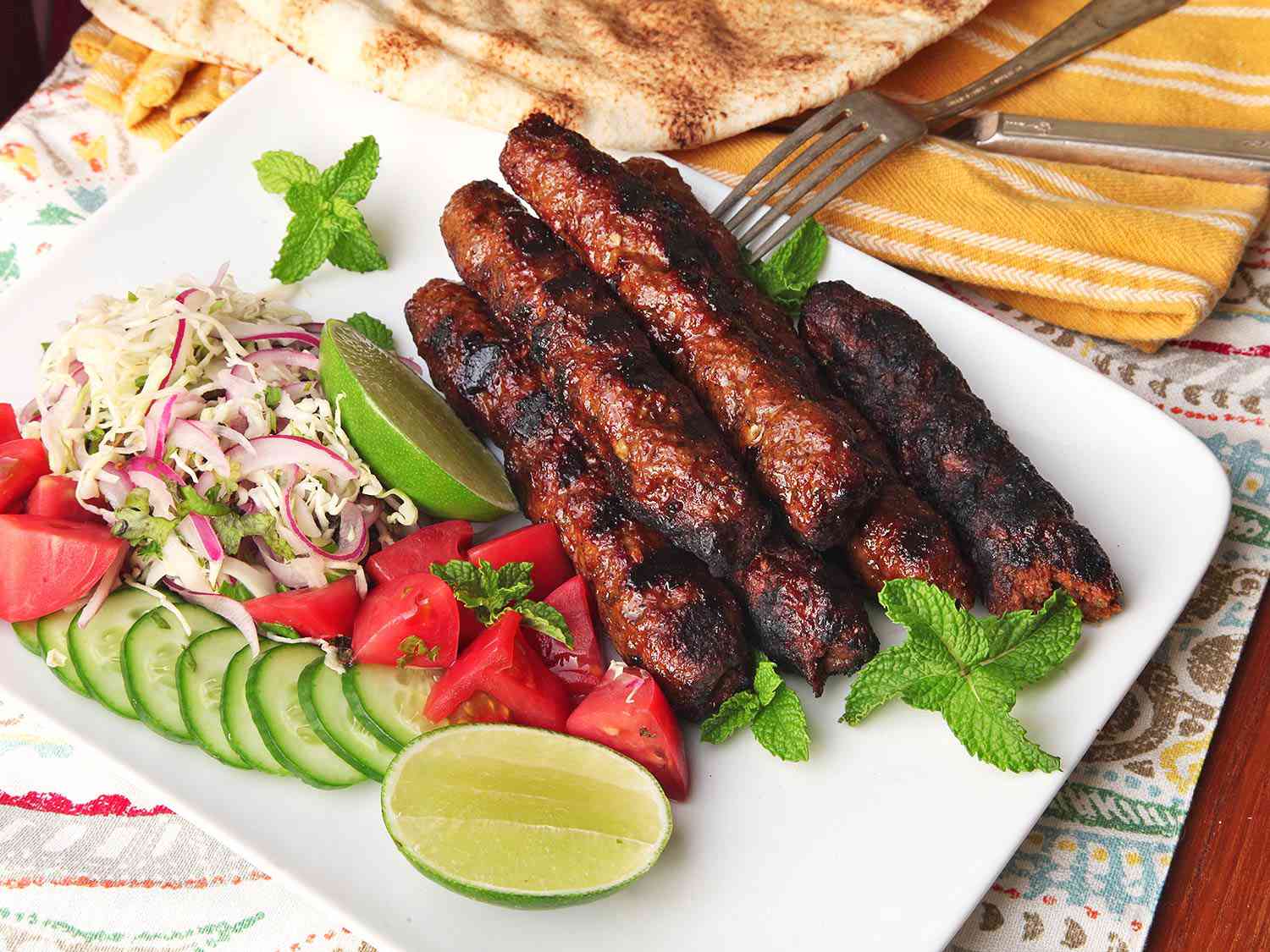
juteralabs.com – Seekh Kebab is a culinary masterpiece that is loved by many for its succulent taste and aromatic spices. Originating from South Asia, these grilled skewers of spiced minced meat have become a staple in Indian, Pakistani, and Middle Eastern cuisines. With their smoky flavor and tender texture, Seekh Kebabs are a favorite at barbecues and festive gatherings. Let’s explore the rich history and preparation of this delightful dish.
The Origins of Seekh Kebab
The history of Seekh Kebab dates back centuries and is believed to have originated in the Mughal kitchens. The influence of Persian and Middle Eastern cooking techniques is evident in the dish, as skewered meats are a common culinary practice in those regions. The Mughals, known for their love of rich and flavorful foods, perfected the art of making Seekh Kebab, which has since been embraced and adapted across various cultures.
Ingredients and Preparation
Seekh Kebab is made from minced meat, which can be lamb, beef, or chicken, mixed with a blend of spices and herbs. Key ingredients include:
- Spices: Cumin, coriander, garam masala, and chili powder, which give the kebabs their distinctive flavor.
- Herbs: Fresh cilantro and mint, adding freshness and aroma to the mix.
- Binders: Finely chopped onions, garlic, ginger, and sometimes breadcrumbs or chickpea flour to hold the mixture together.
The preparation involves mixing these ingredients thoroughly with the minced meat to form a well-seasoned mixture. This mixture is then shaped around skewers and grilled over a charcoal fire or cooked in a tandoor (a traditional clay oven). The grilling process imparts a smoky flavor that enhances the taste of the kebabs, creating a crisp exterior while keeping the inside juicy and tender.
Variations of Seekh Kebab
While the traditional Seekh Kebab is made with meat, there are several variations to suit different tastes and dietary preferences:
- Vegetarian Seekh Kebab: Made with ingredients like paneer, potatoes, and mixed vegetables, offering a delightful alternative for vegetarians.
- Fish Seekh Kebab: Incorporating minced fish for a lighter, seafood version of the classic kebab.
- Spicy Seekh Kebab: For those who enjoy a kick of heat, extra chilies and spices are added to the mixture.
Serving and Enjoyment
Seekh Kebabs are typically served hot with a side of mint chutney or yogurt sauce, which complements the spices and adds a cooling effect. They are often accompanied by naan, roti, or salad, making for a complete and satisfying meal. These kebabs are popular at barbecues, street food stalls, and festive occasions, where their enticing aroma and flavor bring people together.
Conclusion
Seekh Kebab is a testament to the rich culinary heritage of South Asia, combining tradition and flavor in every bite. Its versatility and adaptability have made it a beloved dish across the globe. Whether enjoyed at a family picnic or a gourmet restaurant, Seekh Kebab continues to captivate food enthusiasts with its delectable taste and cultural significance. If you haven’t tried it yet, Seekh Kebab is a must-try for anyone seeking to explore the delicious world of spiced grilled meats.
