
Herring: A Versatile Seafood Delicacy – History of Herring

juteralabs.com – Herring, a small, oily fish, has been a staple food source for centuries, particularly in coastal regions. Its versatility and rich flavor profile have made it a beloved ingredient in cuisines around the world.

A Brief History of Herring

Herring has played a significant role in human history, especially in Northern Europe. Its abundance and nutritional value made it a crucial food source for many communities. In the past, herring fisheries were a major industry, and the fish was often salted, dried, or pickled to preserve it for consumption throughout the year.

Popular Herring Preparations

Herring can be prepared in a variety of ways, each offering a unique flavor and texture:

Pickled Herring:

  • This is one of the most popular ways to prepare herring.
  • The fish is cured in a brine solution and then marinated in a vinegar-based sauce with added spices and herbs like dill, mustard seeds, and black peppercorns.

Marinated Herring:

  • Similar to pickled herring, marinated herring is cured and then soaked in a marinade that can be oil-based or vinegar-based.
  • The marinade often includes ingredients like onions, capers, and herbs.

Smoked Herring:

  • Herring can be hot-smoked or cold-smoked.
    • Hot-smoked herring: This method involves smoking the fish over a wood fire at high temperatures. It results in a tender, smoky flavor.
    • Cold-smoked herring: This method involves smoking the fish at low temperatures for a longer period. It results in a firm, dry texture and a subtle smoky flavor.

Herring in Different Cuisines

Herring is enjoyed in many cultures around the world. Here are a few examples:

  • Scandinavian Cuisine: Herring is a staple in Scandinavian cuisine, particularly in Sweden, Norway, and Denmark. It is often served as a smørrebrød (open-faced sandwich) or as part of a herring buffet.
  • Dutch Cuisine: In the Netherlands, herring is typically served raw, often with onions. It’s a popular street food, especially during the summer months.
  • Jewish Cuisine: Herring is a popular ingredient in Jewish cuisine, particularly in Eastern European Jewish communities. It is often served pickled or marinated with various spices and herbs.

Health Benefits of Herring

Herring is not only delicious but also packed with health benefits. It is a good source of omega-3 fatty acids, which are known to reduce the risk of heart disease and stroke. Herring is also a good source of protein, vitamin D, and selenium.
From Sea to Table: A Seafood Lover’s Delight

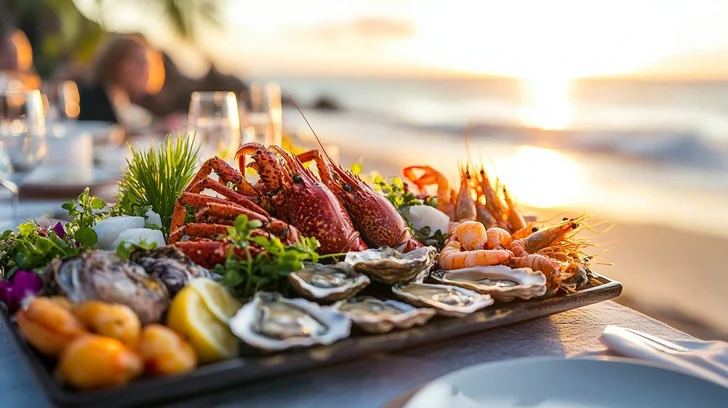
juteralabs.com – Seafood, a gift from the sea, has captivated taste buds and nourished cultures for centuries. With its diverse range of flavors, textures, and nutritional benefits, it’s no wonder that seafood continues to be a beloved culinary choice. In this article, we’ll embark on a gastronomic adventure, exploring the world of seafood and uncovering the secrets to preparing delicious seafood dishes.

The Nutritional Powerhouse

Seafood is a nutritional powerhouse, packed with essential vitamins, minerals, and lean protein. It’s a rich source of omega-3 fatty acids, which are known to promote heart health, brain function, and reduce inflammation. Additionally, seafood provides essential nutrients like iodine, selenium, and vitamin B12, which play crucial roles in various bodily functions.

A Global Culinary Heritage

Seafood has been an integral part of culinary traditions around the world. Here are some of the most popular seafood cuisines:

  • Japanese Cuisine: Renowned for its emphasis on freshness and simplicity, Japanese cuisine offers a wide array of seafood dishes, including sushi, sashimi, and tempura.
  • Mediterranean Cuisine: Mediterranean cuisine celebrates the bounty of the sea, incorporating fresh fish, shellfish, and seafood stews into its dishes.
  • Southeast Asian Cuisine: Southeast Asian cuisine is known for its bold flavors and diverse seafood offerings. From Thai curries to Vietnamese pho and Indonesian satay, seafood is a key ingredient in many regional dishes.
  • American Cuisine: American cuisine offers a diverse range of seafood dishes, from classic clam chowder and lobster rolls to modern fusion cuisine.

Tips for Cooking Seafood

To make the most of your seafood experience, consider these tips:

  • Freshness is Key: Always choose fresh seafood with a pleasant smell and vibrant appearance.
  • Gentle Cooking Methods: Opt for gentle cooking methods like grilling, broiling, or steaming to preserve the delicate flavor and texture of seafood.
  • Seasoning with Care: Use simple seasonings like salt, pepper, lemon juice, and herbs to enhance the natural flavors of seafood.
  • Proper Storage: Store seafood properly to maintain its freshness. Refrigerate fresh fish and shellfish and freeze them if you plan to store them for longer periods.

Seafood Safety

To ensure food safety, it’s essential to handle and prepare seafood properly:

  • Thorough Cleaning: Clean seafood thoroughly to remove any dirt or impurities.
  • Proper Storage: Store seafood at the correct temperature to prevent bacterial growth.
  • Cooking to Safe Temperatures: Cook seafood to the appropriate internal temperature to kill harmful bacteria.

By following these tips and exploring the diverse world of seafood, you can enjoy delicious and nutritious meals that are both satisfying and healthy.