
juteralabs.com – When it comes to choosing the right cardio machine for your workout routine, the elliptical and treadmill are two of the most popular options. Both machines offer excellent cardiovascular benefits, but they differ significantly in terms of how they work and the types of workouts they provide. Understanding these differences can help you make an informed decision based on your fitness goals, preferences, and any physical limitations you may have. In this article, we’ll compare the elliptical and treadmill, discussing their benefits, drawbacks, and key features to help you decide which machine is right for you.
The Basics: What Is an Elliptical and What Is a Treadmill?
What is an Elliptical Machine?
An elliptical trainer is a low-impact cardio machine that simulates the motion of walking, running, and stair climbing. Most ellipticals come with movable handlebars, which engage the upper body as you pedal, creating a full-body workout. The machine’s pedals move in an elliptical (oval) path, which reduces the stress on your joints compared to high-impact exercises like running.
Many modern ellipticals also offer adjustable resistance and incline options, allowing you to target different muscle groups and customize the intensity of your workout.
What is a Treadmill?
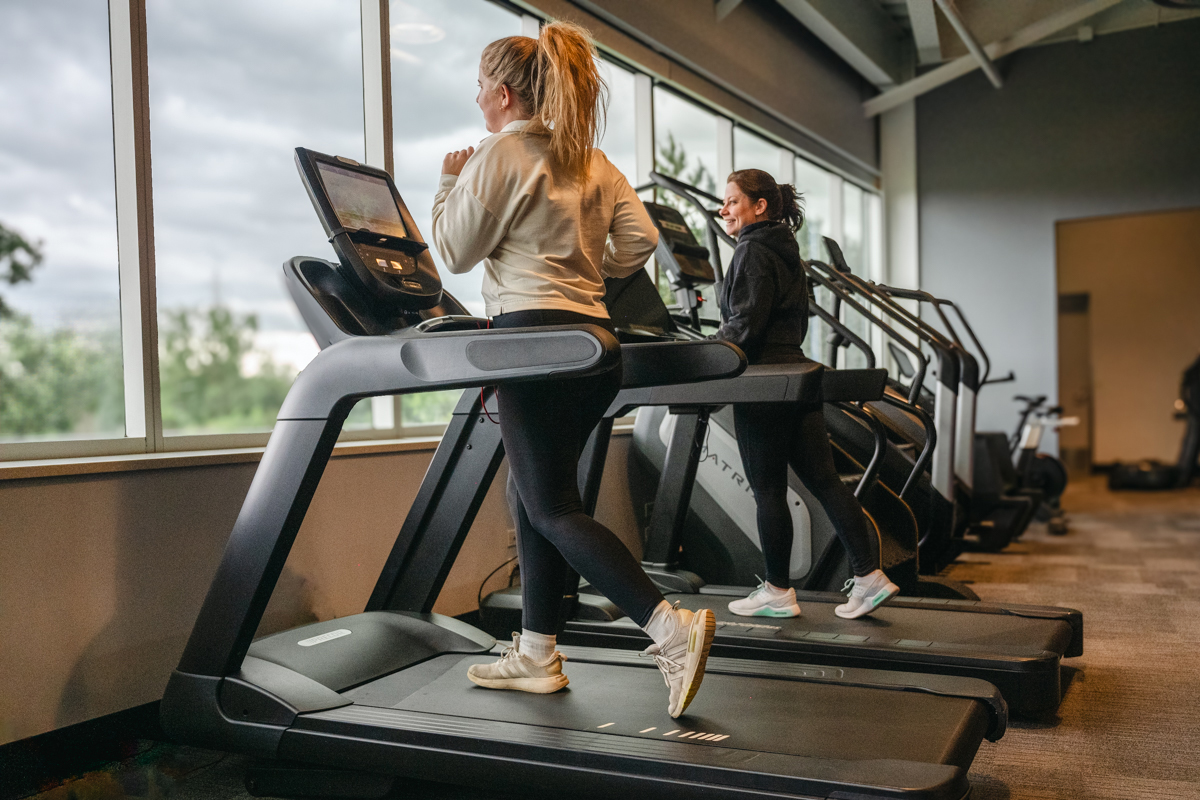
A treadmill is a cardio machine that simulates walking, jogging, or running. It consists of a continuous belt that moves, allowing you to walk or run in place. Treadmills come with various speed settings and incline options, giving you the flexibility to mimic outdoor terrain such as flat ground or hills. Unlike the elliptical, treadmills focus primarily on the lower body, with some models offering handrails to provide additional support.
Key Differences Between Ellipticals and Treadmills
While both ellipticals and treadmills offer great cardio workouts, they operate differently and provide distinct benefits. Let’s take a deeper dive into their key features to help you decide which one suits you best.
1. Impact on Joints: Low-Impact vs. High-Impact
Elliptical: A Low-Impact Workout
One of the most notable benefits of using an elliptical machine is the low-impact nature of the workout. The elliptical’s smooth, fluid motion means that your feet remain in contact with the pedals throughout the entire exercise. This eliminates the pounding effect that occurs with high-impact exercises like running. The result is a lower risk of joint strain, making ellipticals an ideal option for those with joint problems, arthritis, or injuries.
Treadmill: Higher Impact on Joints
In contrast, running on a treadmill can put more stress on your joints, particularly the knees, hips, and ankles. When you run, each foot strike generates a force that travels up your legs, which over time can lead to wear and tear on the joints. While walking on a treadmill is less impactful than running, it still doesn’t provide the same level of joint protection that an elliptical machine offers. For those prone to joint pain or injury, using a treadmill may not be the best choice for long-term, high-frequency use.
2. Muscle Engagement: Full-Body vs. Lower-Body Focus
Elliptical: A Full-Body Workout
The elliptical trainer is unique in that it engages both the upper and lower body. By using the movable handlebars, you actively work your arms, shoulders, chest, and back, in addition to your legs, glutes, and core. This makes the elliptical an excellent full-body workout machine, helping you improve cardiovascular endurance while toning multiple muscle groups at the same time.
Elliptical machines also provide a more dynamic range of motion compared to treadmills, allowing you to target a variety of muscles by adjusting the resistance and incline. For example, increasing the incline can place more emphasis on your glutes and quads, while changing the resistance can provide a tougher challenge for your upper body.
Treadmill: Primarily Lower-Body Focus
On a treadmill, the primary focus is on the lower body. Running or walking on a treadmill works your calves, quads, hamstrings, and glutes. Some treadmills also come with handles for upper-body support, but these do not provide the same level of upper-body engagement that the elliptical does. Additionally, running uphill on a treadmill can help activate the glutes and hamstrings, but it still won’t target the arms or shoulders like the elliptical.
For people looking for a full-body workout, the treadmill is not as comprehensive as the elliptical. However, if your goal is to improve your lower body strength, stamina, or running speed, the treadmill can be highly effective.
3. Cardiovascular Benefits: Both Offer Great Cardio
Elliptical: Heart Health with Low Impact
Using an elliptical trainer is a fantastic way to improve your cardiovascular health. The ability to adjust both the resistance and incline settings allows you to vary your workout intensity, making it easier to engage in interval training or sustained cardio sessions. Additionally, the low-impact nature of the elliptical means that it’s easier on your heart and lungs, allowing for longer sessions with less risk of overexertion or injury.
Treadmill: Intense Cardio with Higher Impact
A treadmill provides a great cardio workout, particularly if you’re running or doing interval training with speed bursts and incline variations. Running on a treadmill challenges the cardiovascular system and helps improve heart health, endurance, and stamina. The drawback, however, is the higher impact on your joints, which could potentially limit the length of your workouts over time.
4. Weight Loss and Calorie Burn: Which Machine Helps You Burn More Calories?
Elliptical: Higher Calorie Burn, Less Strain
The elliptical trainer’s ability to engage both the upper and lower body contributes to a higher calorie burn compared to treadmills, particularly when you increase the resistance or incline. Studies show that elliptical machines can burn up to 30% more calories than walking on a treadmill due to the full-body engagement.
Because the elliptical is low-impact, it also allows you to perform longer workouts with less risk of injury, which may lead to increased calorie expenditure over time.
Treadmill: Effective for Weight Loss, but More Impact
While the treadmill is excellent for burning calories, especially with high-intensity interval training (HIIT), the impact from running can sometimes limit workout duration. If you’re running at high speeds or on an incline, you’re likely to tire faster compared to the low-impact nature of the elliptical. However, if running is your preferred cardio exercise, you can still burn significant calories, especially if you alternate between running and walking intervals or use incline training.
5. Convenience and Versatility: Which is Easier to Use?
Elliptical: More Adjustable for Different Fitness Levels
Elliptical trainers are generally more adjustable than treadmills in terms of resistance, incline, and intensity. Most models allow you to control resistance with the touch of a button, while you can also change the incline to increase the intensity of your workout. This makes ellipticals versatile for people of all fitness levels, from beginners to advanced athletes. Whether you want a moderate workout or a challenging session, the elliptical can accommodate your needs.
Treadmill: Simplicity and Convenience
Treadmills, on the other hand, are known for their simplicity and straightforward use. You can easily adjust the speed and incline with the press of a button. While they are great for walking or running, treadmills don’t offer as much variation in terms of workout intensity compared to ellipticals. However, they are a convenient option for people who enjoy running or walking and want to mimic outdoor conditions.
6. Space and Noise: Which Machine is Quieter and More Space-Efficient?
Elliptical: Quiet and Space-Saving
Ellipticals are typically quieter than treadmills because they use a low-impact motion that doesn’t involve the thumping of feet hitting the ground. Additionally, many elliptical machines are more compact and space-efficient, making them a better option for smaller spaces. They’re also usually lighter than treadmills, making them easier to move around.
Treadmill: Larger and Noisier
Treadmills tend to be bulkier and louder due to the belt moving during use. The motor noise and the sound of feet hitting the treadmill’s belt can be quite noticeable. Additionally, treadmills require more space, particularly if you want a model with a large running surface or advanced features. If you have a dedicated gym area, space may not be a concern, but for home use, it could be a limiting factor.
Conclusion: Which Cardio Machine Is Right for You?
The decision between an elliptical and a treadmill ultimately comes down to your fitness goals, preferences, and physical condition. Here’s a quick summary of which machine might be the right fit for you:
-
Choose an elliptical if:
- You want a low-impact workout that is gentle on your joints.
- You’re looking for a full-body workout that engages both your upper and lower body.
- You have joint issues or are recovering from an injury.
- You want a more versatile machine with adjustable resistance and incline features.
-
Choose a treadmill if:
- You’re a runner or walker who prefers high-impact workouts to build lower-body strength and endurance.
- You want to simulate outdoor walking or running conditions.
- You don’t mind the impact on your joints or have no existing joint pain or injuries.
- You prefer a straightforward cardio machine that primarily targets the lower body.
Ultimately, both the elliptical and treadmill provide excellent cardiovascular benefits, and the right choice depends on your fitness needs, comfort level, and available space. Whichever machine you choose, consistent use will help you achieve your fitness goals while improving overall health and well-being.