The French Dispatch: Directed by Wes Anderson

juteralabs.com – Wes Anderson, one of the most distinctive voices in contemporary cinema, has long been celebrated for his quirky, meticulously crafted films that blend humor, visual artistry, and emotional complexity. Known for his unique storytelling techniques, precise symmetry in shots, and offbeat characters, Anderson’s films have developed a cult following that appreciates his distinct aesthetic and narrative style. His 2021 film The French Dispatch further cements his reputation as one of modern cinema’s most imaginative directors. A love letter to journalism, art, and the European spirit, The French Dispatch brings together Anderson’s artistic sensibilities with his fascination for history, politics, and human connection.

In this article, we’ll explore Wes Anderson’s journey to The French Dispatch, his directorial vision for the film, the influences that shaped it, and the legacy it leaves in the world of cinema.

Wes Anderson: The Director Behind the Vision

Early Life and Career Beginnings

Wes Anderson was born on May 1, 1969, in Houston, Texas, to an advertising executive father and an archeologist mother. Growing up in a family that valued creativity, Anderson found an early interest in film, particularly in creating short films with his brothers. He studied philosophy at the University of Texas at Austin, where he began experimenting with filmmaking, eventually leading to his first short film, Bottle Rocket (1994), which marked the beginning of his career.

Bottle Rocket was Anderson’s first feature-length film, co-written with his long-time collaborator, Owen Wilson. Though it wasn’t a commercial success, it garnered enough attention to make Anderson a name to watch. This led to Rushmore (1998), a film that marked a significant turning point in his career. With Rushmore, Anderson began to develop the visual style and storytelling techniques that would define his future works—eccentric characters, symmetrical compositions, and a heightened sense of humor.

Following Rushmore, Anderson went on to direct other films that became synonymous with his style, including The Royal Tenenbaums (2001), The Life Aquatic with Steve Zissou (2004), The Darjeeling Limited (2007), and Fantastic Mr. Fox (2009). Each of these films is marked by a distinctive visual approach, precise color palettes, deadpan humor, and whimsical characters. Anderson’s films often explore themes of family, loss, and the absurdity of life, all framed within his signature style.

Anderson’s Signature Style

Wes Anderson’s films are characterized by several hallmarks that have become synonymous with his name:

  1. Visual Symmetry – Anderson is renowned for his meticulous use of symmetry in his shots. His camera often moves in a highly controlled, almost mechanical manner, ensuring that every shot looks perfectly balanced. This sense of order and precision creates a dreamlike, almost surreal atmosphere, heightening the fantastical nature of his narratives.

  2. Color Palettes – Each of Anderson’s films features a carefully curated color palette that influences the mood and tone of the story. His use of vibrant and contrasting colors helps define the aesthetic and draws viewers into his carefully constructed worlds.

  3. Character-Driven Stories – Despite the often whimsical nature of Anderson’s films, they are always deeply rooted in the personal struggles and emotional lives of their characters. Anderson’s characters are often quirky and eccentric, but their journeys reflect universal themes of identity, family, and belonging.

  4. Deadpan Humor and Dialogue – Anderson’s films are known for their dry, almost theatrical dialogue. The characters speak in a manner that feels stilted yet emotionally poignant, adding to the absurdity and charm of the situations they find themselves in.

  5. An Ensemble Cast – Anderson has a long history of working with a recurring cast of actors, including Bill Murray, Owen Wilson, Tilda Swinton, Jason Schwartzman, and more recently, Frances McDormand and Timothée Chalamet. These actors have come to embody the unique world Anderson creates and often appear in multiple films.

The French Dispatch: A Tribute to Journalism and European Art

Concept and Development

The French Dispatch is a film that serves as a tribute to the world of print journalism, specifically the journalists working for the fictional magazine The French Dispatch in a fictional French city. The film is an anthology, structured as a series of articles, each focusing on different quirky characters, stories, and themes that represent Anderson’s signature combination of humor and melancholy. The stories are framed within the final issue of The French Dispatch, which chronicles the end of an era, much like the end of print journalism itself in the digital age.

Anderson’s inspiration for the film was rooted in his long-standing admiration for European films, particularly those from France, and the notion of the artist’s struggle to create in a turbulent world. As a film that pays homage to French cinema, The French Dispatch is saturated with references to the golden age of French filmmaking, while also offering a satirical commentary on the nature of journalism and the personal sacrifices made in the name of art and storytelling.

The film is structured around the final issue of The French Dispatch magazine, following the lives of its editors and the stories they report on. It weaves multiple narratives together, each with its distinct tone and style. The stories range from a political uprising in a fictional European city to a tale of art and obsession, all told with Anderson’s signature blend of humor, visual flair, and eccentricity.

A Star-Studded Cast

True to Anderson’s tradition, The French Dispatch features an ensemble cast of some of the most talented actors working today. Bill Murray plays the magazine’s editor-in-chief, Arthur Howitzer Jr., while Frances McDormand, Timothée Chalamet, Tilda Swinton, Jeffrey Wright, and many others fill pivotal roles. The film’s star-studded cast is integral to its success, with each actor bringing their own sense of uniqueness to Anderson’s carefully crafted world.

The performances in The French Dispatch are characterized by a blend of dry humor, pathos, and offbeat charm, with actors giving some of their most memorable performances. Anderson’s direction allows them to fully inhabit the quirky, often eccentric characters he’s known for, while also exploring the deeper, emotional themes that lie beneath the surface of his whimsical worlds.

Cinematic Style and Aesthetic

Visually, The French Dispatch is quintessential Anderson. The film is framed with perfect symmetry, and the colors are deliberately saturated, adding to the film’s vibrant yet melancholy tone. Anderson’s camera movements are deliberate and precise, often shifting between wide, stationary shots and close-ups that draw attention to the finer details of the environment.

The use of contrasting visual elements is also significant. Anderson uses black-and-white film for some sequences, paying homage to the classic era of French cinema, while other segments are shot in full, rich color, highlighting the contrast between the two modes of storytelling. Each vignette is a visual feast, with Anderson’s meticulous production design creating a world that feels both lived-in and stylized. The magazine office itself is a work of art, and each location is as carefully constructed as a stage set.

A Meditation on Journalism and Art

At its core, The French Dispatch is a meditation on the role of journalism in a rapidly changing world. The fictional magazine it centers on is a stand-in for real-world publications that once played a significant role in shaping public opinion. Through Anderson’s lens, journalism is portrayed not just as a profession, but as an art form that requires sacrifice, passion, and a deep sense of responsibility.

The film also explores the idea of legacy—how individuals and institutions attempt to preserve their identity in the face of change. The characters in The French Dispatch grapple with the notion of what it means to create art or to tell a story when the world around them is evolving at a rapid pace.

The Impact and Legacy of The French Dispatch

Reception and Criticism

Upon its release, The French Dispatch received widespread acclaim for its visual artistry, direction, and performances. Critics praised Anderson’s ability to blend humor with deeper themes, as well as his knack for creating intricate, visually stunning worlds that feel like a living painting. However, some critics found the anthology structure to be a bit disjointed and challenging to follow, as each vignette has its own tone and rhythm.

Despite these mixed reviews, the film was a success both commercially and critically, and it cemented Anderson’s place as one of the most imaginative filmmakers of his generation. The film also garnered numerous award nominations, further cementing Anderson’s reputation as a director with a keen understanding of both artistry and storytelling.

Wes Anderson’s Cinematic Legacy

The French Dispatch further solidifies Anderson’s place in the cinematic pantheon, marking another in a long line of films that showcase his ability to combine whimsical narratives with a deep emotional undercurrent. As a director who continues to evolve, Anderson’s distinctive style remains intact while adapting to the changing tides of the film industry. His work continues to inspire filmmakers and audiences alike, as his films speak to the power of art, storytelling, and the human experience.

In conclusion, The French Dispatch stands as a testament to Wes Anderson’s unique ability to blend the personal with the absurd, creating worlds that are as meticulously crafted as they are emotionally resonant. Whether through his visually stunning compositions or the quirky, lovable characters at the heart of his stories, Anderson’s films remind us that there is beauty in both the mundane and the extraordinary. As the director continues to shape the future of cinema, The French Dispatch is yet another chapter in his growing legacy as one of the most original voices in filmmaking today.

The Grinch (2018): A New Take on a Classic Holiday Tale

juteralabs.com – The story of the Grinch and his heartwarming transformation has been a staple of holiday traditions for generations. In 2018, Illumination Entertainment, the studio behind popular animated films like Despicable Me, The Secret Life of Pets, and Sing, brought Dr. Seuss’ iconic character to the big screen once again with a fresh, vibrant, and modernized version in The Grinch (2018). Directed by Yarrow Cheney and Scott Mosier, this adaptation aimed to introduce the classic story to a new generation while paying homage to the beloved source material.

With stunning animation, a star-studded voice cast, and a reimagined take on the Grinch’s tale, The Grinch (2018) quickly became a hit with audiences, breathing new life into the classic Christmas story. This article will explore the plot, characters, themes, animation, and reception of the film, examining how The Grinch (2018) successfully captured the spirit of the original while offering its own unique charm.

Plot Overview: The Grinch’s Quest to Steal Christmas

The story of The Grinch (2018) remains faithful to Dr. Seuss’ original 1957 book, How the Grinch Stole Christmas! It follows the Grinch (voiced by Benedict Cumberbatch), a bitter and lonely creature who lives in isolation atop Mount Crumpit, overlooking the joyful town of Whoville. The Whos, a cheery and festive people, adore Christmas and spend the entire season preparing for the big holiday with decorations, caroling, and celebrations.

However, for the Grinch, Christmas is the most detestable time of year. His hatred for the holiday stems from his own deep-seated loneliness and a past filled with painful memories. While the Whos prepare for the most extravagant Christmas celebration yet, the Grinch plots to put an end to the merriment by stealing Christmas altogether.

With the help of his loyal dog, Max, the Grinch disguises himself as Santa Claus and embarks on a daring mission to steal every Christmas gift, decoration, and meal from the homes of Whoville. However, his grand scheme is challenged by the innocence and kindness of Cindy Lou Who (voiced by Cameron Seely), a young girl who hopes to meet Santa Claus to ask for a special gift for her overworked mother, Donna Lou Who (voiced by Rashida Jones).

As the Grinch’s plan unfolds, he soon discovers that Christmas is about more than presents and decorations—it’s about love, community, and the joy of togetherness. In the end, the Grinch’s heart grows three sizes, and he learns to embrace the true meaning of Christmas, joining the Whos in their celebration.

Key Characters: Familiar Faces with Fresh Twists

The Grinch – A Complex and Relatable Anti-Hero

In this version of The Grinch, the character is more than just a mean-spirited creature bent on ruining Christmas. While the Grinch is still grouchy and bitter, the 2018 film gives him a deeper backstory, making him a more sympathetic figure. Voiced by Benedict Cumberbatch, the Grinch’s motivations for stealing Christmas are rooted in his feelings of loneliness and his longing for connection.

The film portrays the Grinch as a character who is not inherently evil but rather misunderstood. His disdain for Christmas comes from the fact that, as a child, he never experienced the joy and warmth of the holiday. Living in isolation on Mount Crumpit, with only his dog Max for companionship, the Grinch’s heartache and loneliness are palpable. This version of the Grinch is not just a villain—he’s a character who is searching for belonging but doesn’t know how to reach out.

Benedict Cumberbatch’s voice performance adds nuance to the Grinch’s character, combining grumpiness with vulnerability and humor. His portrayal makes the Grinch more relatable to modern audiences, as he is a character who has built emotional walls to protect himself from hurt.

Max – The Grinch’s Loyal Companion

Max, the Grinch’s faithful dog, plays a prominent role in the 2018 film, providing both comedic relief and emotional support for the Grinch. Unlike earlier versions of the story, Max is more than just a sidekick—he’s a crucial part of the Grinch’s life, offering companionship and loyalty to his master despite the Grinch’s grumpy demeanor.

The film portrays Max as clever and resourceful, often helping the Grinch with his various schemes while also serving as a source of warmth and affection. Max’s playful antics and unwavering devotion to the Grinch provide some of the film’s most heartwarming moments, highlighting the strong bond between the two characters.

Cindy Lou Who – The Heart of Whoville

Cindy Lou Who, the innocent and kind-hearted girl from Dr. Seuss’ original story, is given a more substantial role in the 2018 adaptation. Voiced by Cameron Seely, Cindy Lou is depicted as a curious and compassionate young girl who is determined to meet Santa Claus, not to ask for gifts for herself, but to request help for her hardworking mother, Donna Lou Who.

Cindy Lou’s character represents the true spirit of Christmas—selflessness, generosity, and love for others. Her interactions with the Grinch ultimately challenge his perception of Christmas and play a key role in his transformation. Cindy Lou’s innocence and sincerity serve as a counterbalance to the Grinch’s cynicism, and her unwavering belief in the goodness of others helps soften the Grinch’s heart.

Donna Lou Who – A New Addition to the Story

One of the new characters introduced in The Grinch (2018) is Donna Lou Who, Cindy Lou’s mother, voiced by Rashida Jones. Donna is a single mother who works tirelessly to take care of her children, and Cindy Lou’s desire to help her mother serves as the emotional backbone of the film.

Donna’s character adds depth to Cindy Lou’s motivations, showing that Christmas is not just about receiving gifts but also about recognizing the hard work and sacrifices made by loved ones. Donna’s story resonates with modern audiences, highlighting the challenges faced by single parents during the holiday season.

Fred – The Lovable Reindeer

In The Grinch (2018), the Grinch enlists the help of a new character, Fred, a large and lovable reindeer who is recruited to pull the Grinch’s sleigh during his plan to steal Christmas. Fred is a humorous addition to the cast, with his goofy demeanor and gentle nature providing plenty of laughs.

Fred’s interactions with Max also create some charming moments of animal friendship, adding a layer of warmth to the film’s comedic elements. Though Fred doesn’t stick around for the entirety of the Grinch’s heist, his brief appearance adds to the lighthearted and family-friendly tone of the movie.

Themes: The Spirit of Christmas and the Power of Community

Loneliness and Isolation

One of the central themes of The Grinch (2018) is the impact of loneliness and isolation on the Grinch’s character. Living alone in a cave on Mount Crumpit, the Grinch has distanced himself from the community of Whoville, believing that he doesn’t belong among the cheerful and festive Whos. His disdain for Christmas stems from his own feelings of exclusion and his inability to experience the warmth and togetherness that the holiday represents.

As the film progresses, it becomes clear that the Grinch’s bitterness is a defense mechanism to protect himself from the pain of loneliness. The film portrays his journey as one of emotional healing, as he learns to open his heart and allow others into his life. In the end, the Grinch’s redemption comes not from stealing Christmas, but from realizing that he doesn’t have to be alone.

The True Meaning of Christmas

At its core, The Grinch (2018) carries the timeless message of Dr. Seuss’ original story: Christmas is not about material possessions or decorations, but about love, kindness, and the joy of being together with family and friends. This message is embodied by Cindy Lou Who, whose selflessness and concern for her mother stand in stark contrast to the Grinch’s initial selfishness.

Through his interactions with Cindy Lou and the Whos, the Grinch comes to understand that the true meaning of Christmas lies in the connections we share with others. His realization that Christmas “doesn’t come from a store” is the emotional turning point of the film, leading to his transformation from a bitter loner to a valued member of the Whoville community.

Forgiveness and Redemption

Another important theme in The Grinch (2018) is the idea of forgiveness and redemption. The Whos, particularly Cindy Lou, demonstrate kindness and forgiveness toward the Grinch, even after he steals their Christmas decorations and gifts. Instead of harboring resentment, the Whos welcome the Grinch into their celebration, showing him that it’s never too late to change.

The Grinch’s redemption arc is a powerful reminder that people can grow and change, no matter how deeply entrenched their bitterness or anger may be. By the end of the film, the Grinch’s heart has metaphorically grown three sizes, and he learns that he is capable of love and joy just like the rest of the Whos.

Animation: A Vibrant and Lush Visual Experience

One of the standout elements of The Grinch (2018) is its breathtaking animation. Illumination Entertainment is known for its colorful and detailed animation style, and The Grinch is no exception. The film’s visual design is vibrant and whimsical, capturing the charm and imagination of Dr. Seuss’ original illustrations while adding modern flair.

The town of Whoville is brought to life with stunning detail, featuring snowy landscapes, festive decorations, and lively inhabitants. The contrast between the warm, bustling town of Whoville and the cold, isolated cave of the Grinch highlights the film’s themes of loneliness and community. The animation is filled with small, charming details, from the intricate Christmas lights to the expressions on the faces of the Whos.

The Grinch’s character design in the 2018 film strikes a balance between the traditional look of the character and a more modern, approachable aesthetic. While the Grinch is still furry and green, his design is softer and less menacing than in previous adaptations, making him more relatable to younger audiences.

The film also uses vibrant color palettes to convey emotion, with the bright, warm hues of Whoville contrasting with the cooler, darker tones of the Grinch’s cave. This visual storytelling enhances the emotional impact of the Grinch’s journey, from isolation to connection.

Music: A Modern Holiday Soundtrack

The soundtrack of The Grinch (2018) features a mix of classic holiday tunes and modern songs that appeal to contemporary audiences. The film’s score, composed by Danny Elfman, complements the whimsical and heartwarming tone of the story, adding a sense of magic and wonder to the Grinch’s journey.

In addition to the original score, the film features a new rendition of the iconic song “You’re a Mean One, Mr. Grinch,” performed by rapper Tyler, the Creator. This updated version of the classic song gives it a fresh, modern twist, blending hip-hop elements with the playful lyrics that fans of the original will recognize.

The film’s soundtrack also includes other festive songs that help set the holiday mood, making The Grinch a perfect movie to watch during the Christmas season.

Puss in Boots: Swashbuckling Spin-Off of Shrek’s Feline Hero

juteralabs.com – Puss in Boots (2011) is a highly anticipated spin-off film that takes the beloved character from the Shrek franchise and gives him his own adventure. Directed by Chris Miller and produced by DreamWorks Animation, the film offers a fresh perspective on the charming and charismatic feline hero known for his big eyes, rapier wit, and swashbuckling antics. This animated adventure tells the backstory of Puss (voiced by Antonio Banderas), exploring his origins before his introduction in the Shrek films, as well as his quest to find honor and redemption.

Since its release, Puss in Boots has become a fan-favorite, offering a delightful blend of humor, action, and heart. The film was praised for its engaging storyline, colorful animation, and memorable characters. With a star-studded cast and a captivating narrative, Puss in Boots stands out as an entertaining standalone film while adding depth to a character that audiences had already fallen in love with in Shrek 2 (2004) and subsequent films. In this article, we’ll take a closer look at the film’s plot, characters, themes, reception, and legacy, all of which contribute to the success of this animated gem.

Plot Overview: Puss’s Journey to Redemption

A Hero’s Backstory

The story of Puss in Boots centers on the titular character, who embarks on a journey to redeem himself and prove his worth. While Puss is a familiar face from the Shrek series, this film gives audiences insight into his past and motivations. The film begins with Puss as a young kitten in a small village, where he is raised in an orphanage after being abandoned. He quickly gains a reputation as a lovable but mischievous cat with a big heart and a fearless spirit.

However, Puss’s adventurous nature leads him down a darker path. As an adult, he becomes a skilled swordsman but is also known for being somewhat of a rogue. He forms a partnership with Humpty Dumpty (voiced by Zach Galifianakis), a childhood friend from the orphanage, and the two embark on a plan to steal the golden goose, which holds the promise of great wealth and power.

Puss and Humpty team up with Kitty Softpaws (voiced by Salma Hayek), a cunning and agile cat who is also after the golden goose. As the trio sets off on their mission, they must outwit the notorious crime duo of Jack and Jill (voiced by Billy Bob Thornton and Amy Sedaris), who are after the same prize. Along the way, Puss grapples with his past mistakes, questions his loyalties, and ultimately learns valuable lessons about redemption, friendship, and trust.

Puss’s Quest for Honor

Throughout the film, Puss is forced to confront his own flaws and shortcomings. While he initially comes across as a charming and fearless swashbuckler, he struggles with a deep sense of guilt over his past actions, particularly his betrayal of Humpty Dumpty. Their friendship, which was once based on mutual dreams and ambitions, is tested when Puss learns that Humpty’s motivations may not be as noble as he once thought.

The film explores themes of forgiveness, trust, and redemption as Puss tries to make amends for his past mistakes and prove that he is more than just a rogue. His relationship with Humpty, who harbors his own grievances, becomes a central emotional arc in the story, showing that even the most seemingly irredeemable characters have the potential for growth and change.

In the end, Puss’s journey is not just about stealing the golden goose or outsmarting his enemies—it is about finding honor in his actions and learning to be a better version of himself. This growth makes Puss a more complex and compelling character, one who has evolved from the cheeky feline sidekick of Shrek to a hero in his own right.

Main Characters

Puss in Boots

Puss in Boots, voiced by Antonio Banderas, is the charming and heroic feline at the heart of the film. Known for his iconic look—his large eyes, boots, and hat—Puss is a swashbuckling adventurer with a knack for getting out of tight situations. However, this film takes a deeper dive into his character, exploring his past and motivations.

Though Puss exudes confidence and bravado, he is also deeply flawed. He struggles with feelings of guilt over past actions, particularly his strained relationship with Humpty Dumpty. Puss’s character arc in the film focuses on his journey toward redemption and the realization that heroism is not just about bravado, but about making the right choices for the sake of others.

Kitty Softpaws

Kitty Softpaws, voiced by Salma Hayek, is a cunning and skilled cat who joins forces with Puss on his quest for the golden goose. Initially, she is portrayed as a tough, independent character with her own hidden agenda. However, over the course of the film, Kitty’s loyalty to Puss becomes clear, and her bond with him evolves from one of mutual benefit to one of genuine friendship.

Kitty’s physical agility, intelligence, and street smarts make her a valuable ally to Puss, and her dynamic with him provides both comedic moments and emotional depth. Her character is not just a love interest but an important part of Puss’s journey, showing that even a swashbuckling hero like Puss needs the support of others to succeed.

Humpty Dumpty

Humpty Dumpty, voiced by Zach Galifianakis, is Puss’s childhood friend and one of the central figures in the film. While Humpty initially appears to be a lovable and somewhat quirky character, his motivations are far more complex. He harbors deep resentment and jealousy toward Puss, believing that the cat’s success and fame overshadow his own life.

Humpty’s character arc is key to the film’s exploration of redemption and forgiveness. His actions drive much of the plot, as he manipulates those around him to achieve his goal of stealing the golden goose. Despite his villainous behavior, Humpty’s eventual redemption shows that even those who have made mistakes can seek forgiveness and change.

Jack and Jill

Jack and Jill, voiced by Billy Bob Thornton and Amy Sedaris, are the film’s primary antagonists. The criminal duo is after the golden goose and is willing to go to any lengths to get it. While they are depicted as somewhat comical, they are also dangerous, and their pursuit of the golden goose serves as a driving force in the plot.

Jack and Jill’s rivalry with Puss and his team adds excitement and tension to the story, providing both humor and action. They represent the type of characters Puss must face in his journey toward redemption—greedy, unscrupulous, and willing to betray others for their own gain.

Themes: Redemption, Friendship, and Trust

Redemption and Forgiveness

At the core of Puss in Boots is the theme of redemption. Puss, despite his charm and heroism, has a past filled with mistakes and betrayals, particularly his betrayal of Humpty Dumpty. Throughout the film, Puss wrestles with his guilt and seeks a path to redemption by proving his worth not just through heroics but through the choices he makes for the good of others. This theme of redemption is deeply tied to forgiveness, both forgiving others and seeking forgiveness for one’s own actions.

Humpty’s arc also mirrors this theme, as he grapples with his own feelings of inadequacy and jealousy. Ultimately, the film demonstrates that redemption is possible for anyone, regardless of their past, as long as they are willing to make the right choices.

Friendship and Loyalty

Another important theme in Puss in Boots is the power of friendship and loyalty. Puss’s relationship with Humpty, which begins in childhood and is tested throughout the film, explores how loyalty can be strained but also repaired through understanding and trust. Kitty Softpaws’s relationship with Puss also emphasizes the importance of companionship and support in overcoming challenges.

The film shows that true friendship is not just about sticking together through good times, but about standing by each other through difficult circumstances, facing the truth, and ultimately helping each other become better.

Trust and Betrayal

The themes of trust and betrayal play out not only between Puss and Humpty, but also between Puss and his other allies. Humpty’s betrayal of Puss is the catalyst for much of the film’s conflict, and it forces Puss to reconsider who he can trust. However, as the story progresses, Puss learns that true trust comes not just from being clever, but from being vulnerable and honest with others.

Animation and Visual Style

Puss in Boots boasts impressive animation, utilizing a colorful, stylized approach that brings the whimsical world of fairy tales to life. The film incorporates lush, vivid landscapes and intricate character designs, giving the world an exaggerated and dynamic feel. The action sequences, which feature Puss’s acrobatic swordplay and daring feats, are fluid and engaging, drawing heavily from the swashbuckling genre.

The animation also emphasizes the film’s humor and charm, with the visual language serving as a perfect complement to the characters’ personalities. From Puss’s signature “big eyes” look to the elaborate action sequences, the visual style of Puss in Boots is a key factor in its success as an entertaining, family-friendly film.

Reception and Legacy

Upon its release, Puss in Boots received positive reviews from critics and audiences alike. The film grossed over $550 million worldwide, making it a commercial success. Critics praised the film for its humor, engaging storyline, and the depth of its characters, particularly the way it explored Puss’s backstory and motivations. Antonio Banderas’s performance as Puss was widely lauded for its charm and wit, and the character’s appeal was a key factor in the film’s success.

Though the film is a spin-off, it was able to stand on its own and carve out its own place in the Shrek universe. The success of Puss in Boots led to the development of a sequel, Puss in Boots: The Last Wish (2022), which continued Puss’s adventures and explored new themes and character growth.

Conclusion: A Feline Hero’s Adventure

Puss in Boots is a delightful and action-packed adventure that expands on the story of one of Shrek‘s most memorable characters. With a strong narrative about redemption, friendship, and the quest for honor, the film offers both humor and heart, making it a standout in the animated film landscape. The charming character of Puss, his dynamic with Kitty Softpaws, and his emotional arc with Humpty Dumpty create a rich and satisfying story that appeals to audiences of all ages. With stunning animation, memorable performances, and a compelling story, Puss in Boots has earned its place as a beloved animated classic.

Wreck-It Ralph (2012): A Journey into the World of Video Games

juteralabs.com – “Wreck-It Ralph,” released in 2012, is a Disney animated film that takes audiences on an exhilarating ride through the world of video games. Directed by Rich Moore, the film explores themes of identity, self-worth, and the desire to change one’s fate. With its stunning animation, endearing characters, and memorable storyline, “Wreck-It Ralph” became a fan favorite and a critical success, earning an Academy Award nomination for Best Animated Feature.

In this article, we will explore the world of Wreck-It Ralph in depth—its plot, characters, themes, and the legacy it left behind in the animation and video game industries.

The Plot: A Video Game Villain’s Quest for Redemption

At the heart of Wreck-It Ralph is Ralph, the antagonist of an 8-bit arcade game called Fix-It Felix Jr. Ralph’s life revolves around wrecking buildings in the game, which is his designated role. However, as the game is played over and over, Ralph finds himself tired of being the villain and longs to be a hero for a change. He wishes for recognition and to be liked, something that has always eluded him, given his villainous role.

Ralph’s Desire for Change

Determined to prove that he can be a hero, Ralph sets off on an adventure across different arcade games. His journey begins in Fix-It Felix Jr., where Ralph is constantly overshadowed by the game’s protagonist, Felix. Ralph is rejected by the inhabitants of the game, who show admiration for Felix’s heroic acts while simultaneously fearing Ralph for his destructive tendencies.

However, Ralph’s dream of becoming a hero takes him to the Hero’s Duty game, a modern first-person shooter filled with high-tech soldiers and alien enemies. Here, Ralph attempts to win a medal—something that will earn him the respect he craves. But in his pursuit, Ralph accidentally causes a series of unintended consequences, including bringing a virus into another game called Sugar Rush.

The Friendship with Vanellope

While in Sugar Rush, Ralph meets Vanellope von Schweetz, a spunky and mischievous girl who lives in the game’s candy-themed world. Vanellope is an outcast and has a complicated history within the game, being considered a glitch by the other characters. Despite the challenges they face, Ralph and Vanellope form a unique bond, each helping the other understand their worth and purpose.

As Ralph and Vanellope work together to restore peace to Sugar Rush and fix the damage Ralph caused, they also discover deep truths about themselves and the importance of friendship, perseverance, and self-acceptance.

Characters: A Diverse Cast from Different Worlds

One of the key reasons Wreck-It Ralph resonates with audiences is its colorful and diverse set of characters. The film’s cast includes both original characters and several cameos from famous video game figures. From pixelated villains to quirky candy creatures, these characters help bring the world of video games to life.

Ralph – The Misunderstood Villain

Ralph, voiced by John C. Reilly, is the film’s main protagonist. Despite being the villain in his game, he is kind-hearted and wishes only to be accepted. His character arc is one of self-discovery, showing that even those who seem to be “bad guys” are deserving of respect and kindness. Ralph’s journey to find his place in the world and to prove that he is capable of more than just destruction is both touching and humorous.

Vanellope von Schweetz – The Glitch with a Heart of Gold

Sarah Silverman voices Vanellope von Schweetz, one of the film’s breakout characters. Vanellope is a glitch in the Sugar Rush game, but she is also incredibly clever, quick-witted, and determined. Though she initially appears to be a troublemaker, she quickly becomes Ralph’s partner in adventure. Vanellope’s journey mirrors Ralph’s in many ways, as she fights for the right to be seen and accepted, even though others view her as defective. Vanellope’s character is a fan favorite, and her line “I’m not a glitch!” has become iconic.

Felix – The Perfect Hero

Felix, voiced by Jack McBrayer, is the perfect hero of the Fix-It Felix Jr. game. He is charming, cheerful, and always looking out for the good of others. His relationship with Ralph is one of tension, as Felix is beloved by the citizens of Fix-It Felix Jr. while Ralph is largely ignored. Throughout the film, Felix is put in a difficult position, as he is forced to choose between his loyalty to Ralph and his desire to follow the rules of his game. Despite his positive qualities, Felix is far from a one-dimensional character, and his growth throughout the story adds depth to the film.

King Candy – The Villain in Sugar Rush

King Candy, voiced by Alan Tudyk, serves as the antagonist in Sugar Rush. Charming and charismatic on the surface, King Candy is a master manipulator who will do anything to retain control of the game. He’s a character shrouded in mystery, and his motives are revealed as the story progresses. His transformation from a seemingly harmless ruler to a nefarious villain adds an exciting layer of tension to the film’s narrative.

Themes: Lessons in Identity and Self-Worth

One of the key elements of Wreck-It Ralph is its exploration of identity, self-worth, and the desire to break free from preconceived roles. The movie speaks to the idea that people can change, and that being true to oneself is essential in finding happiness and acceptance.

The Pressure of Expectations

The film delves into the pressures that people, especially those in creative industries, feel when they are forced into a specific role. Ralph is the villain by design, but he yearns to be more than just a character in a game that is stuck on repeat. The story suggests that it is okay to step out of the role that others assign you and to carve out your own path.

Overcoming Prejudices

The characters in Wreck-It Ralph also battle against prejudices placed upon them by others. Vanellope, for instance, is ostracized for being a glitch in the Sugar Rush game, while Ralph is stereotyped as a villain. Together, they prove that everyone has value, and that the labels others place on us don’t define who we are.

Friendship and Teamwork

Another strong theme in the film is the power of friendship and teamwork. Ralph and Vanellope’s unlikely partnership demonstrates that even the most different of individuals can work together and bring out the best in one another. This theme resonates deeply, especially in a world where collaboration and understanding are essential in overcoming obstacles.

Animation and Visual Style: Bringing Video Games to Life

The animation in Wreck-It Ralph is vibrant and dynamic, capturing the essence of the video game world while maintaining the signature charm of Disney’s animation style. The film features multiple game worlds, each with its own distinct visual style, allowing for a variety of settings and landscapes to explore.

The Homage to Classic Video Games

The filmmakers paid tribute to iconic video games from the 1980s and beyond, incorporating well-known characters and elements into the movie. From the pixelated buildings in Fix-It Felix Jr. to the candy-colored world of Sugar Rush, each game presents a unique aesthetic. Fans of video games will recognize elements like power-ups, game controllers, and even familiar arcade characters, making the film a nostalgic experience for gamers and animation lovers alike.

The Blend of CGI and Traditional Animation

While Wreck-It Ralph is a computer-animated film, it also incorporates traditional hand-drawn techniques to emphasize the retro feel of the arcade games. The blend of CGI and traditional animation is a testament to Disney’s ability to merge old and new animation techniques to tell a captivating story. The world of Sugar Rush, in particular, shines with its candy-themed landscapes, including candy cane forests, chocolate rivers, and lollipop trees.

Legacy: A New Chapter in Disney Animation

Since its release, Wreck-It Ralph has left a lasting impact on both the animation industry and the video game world. It is widely regarded as a standout film for Disney, marking a new era in animated storytelling. The success of the film led to a sequel, Ralph Breaks the Internet (2018), which explores Ralph and Vanellope’s adventures in the world of the internet. Additionally, Wreck-It Ralph has inspired various video game tie-ins, merchandise, and a dedicated fan base.

A New Generation of Disney Fans

By blending elements of video game culture with traditional Disney storytelling, Wreck-It Ralph introduced a new generation of viewers to the magic of animation. Its heartfelt message about self-worth and the importance of friendship resonated with audiences of all ages, making it a film that continues to be beloved by fans around the world.

Conclusion: A Timeless Story for All Ages

Wreck-It Ralph is more than just an animated movie about video games; it’s a story that explores universal themes of identity, self-worth, and the power of friendship. The film’s creative direction, memorable characters, and touching story have solidified it as a modern classic in Disney’s rich history of animated films. Whether you’re a gamer or not, Wreck-It Ralph offers a heartwarming and engaging experience that continues to capture the imaginations of audiences worldwide.

Snow White and the Seven Dwarfs (1937): A Timeless Classic

juteralabs.com – Snow White and the Seven Dwarfs (1937), Disney’s first full-length animated film, is a groundbreaking masterpiece that revolutionized the animation industry and laid the foundation for future animated features. Its enduring success has made it one of the most beloved films in cinematic history. With stunning visuals, memorable characters, and a timeless story, Snow White’s legacy continues to captivate audiences worldwide.

The Birth of a Classic: The Making of Snow White

The creation of Snow White and the Seven Dwarfs was no small feat. Walt Disney, already known for his innovative short cartoons featuring Mickey Mouse, decided to venture into new territory by creating a feature-length animated film. At the time, the idea of a full-length animated movie was met with skepticism. Many in Hollywood believed that animation was best suited for short films and could not sustain the attention span of audiences for over an hour.

The Challenge of Animation

To create the film, Disney assembled a team of talented artists, animators, and technicians. The project began in 1934, and over the next three years, it required the work of over 500 animators and technicians. The task was monumental, as animating a feature-length film by hand was a painstaking process. Disney pioneered techniques that would go on to define the medium, including the use of multiplane cameras, which created depth and movement in the animation.

Breaking New Ground with Music and Sound

In addition to the groundbreaking animation, Disney also focused heavily on integrating music into the film. Composer Frank Churchill and lyricist Larry Morey were brought on to create a memorable score. The songs, such as “Someday My Prince Will Come” and “Heigh-Ho,” became iconic, contributing to the film’s emotional resonance and enhancing the narrative. The seamless combination of music and animation was revolutionary at the time and would set the tone for future Disney films.

Snow White’s Story: A Fairy Tale Reimagined

The film is based on the classic German fairy tale “Snow White” by the Brothers Grimm. While the film retains much of the original story, Disney infused it with a sense of charm, whimsy, and emotional depth that made it more accessible to a wider audience. The story follows the beautiful Snow White, who, after being exiled by her jealous stepmother, the Evil Queen, seeks refuge in the forest. There, she encounters the seven dwarfs who protect her from the Queen’s wicked plots.

Snow White: The Innocent Protagonist

Snow White is the epitome of innocence, kindness, and purity. She is a young princess who, despite her hardships, maintains a cheerful disposition and a gentle spirit. Her compassion and naivety make her an easy target for the Evil Queen, but they also endear her to the audience. Snow White’s resilience, however, is what makes her a lasting character. Despite the dangers she faces, her goodness prevails.

The Evil Queen: A Villain for the Ages

One of the most memorable aspects of Snow White and the Seven Dwarfs is its portrayal of the Evil Queen. The Queen’s jealousy and obsession with beauty drive the plot, making her a truly iconic villain. Her transformation into the Old Hag in order to trick Snow White into eating the poisoned apple is one of the most terrifying and effective scenes in the film. The Queen’s vanity and cruelty provide a stark contrast to Snow White’s innocence and goodness, highlighting the theme of the battle between good and evil.

The Seven Dwarfs: A Unique Ensemble

The seven dwarfs, each with distinct personalities, provide much-needed comic relief and emotional depth to the story. Although they play a supporting role in the narrative, their loyalty and affection for Snow White are crucial in her survival.

The Dwarfs’ Distinct Personalities

Each of the seven dwarfs—Doc, Grumpy, Happy, Sleepy, Bashful, Sneezy, and Dopey—has a distinct characteristic that adds to the charm of the film. Doc is the leader, always trying to make sense of the situation, while Grumpy is cynical and reluctant to trust Snow White at first. Happy brings cheer and optimism, Sleepy is always tired, and Bashful is shy and easily embarrassed. Sneezy, of course, has a perpetual cold, while Dopey, the most memorable of them all, is mute and endearing, often providing the most comic moments.

The Dwarfs’ Role in the Story

The dwarfs act as Snow White’s protectors, offering her shelter and companionship. Their actions, from singing “Heigh-Ho” as they march off to work, to their frantic efforts to rescue Snow White from the Evil Queen’s evil plan, are integral to the progression of the film. Their personalities also balance the film’s darker moments with humor, making the story more accessible to younger audiences.

Groundbreaking Animation and Artistry

When Snow White and the Seven Dwarfs was released, it was a monumental achievement in animation. The film employed revolutionary techniques and visual storytelling that pushed the boundaries of what was possible at the time.

The Use of the Multiplane Camera

One of the most significant advancements in the film was the introduction of the multiplane camera, a tool that allowed for greater depth and a more realistic sense of space. This innovation made backgrounds appear more lifelike, and characters seemed to interact with their environment in a way that had never been seen before in animation. It became a signature technique for Disney films and was crucial in giving Snow White its stunning visuals.

The Art Direction and Visual Style

The art direction in Snow White reflects the whimsical and fairy tale atmosphere of the story. The backgrounds are lush and detailed, with vibrant colors and imaginative settings that bring the world of Snow White to life. The character designs, especially the dwarfs and Snow White herself, have a timeless quality that has endured through the generations.

Snow White’s Impact on Animation and Cinema

The release of Snow White and the Seven Dwarfs marked a pivotal moment in film history. It proved that animation could be a serious form of storytelling and an art form worthy of critical recognition. The film’s success led to the establishment of the Walt Disney Company as a major force in Hollywood and paved the way for future animated films.

A Legacy of Innovation

Snow White’s groundbreaking achievements in animation, music, and storytelling have influenced countless films and directors over the years. Its blend of fantasy, adventure, and emotional depth set the template for many of Disney’s future animated features. Films like Pinocchio, Cinderella, and Beauty and the Beast followed in Snow White’s footsteps, each building upon the foundation established by this 1937 classic.

A Timeless Film

Snow White’s universal themes—good versus evil, innocence, love, and the triumph of kindness—have ensured its place in the hearts of audiences around the world. Its enduring popularity is a testament to the strength of its characters, the emotional depth of its narrative, and the timeless appeal of its music.

Conclusion

Snow White and the Seven Dwarfs remains a monumental achievement in cinema, not only for its pioneering animation but also for its ability to tell a timeless story that resonates across generations. As Disney’s first full-length animated feature, it revolutionized the film industry, proving that animation could be a medium for storytelling on par with live-action films. Snow White’s enduring legacy, from its unforgettable characters to its groundbreaking animation, continues to inspire audiences today, ensuring that it will remain a classic for generations to come.

Leyla ile Mecnun (Leyla and Mecnun, 2011-2013)

juteralabs.com – Leyla ile Mecnun, a Turkish surreal comedy television series that aired from 2011 to 2013, stands as a unique and beloved piece of Turkish television history. Its distinctive blend of absurdist humor, poignant drama, and surreal storytelling captivated a dedicated fanbase and left a lasting impact on Turkish popular culture. The series’ unconventional narrative, memorable characters, and exploration of themes like love, loss, and the meaning of life have cemented its place as a cult classic. This article delves into the narrative, themes, characters, and enduring legacy of Leyla ile Mecnun.

Narrative: A Modern Retelling of a Classic Love Story, with a Twist

Leyla ile Mecnun draws inspiration from the classic Persian love story of Leyla and Majnun (Mecnun in Turkish), but reimagines it in a contemporary and surreal setting in Istanbul. The series follows the intertwined lives of Mecnun (Ali Atay), a daydreaming and somewhat eccentric young man, and Leyla (initially Hazal Kaya, later replaced by Melis Birkan), the woman he falls deeply in love with.

However, Leyla ile Mecnun is far from a traditional love story. The narrative is characterized by its frequent forays into the surreal, with dream sequences, talking animals, philosophical conversations with inanimate objects, and unexpected plot twists becoming commonplace. The series embraces absurdity and often breaks the fourth wall, creating a unique and engaging viewing experience. The central love story between Mecnun and Leyla is constantly interrupted and complicated by a variety of bizarre and often hilarious events, reflecting the unpredictable nature of life itself.

Themes: Exploring the Absurdity and Beauty of Life

Leyla ile Mecnun explores several profound themes through its unique lens:

  • Love and Destiny: The series explores the complexities of love, from the initial spark of attraction to the enduring power of true connection. The recurring motif of the classic Leyla and Mecnun story adds a layer of destiny and fate to the narrative.
  • Loss and Grief: The series doesn’t shy away from exploring themes of loss and grief, often handling these difficult subjects with a surprising amount of sensitivity and emotional depth, even amidst the surrounding absurdity.
  • The Meaning of Life: Through its philosophical dialogues and surreal situations, Leyla ile Mecnun grapples with fundamental questions about the meaning of life, the nature of reality, and the human search for purpose.
  • Friendship and Community: The strong bonds of friendship between Mecnun and his close circle of friends form a crucial element of the series. These relationships provide support, humor, and a sense of belonging in a world that often feels chaotic and unpredictable.
  • Surrealism and Absurdity: The series’ defining characteristic is its embrace of surrealism and absurdity. This allows the creators to explore complex themes in a lighthearted and often humorous way, while also challenging conventional storytelling techniques.

Characters: Unforgettable Personalities in a Surreal World

The characters in Leyla ile Mecnun are eccentric, endearing, and deeply memorable:

  • Mecnun (Ali Atay): Mecnun is the heart of the series, a dreamer and a romantic who sees the world through a unique and often surreal lens.
  • Leyla (Hazal Kaya/Melis Birkan): Leyla, the object of Mecnun’s affection, represents different facets of love and connection throughout the series.
  • İskender (Ahmet Mümtaz Taylan): İskender, Mecnun’s father, provides a grounding presence amidst the absurdity, often reacting to the strange events with a mix of exasperation and dry humor.
  • Erdal Bakkal (Cengiz Bozkurt): Erdal Bakkal, the local grocer, is a fan favorite character known for his eccentric personality, his philosophical musings, and his frequent interactions with Mecnun.
  • Yavuz (Osman Sonant): Yavuz, a close friend of Mecnun, is a poet and musician who adds to the series’ artistic and philosophical dimensions.

Lasting Impact: A Cult Classic and a Source of Inspiration

Leyla ile Mecnun has achieved cult status in Turkey, garnering a dedicated fanbase that continues to celebrate the series’ unique qualities. Its innovative storytelling, its memorable characters, and its exploration of profound themes have left a lasting impact on Turkish television. The series has inspired other creative works and continues to be referenced in popular culture.

Conclusion: A Timeless Journey Through the Absurdity and Beauty of Life

Leyla ile Mecnun is more than just a comedy series; it is a unique and endearing exploration of love, loss, and the human condition. Its blend of surrealism, humor, and poignant drama has resonated with audiences who appreciate its unconventional approach to storytelling. The series’ enduring legacy lies in its ability to offer both laughter and reflection, reminding us of the beauty and absurdity of life itself. It remains a beloved and influential piece of Turkish television history, continuing to inspire and entertain viewers with its unique and unforgettable world.

“Alienoid” (2022): A Time-Traveling Alien Invasion

juteralabs.com – “Alienoid” (외계+인 1부), a 2022 South Korean science fiction action film directed by Choi Dong-hoon, delivers a wildly ambitious and entertaining blend of genres, seamlessly weaving together martial arts, science fiction, and historical drama. The film tells a complex story spanning centuries, involving aliens, time travel, and ancient artifacts.

Two Time Periods Collide: Present Day and the Goryeo Dynasty

The film’s narrative unfolds across two distinct time periods: present-day Korea and the late Goryeo Dynasty (1391). In the present, aliens have been secretly imprisoned in human bodies for centuries. A special agent named Guard (Kim Woo-bin) is tasked with managing these alien prisoners.

Meanwhile, in the Goryeo Dynasty, a group of Taoist sorcerers is searching for a legendary divine blade. These two seemingly disparate storylines become intertwined when a time portal opens, connecting the two eras.

A Complex Web of Characters: Heroes Across Time

“Alienoid” boasts a large ensemble cast, each playing characters crucial to the film’s complex plot. In the present, we have Guard and his robot companion Thunder, who are responsible for containing the escaped aliens. In the Goryeo Dynasty, we meet the bumbling but skilled Taoist Do-sa (Ryu Jun-yeol), the mysterious woman with a hidden agenda, Lee Ahn (Kim Tae-ri), and the powerful sorcerer Jajang (Kim Eui-sung).

The film skillfully juggles these multiple characters and storylines, gradually revealing the connections between them and the overarching narrative.

Blending Genres: Martial Arts, Sci-Fi, and Historical Drama

One of “Alienoid”‘s greatest strengths is its seamless blend of genres. The film features exhilarating martial arts sequences reminiscent of classic Hong Kong action films, combined with futuristic science fiction elements like spaceships and advanced technology. It also incorporates elements of historical drama, depicting the customs and culture of the Goryeo Dynasty.

This unique combination of genres creates a fresh and exciting cinematic experience. The film’s action sequences are dynamic and visually stunning, while the historical setting adds a unique flavor to the science fiction elements.

A Time-Traveling Conspiracy: Unraveling the Truth

As the two timelines converge, the characters discover a conspiracy that spans centuries, involving the aliens, the divine blade, and the fate of humanity. They must work together to uncover the truth and prevent a catastrophic event.

The film’s plot is complex and intricate, requiring the viewer to pay close attention to the details. However, the gradual unveiling of the conspiracy keeps the audience engaged and invested in the story.

Part One of a Larger Story: Setting the Stage for More

“Alienoid” is explicitly presented as “Part One,” indicating that it is just the beginning of a larger story. The film ends with several unresolved plot threads and sets the stage for a sequel that will further explore the characters and the complex mythology.

While the film’s open ending might leave some viewers wanting more, it effectively generates excitement for the next installment. The film’s ambition and its successful blend of genres make it a worthwhile watch for fans of action, science fiction, and historical drama. It’s a unique and entertaining cinematic experience that promises an even more expansive story in the future.

The Klansman: A Controversial and Divisive Film

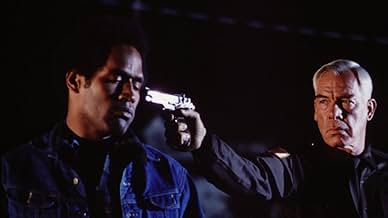
juteralabs.com – The Klansman (1974) is a controversial historical drama film directed by Terence Young. Set in the American South during the Reconstruction era, the film explores the rise of the Ku Klux Klan and its impact on African Americans. However, the film’s portrayal of race relations has been widely criticized for its racist undertones and its romanticization of the Klan.

A Divided Perspective

The film presents a distorted view of history, focusing on the experiences of white characters and downplaying the suffering of Black people. The Klan is depicted as a heroic force fighting against corruption and injustice, while Black characters are often portrayed as stereotypes or victims. This biased perspective has led many to condemn the film as a white supremacist propaganda piece.

A Box Office Failure and Critical Backlash

The Klansman was a commercial and critical failure upon its release. It was widely panned by critics for its racist themes and its historical inaccuracies. The film was also boycotted by civil rights organizations, further contributing to its poor reception.

A Legacy of Controversy

Despite its negative reception, The Klansman remains a controversial and divisive film. It serves as a reminder of the enduring legacy of racism in American society and the dangers of historical revisionism. While the film may be a flawed and offensive work, it can be used as a cautionary tale about the importance of accurate and unbiased historical representation.

A Lesson in Historical Accuracy

It is important to approach The Klansman with a critical eye and to be aware of its historical inaccuracies and racist biases. While the film may be entertaining to some, it is essential to remember the real-world consequences of the Klan’s actions and to strive for a more accurate and nuanced understanding of history.

Sylvia: A Mysterious Femme Fatale – A Psychological Thriller

juteralabs.com – Released in 1965, Sylvia is a psychological thriller that delves into the enigmatic world of its titular character. Directed by Gordon Douglas and starring Carroll Baker, George Maharis, and Peter Lawford, the film offers a blend of mystery, romance, and suspense.   

A Woman of Mystery

The film centers around Sylvia West, a captivating and enigmatic woman who catches the eye of wealthy businessman Frederic Summers. As Summers prepares to marry Sylvia, he becomes increasingly intrigued by her past and hires private detective Macklin to investigate her background.   

Macklin’s investigation leads him down a dark and twisted path, revealing a series of shocking secrets about Sylvia’s past. She emerges as a complex and multifaceted character, a woman with a troubled history and a penchant for deception.

A Psychological Thriller

Sylvia is more than just a detective story; it’s a psychological thriller that explores the darker side of human nature. The film delves into themes of obsession, betrayal, and the blurred lines between love and obsession. Carroll Baker delivers a mesmerizing performance as Sylvia, capturing the character’s allure and dangerous nature.

A Classic Hollywood Noir

The film’s noir-inspired atmosphere, with its shadowy cinematography and morally ambiguous characters, adds to its suspenseful and intriguing nature. The film’s pacing is deliberate, building tension and anticipation as the mystery unfolds.

A Forgotten Gem

Despite its intriguing premise and strong performances, Sylvia is often overlooked in discussions of classic Hollywood films. However, it remains a fascinating and underrated film that offers a glimpse into the psychological complexities of its characters.

The Good Guys and the Bad Guys: A Fun-Filled Western Caper

juteralabs.com – The Good Guys and the Bad Guys is a 1969 American comedy Western film directed by Burt Kennedy. Starring Robert Mitchum and George Kennedy, the film is a lighthearted and entertaining take on the classic Western genre, filled with humorous twists, quirky characters, and plenty of action.   

A Mismatched Duo

The film follows the story of two rival lawmen, Jim Flagg (Robert Mitchum) and Big John McKay (George Kennedy). Despite their long-standing feud, they find themselves reluctantly teaming up to stop a gang of young, reckless outlaws. This unlikely partnership leads to a series of humorous and unpredictable events, as the two aging lawmen struggle to keep up with the younger generation.   

A Quirky Cast and Humorous Plot

The film’s supporting cast includes a colorful array of characters, including a bumbling mayor, a beautiful saloon singer, and a group of eccentric townsfolk. The plot is filled with witty dialogue, slapstick humor, and unexpected twists.   

One of the film’s most memorable scenes involves a shootout in a saloon, where the characters engage in a chaotic and hilarious gunfight. The film also features a number of memorable one-liners and comedic moments, such as when Flagg and McKay attempt to blend in with a group of hippies.

A Nostalgic Western

The Good Guys and the Bad Guys is a nostalgic throwback to the classic Westerns of the 1950s and 1960s. The film’s beautiful scenery, charming characters, and humorous tone make it a delightful watch for fans of the genre. It’s a perfect blend of action, comedy, and Western tradition, offering a fun and entertaining escape.

If you’re looking for a lighthearted and humorous Western that doesn’t take itself too seriously, The Good Guys and the Bad Guys is a great choice. It’s a film that can be enjoyed by both casual viewers and dedicated Western fans.

Secret People: A Gripping British Drama of 1952

juteralabs.com – “Secret People,” released in 1952, is a British drama film directed by Thorold Dickinson. Known for its intense narrative and thought-provoking themes, the film features an early performance by Audrey Hepburn, alongside Valentina Cortese and Serge Reggiani. It delves into issues of political intrigue, personal morality, and the profound impact of past traumas on present lives.

Plot Overview

Set in the politically turbulent 1930s, “Secret People” follows the story of Maria Brentano (Valentina Cortese) and her younger sister Nora (Audrey Hepburn) as they flee to London after their father is executed by a dictator in their home country. Years later, Maria is drawn into a plot to assassinate the very dictator responsible for her father’s death by her childhood friend Louis (Serge Reggiani). The plan goes awry, leading to unintended and tragic consequences, forcing Maria to confront the moral complexities of revenge and justice.

Characters and Performances

Valentina Cortese delivers a compelling performance as Maria, capturing the emotional depth and inner turmoil of a woman torn between her past and her conscience. Audrey Hepburn, in one of her early roles, plays Nora, bringing a sense of innocence and vulnerability that contrasts sharply with the film’s darker themes. Serge Reggiani’s portrayal of Louis adds a layer of intensity, embodying the desperation and determination of a man consumed by his quest for vengeance.

Themes and Style

“Secret People” explores themes of political upheaval, personal responsibility, and the moral ambiguities of revenge. The film’s narrative is driven by its characters’ internal conflicts and the external pressures of a world marked by political unrest. Thorold Dickinson’s direction emphasizes a realistic portrayal of the era’s socio-political landscape, using a stark visual style to enhance the film’s tense atmosphere.

Legacy and Impact

Although not as widely known today, “Secret People” is notable for its early examination of themes that resonate with contemporary audiences, such as the ethical dilemmas faced by individuals caught in political conflicts. Audrey Hepburn’s performance in the film is often highlighted as a significant step in her illustrious career, showcasing her potential as a leading actress.

Conclusion

“Secret People” remains a compelling piece of cinema, reflecting the complexities of its time while offering timeless insights into human nature and morality. Its powerful performances and gripping narrative make it a significant work within the canon of British drama films, deserving of recognition for its artistic contributions and thematic depth.

Sepet (2004): A Heartfelt Exploration of Interracial Love

juteralabs.com – “Sepet” is a 2004 Malaysian film directed by Yasmin Ahmad that explores the complexities of interracial relationships in a multicultural society. Set in Ipoh, Malaysia, the film is a poignant romantic comedy-drama that has become an iconic piece of Malaysian cinema.

Plot Overview

The narrative centers around the unlikely romance between Jason, a Chinese VCD seller with a penchant for poetry, and Orked, a Malay schoolgirl. Their love story unfolds against the backdrop of societal expectations and cultural differences, highlighting the challenges and beauty of their relationship.

Cultural Themes

At the heart of “Sepet” is its exploration of racial and cultural tensions in Malaysia. The film poignantly addresses issues of identity, prejudice, and the struggle for acceptance in a diverse society. Through the lens of Jason and Orked’s relationship, it offers a commentary on the need for understanding and empathy across cultural divides.

Reception

“Sepet” received critical acclaim for its authentic storytelling and nuanced portrayal of cultural dynamics. Yasmin Ahmad’s direction was lauded for its sensitivity and insight, making “Sepet” a beloved classic in Malaysian cinema. The film’s success paved the way for more open discussions about race and relationships in Malaysia.

Conclusion

In conclusion, “Sepet” is more than just a romantic tale; it is a bold narrative that challenges societal norms and celebrates the power of love to transcend boundaries. Its enduring legacy continues to inspire audiences and filmmakers alike, offering a timeless message of hope and unity.

Brotherhood and Brutality in “Brother” (1997)

juteralabs.com – The 1997 film “Brother,” directed by Aleksei Balabanov, is a seminal work in Russian cinema that captures the zeitgeist of post-Soviet Russia with raw intensity and authenticity. The film follows the story of Danila Bagrov, a young man navigating the harsh realities of St. Petersburg’s criminal underworld, and explores themes of identity, morality, and survival in a rapidly changing society.

Plot Overview

Set in the chaotic landscape of 1990s Russia, “Brother” tells the story of Danila Bagrov, a recently discharged soldier who moves to St. Petersburg in search of his older brother. Upon arrival, he discovers that his brother is entangled in the criminal underworld as a hitman. As Danila becomes involved in this dangerous world, he is forced to confront his own moral compass and navigate the thin line between right and wrong.

Themes and Motifs

“Brother” delves into the complexities of post-Soviet identity, capturing the disillusionment and moral ambiguity of a society in transition. The film explores themes of fraternity and loyalty, juxtaposed with the brutality and violence of the criminal underworld. Danila’s character embodies the struggle for personal integrity and meaning in a world where traditional values have been upended.

Cinematic Style

Balabanov employs a gritty, realistic style that immerses viewers in the bleak urban landscape of St. Petersburg. The film’s raw aesthetic, characterized by its unpolished cinematography and naturalistic performances, enhances its authenticity and emotional impact. The soundtrack, featuring Russian rock music, adds a cultural layer that resonates with the film’s themes of rebellion and disillusionment.

Cultural Impact and Reception

Upon its release, “Brother” became an instant cultural phenomenon in Russia. It resonated deeply with audiences, offering a stark reflection of the societal changes and challenges faced by many in the post-Soviet era. The film’s portrayal of a young man grappling with identity and morality struck a chord, making it a defining piece of 1990s Russian cinema.

Conclusion

“Brother” (1997) is more than just a crime drama; it is a poignant exploration of the human condition in the face of societal upheaval. Through its compelling narrative and authentic portrayal of post-Soviet Russia, the film offers a powerful commentary on the search for identity and moral clarity in an uncertain world. Balabanov’s masterpiece continues to captivate and resonate with audiences, cementing its place as a classic in contemporary Russian cinema.

“Recep İvedik 5”: A Comedy Phenomenon in Turkish Cinema

juteralabs.com – “Recep İvedik 5” is a notable entry in the popular Turkish comedy film series that has captured audiences with its unique humor and memorable protagonist. Directed by Togan Gökbakar and starring Şahan Gökbakar, the film continues the adventures of the infamous Recep İvedik, a character known for his brash and often outrageous antics. Released in 2017, the film quickly became a box office success, further solidifying its place in the canon of Turkish comedy.

Plot Overview

The film follows Recep İvedik as he embarks on a new adventure that takes him outside his usual surroundings. This time, Recep finds himself in an unexpected situation when he volunteers to take a group of Turkish athletes to a competition in Europe after their bus driver passes away. True to his character, Recep’s journey is filled with humorous mishaps and cultural misunderstandings, providing a wealth of comedic material.

Character and Humor

Recep İvedik, portrayed by Şahan Gökbakar, is a character that resonates with audiences due to his unfiltered personality and relatable flaws. His comedic style is characterized by slapstick humor, exaggerated expressions, and a penchant for getting himself into absurd situations. The film’s comedy is often rooted in Recep’s interactions with others and the way he navigates unfamiliar environments.

Themes and Cultural Commentary

While “Recep İvedik 5” is primarily a comedy, it also touches on themes of national pride and cultural identity. Recep’s journey with the athletes serves as a backdrop for exploring Turkish culture and the pride associated with representing one’s country abroad. The film cleverly integrates social commentary, using humor to address cultural stereotypes and the challenges of international travel.

Reception and Impact

Upon its release, “Recep İvedik 5” was met with mixed reviews, a common reception for films in the series. While critics often highlight the simplistic plot and repetitive humor, fans of the series appreciate its consistency and the character-driven comedy that has become a hallmark of the franchise. The film’s commercial success is a testament to its popularity, drawing large audiences and contributing significantly to the Turkish film industry.

Conclusion

“Recep İvedik 5” is an important part of the Recep İvedik series, continuing the legacy of one of Turkey’s most beloved comedic characters. Its blend of humor, cultural exploration, and social commentary make it a significant film in Turkish cinema, appealing to audiences both within Turkey and in the broader international community. Whether you’re a longtime fan or new to the series, “Recep İvedik 5” offers a comedic escape that highlights the enduring appeal of its protagonist.

The Timeless Impact of “Ikiru” (1952)

juteralabs.com – “Ikiru,” directed by the legendary Akira Kurosawa, is a 1952 Japanese film that has left a profound impact on cinema and continues to resonate with audiences around the world. Known for its deep philosophical themes and powerful storytelling, “Ikiru” translates to “To Live” in English, capturing the essence of the film’s exploration of life, death, and the search for meaning. This article delves into the narrative, themes, and enduring legacy of this cinematic masterpiece.

Plot Overview

“Ikiru” tells the story of Kanji Watanabe, a middle-aged bureaucrat who has spent 30 years in a monotonous office job, seemingly without purpose or passion. His life takes a drastic turn when he is diagnosed with terminal stomach cancer and given only a few months to live. Confronted with his mortality, Watanabe embarks on a journey to find meaning and fulfillment in his remaining days. His quest leads him to transform a stagnant city bureaucracy project into a vibrant children’s playground, leaving behind a legacy of hope and change.

Themes of Mortality and Meaning

At its core, “Ikiru” is an exploration of mortality and the human quest for meaning. The film poignantly depicts Watanabe’s existential crisis, highlighting the universal struggle to find purpose in life. Through his transformation, Kurosawa examines the importance of living authentically and making a positive impact on the world, even in the face of death. The film raises introspective questions about how we spend our time and what truly matters in life.

Character Study and Performance

Takashi Shimura delivers a masterful performance as Kanji Watanabe, capturing the character’s journey from despair to enlightenment with subtlety and depth. His portrayal of Watanabe’s quiet desperation and eventual determination is both moving and inspiring. Kurosawa’s direction ensures that each character, even those in supporting roles, contributes to the film’s exploration of societal and personal themes.

Cinematic Techniques

Kurosawa employs a range of cinematic techniques to enhance the film’s emotional impact and narrative structure. The use of black-and-white cinematography accentuates the film’s somber tone and highlights the stark realities faced by the protagonist. Kurosawa’s innovative use of flashbacks and non-linear storytelling provides insight into Watanabe’s life and the bureaucratic environment that initially stifles his spirit. The film’s poignant score further enriches its emotional depth.

Legacy and Influence

“Ikiru” has had a lasting influence on both Japanese and international cinema. Its profound exploration of existential themes has inspired filmmakers and viewers alike, earning it a place among Kurosawa’s most celebrated works. The film’s message about the value of life and the power of individual action continues to resonate, making it a timeless classic that speaks to audiences across generations.

Conclusion

“Ikiru” is a cinematic journey that offers a powerful meditation on life, death, and the pursuit of meaning. Through its compelling narrative and unforgettable performances, the film challenges viewers to reflect on their own lives and consider the legacy they wish to leave behind. As one of Akira Kurosawa’s most enduring films, “Ikiru” remains a poignant reminder of the importance of living with purpose and compassion.