
John F. Kennedy: Icon of the “Camelot” Era in USA Politics

juteralabs.com – John F. Kennedy, the 35th President of the United States, remains an enduring figure in American history. His presidency, though tragically cut short by his assassination in 1963, has been immortalized in both political history and popular culture. The “Camelot” era, a term often associated with Kennedy’s time in office, represents a period of optimism, idealism, and youthful energy that captivated the American public and the world. The Camelot myth, largely shaped by the media, portrayed Kennedy and his administration as a golden age in American politics—one full of hope, ambition, and a belief in progress. This image has persisted for decades and continues to shape the way Americans view both Kennedy’s presidency and the ideal of leadership.

The Emergence of “Camelot”

The “Camelot” era refers to the mythos that was created around Kennedy’s presidency, a time that was seen as an idealistic and transformative period in American politics. This term was famously coined by Jacqueline Kennedy, the First Lady, in an interview she gave to Life magazine shortly after her husband’s assassination. In her interview, Jacqueline referred to their time in the White House as “Camelot,” drawing a parallel to the legendary Arthurian tales of King Arthur and his court. She likened the optimism and idealism of their time in the White House to the mythical Camelot, a utopian kingdom filled with nobility, promise, and progress.

The “Camelot” image quickly captured the imagination of the American public. The media, especially television, played a significant role in shaping this image, which portrayed the Kennedy administration as not only a political era but also a cultural movement. The Kennedy family, with their youth, beauty, and charisma, was seen as the embodiment of an idealized American life. JFK and his wife Jacqueline, often referred to as “Jackie,” became symbols of elegance and sophistication, a stark contrast to the political figures of the past.

The Kennedy Family: A Symbol of Youth and Glamour

One of the defining features of the Camelot era was the undeniable charm of the Kennedy family. At the center was John F. Kennedy himself, a handsome, youthful leader whose charisma resonated both in the U.S. and internationally. His image as a young, energetic president in his early 40s contrasted with the older, more traditional figures of leadership that had come before him. This juxtaposition helped elevate Kennedy’s presidency into a symbol of vitality and promise, embodying the ideals of a new generation of Americans.

First Lady Jacqueline Kennedy also played a significant role in creating the “Camelot” aura. Known for her elegance, grace, and intelligence, Jackie became a global fashion icon, a symbol of American style, and a beloved public figure. Her dedication to preserving the history of the White House and promoting the arts through initiatives like the restoration of the White House helped solidify her role as a cultural figure in her own right. Together, John and Jackie Kennedy became an iconic couple, representing the hopes and aspirations of a young, vibrant nation.

The couple’s young children, Caroline and John Jr., further added to the Camelot image. Their innocence and charm, frequently captured in family photos and public appearances, helped humanize the Kennedy family, making them seem more accessible and relatable to the American public. The Kennedy children were seen as symbols of the promise of the future, representing a new era of American leadership and a family-oriented political dynasty.

A Presidency of Idealism and Ambition

John F. Kennedy’s presidency, though short, was marked by a spirit of idealism and bold ambition. He sought to address the challenges facing America and the world with a forward-thinking mindset. Kennedy’s famous inaugural address in 1961, where he declared, “Ask not what your country can do for you – ask what you can do for your country,” became a rallying cry for a generation eager to make a difference in the world. The message embodied the sense of national pride, selflessness, and unity that characterized the early years of his presidency.

Kennedy’s vision for a new America was encapsulated in his legislative agenda, known as the New Frontier. His domestic agenda aimed to tackle issues such as poverty, civil rights, education, and healthcare, while his foreign policy focused on confronting the challenges of the Cold War, particularly in relation to the Soviet Union and the growing nuclear threat. His ambition to send a man to the moon and his efforts to launch the Peace Corps were reflections of his idealism and belief in America’s role as a leader of progress and peace in the world.

Kennedy’s leadership during the Cuban Missile Crisis in 1962 was another example of his ability to handle crisis with both determination and a sense of moral clarity. The world stood on the brink of nuclear war, but Kennedy’s measured, diplomatic response ultimately led to the peaceful resolution of the standoff. His calm demeanor and intellectual approach to foreign policy further reinforced the image of a leader who could handle difficult situations with grace and wisdom.

The Role of the Media in Shaping the “Camelot” Image

The “Camelot” myth was, in many ways, created and amplified by the media. The press played a crucial role in shaping the public’s perception of Kennedy and his family. The new medium of television, in particular, allowed the American people to witness the charm and energy of Kennedy and his family on a daily basis. The visual medium helped solidify the Kennedy family’s image as a glamorous, youthful, and progressive force in American politics.

The media frequently portrayed the Kennedy administration as a time of hope and change, offering a sharp contrast to the more conservative and traditional leadership of the past. Magazine covers, television programs, and photographs often highlighted the Kennedys as symbols of modernity and cultural sophistication. Their public appearances—whether it was Jackie Kennedy’s televised tour of the White House or JFK’s speeches about the future of the country—were events that captured the imagination of the nation.

Journalists and writers also helped perpetuate the Camelot legend by crafting stories that emphasized the president’s personal appeal and his family’s charm. The media focus on the youthful energy of the Kennedy White House created an air of excitement and optimism, even as the nation faced challenges like the Civil Rights Movement, the Cold War, and the growing nuclear threat.

The Tragic End of the “Camelot” Era

The assassination of John F. Kennedy on November 22, 1963, in Dallas, Texas, marked the end of the Camelot era. The shock of his death reverberated across the nation and the world, leaving the American people mourning the loss of a president they saw as the embodiment of hope and change. Jacqueline Kennedy’s reference to the Camelot myth, especially in the wake of his death, solidified the idea that the Kennedy presidency represented a golden age in American history.

Though Kennedy’s time in office was brief—only 1,036 days—the idealized vision of his presidency continues to shape how Americans remember him. The Camelot era has come to represent a time when the country was full of promise, and the leadership of John F. Kennedy embodied the spirit of youthful ambition, progress, and hope for a brighter future.

The Legacy of Camelot

The Camelot myth has endured for decades, even though the reality of the Kennedy presidency was much more complex than the image portrayed by the media. Kennedy’s leadership faced significant challenges, including the ongoing civil rights struggle, the threat of nuclear war, and growing unrest over the Vietnam War. Yet, the image of Camelot endures because of Kennedy’s ability to inspire the nation with his vision, his ideals, and his leadership.

Today, John F. Kennedy is remembered as one of the most beloved and iconic presidents in American history. The Camelot era, for many, represents the pinnacle of American political leadership—an idealized moment when the country seemed full of potential and the future seemed limitless. Though the world has changed, the image of John F. Kennedy and the Camelot era remains an enduring symbol of the dreams and aspirations of a generation.

Conclusion

John F. Kennedy’s presidency, despite its tragic end, stands as a beacon of hope and progress in American history. The Camelot myth, constructed in the wake of his death, immortalized Kennedy as an icon of youth, ambition, and promise. The legacy of Camelot continues to shape the way we view the Kennedy presidency, reminding us of the ideals of leadership and the enduring power of vision in times of change. Whether through his bold policy proposals, his charisma, or his ability to inspire the American people, John F. Kennedy remains a symbol of what America can aspire to be, both as a nation and as individuals.
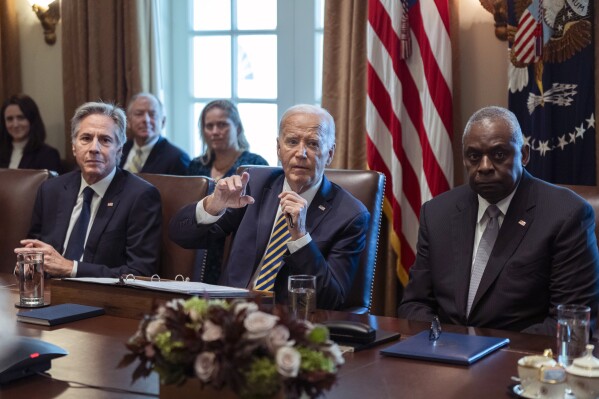
Joe Biden’s Foreign Policy Experience: Global Leadership

juteralabs.com – Joe Biden, the 46th President of the United States, has an extensive and storied career in foreign policy that spans over five decades. His experience as a U.S. Senator, Vice President under President Barack Obama, and now as President himself, has shaped his approach to international relations, security, diplomacy, and multilateral cooperation. Biden’s foreign policy expertise is informed by his deep understanding of global issues, his diplomatic engagement with world leaders, and his commitment to advancing U.S. interests while promoting peace, human rights, and democracy worldwide.

Biden’s foreign policy experience is rooted in his belief in the power of diplomacy, multilateralism, and strong alliances. Throughout his career, he has navigated some of the most significant challenges in U.S. foreign relations, from the wars in Iraq and Afghanistan to the rise of China as a global power. His approach to foreign policy has been marked by pragmatism, a commitment to engagement, and an understanding of the complexities of global geopolitics.

In this article, we explore Joe Biden’s extensive foreign policy experience, from his time in the Senate to his leadership as Vice President and now as President of the United States. We also examine the key themes and strategies that have defined Biden’s approach to international relations, including his advocacy for diplomacy, his commitment to alliances, and his focus on global security challenges.

Joe Biden’s Early Foreign Policy Experience in the U.S. Senate

Before becoming Vice President, Biden served as a U.S. Senator from Delaware for 36 years. During this time, he was deeply involved in foreign policy and national security issues, both as a member of the Senate Foreign Relations Committee and as its chairman. His time in the Senate was defined by his commitment to shaping U.S. foreign policy, advocating for human rights, and addressing global security challenges.

1. Chairmanship of the Senate Foreign Relations Committee

Biden’s leadership in the Senate Foreign Relations Committee was one of the cornerstones of his foreign policy career. As Chairman from 2001 to 2003 and again from 2007 to 2009, Biden played a critical role in shaping key foreign policy initiatives, particularly in relation to the Middle East, Europe, and Latin America. His work on the committee included advocating for diplomatic engagement, international cooperation, and the promotion of democratic values around the world.

In particular, Biden was instrumental in shaping U.S. foreign policy during the wars in Iraq and Afghanistan, which dominated the early 21st century. His advocacy for a diplomatic resolution to the Iraq War, as well as his support for military engagement in Afghanistan to fight terrorism, highlighted his nuanced approach to complex foreign policy issues.

2. Advocating for Human Rights and Democracy

Throughout his Senate career, Biden was a strong advocate for human rights and democratic values. He championed U.S. support for democratic movements and human rights defenders in countries around the world. His work focused on curbing authoritarianism, protecting religious freedom, and promoting freedom of expression.

Biden was also a key figure in advocating for U.S. foreign aid and international programs that supported democracy-building efforts and poverty alleviation. He played a role in passing legislation that supported the U.S. role in promoting global health, humanitarian aid, and conflict resolution.

Joe Biden’s Foreign Policy as Vice President

Biden’s foreign policy experience as Vice President under President Barack Obama was a pivotal period in his career. Serving as Obama’s chief advisor on foreign affairs, Biden played a key role in shaping the U.S. response to global crises, engaging in high-level diplomacy, and strengthening alliances around the world. His leadership in a range of international issues—from nuclear disarmament to counterterrorism—defined the Obama administration’s foreign policy legacy.

1. The Iran Nuclear Deal (Joint Comprehensive Plan of Action)

One of the defining achievements of Biden’s foreign policy tenure as Vice President was his involvement in the negotiation of the Iran Nuclear Deal, also known as the Joint Comprehensive Plan of Action (JCPOA). The deal, reached in 2015, was a diplomatic breakthrough that aimed to curb Iran’s nuclear program in exchange for sanctions relief. Biden played a central role in supporting President Obama’s push for a multilateral diplomatic solution to prevent Iran from obtaining nuclear weapons.

The Iran Nuclear Deal was praised by many as a model of diplomacy and international cooperation. Biden’s role in the negotiations highlighted his belief in the power of engagement and diplomacy over military confrontation. Despite its eventual unraveling during the Trump administration, Biden’s involvement in the JCPOA remains a hallmark of his foreign policy legacy.

2. The Withdrawal from Iraq and Afghanistan

Biden was a strong advocate for ending the U.S. military presence in Iraq and Afghanistan. His experience in navigating the complex dynamics of both wars gave him a unique perspective on the need to prioritize diplomacy and peacebuilding. Biden advocated for a responsible withdrawal of U.S. forces from Iraq, which occurred in 2011, and he was instrumental in overseeing the U.S. troop surge in Afghanistan in 2009.

Biden’s focus on diplomacy, as well as his commitment to rebuilding nations after conflict, shaped the Obama administration’s approach to both Iraq and Afghanistan. His leadership in pushing for a gradual reduction of U.S. military involvement in these countries was part of a broader vision to reduce U.S. military presence abroad while still supporting the stability of these nations through diplomatic and economic assistance.

3. Global Climate Change and International Cooperation

Biden’s time as Vice President was also marked by a strong commitment to addressing global climate change. As a key advocate for the Paris Agreement on climate change, Biden worked to ensure that the U.S. remained engaged in global efforts to combat climate change and reduce greenhouse gas emissions. His leadership in this area underscored his belief in multilateralism and the importance of international cooperation to tackle global challenges.

Biden’s commitment to addressing climate change as a foreign policy priority was a central theme during his vice presidency. He worked closely with world leaders to ensure that the U.S. played an active role in climate negotiations and that the country adhered to international agreements aimed at mitigating the effects of climate change.

Joe Biden’s Foreign Policy as President

As President of the United States, Joe Biden has continued to prioritize diplomacy, multilateralism, and the protection of democratic values on the world stage. His administration’s foreign policy is focused on rebuilding alliances, reasserting U.S. leadership, and addressing global challenges such as climate change, the COVID-19 pandemic, and the rise of authoritarianism.

1. Rebuilding U.S. Alliances and Multilateral Engagement

One of Biden’s key priorities as President has been to restore U.S. relationships with traditional allies, particularly NATO and European partners. After years of tension under the Trump administration, Biden has worked to reaffirm the U.S.’s commitment to its allies and has emphasized the importance of working through multilateral organizations like the United Nations, the World Health Organization, and the G7.

Biden’s diplomatic approach to foreign policy has been centered around building stronger partnerships with democratic nations and confronting global challenges through collective action. His “America is back” message underscores his belief that the U.S. should play a leading role in shaping global affairs, promoting peace, and advancing human rights.

2. Confronting Global Threats and Security Challenges

Biden’s foreign policy is also focused on addressing security threats such as the rise of China, Russia’s aggressive actions, and the ongoing challenges posed by terrorism. Biden has taken a firm stance on defending human rights, countering cyber threats, and addressing the security implications of China’s growing influence in Asia and beyond.

Biden’s administration has taken steps to strengthen military alliances in the Pacific, including with Japan, South Korea, and Australia, while also bolstering U.S. support for NATO’s defense of Eastern Europe in response to Russia’s actions in Ukraine and other regions. Biden has also continued the U.S. commitment to counterterrorism, particularly in the Middle East and Africa, while emphasizing the importance of working with international partners to combat extremism.

3. Advancing Global Health and Climate Action

In addition to his focus on security, Biden has placed a strong emphasis on global health and climate action. His administration has made significant efforts to rejoin the Paris Climate Agreement and has committed to taking bold steps to address climate change through international cooperation. Biden’s leadership in the global response to the COVID-19 pandemic, including supporting vaccine distribution and providing economic aid to affected nations, underscores his commitment to promoting global health and security.

Conclusion

Joe Biden’s foreign policy experience has been shaped by his decades of leadership in the U.S. Senate, his role as Vice President, and his current presidency. His approach to foreign policy is grounded in diplomacy, multilateralism, and the belief that the United States must work in partnership with other nations to address global challenges and promote peace. Throughout his career, Biden has demonstrated a deep commitment to advancing U.S. interests while championing human rights, democracy, and international cooperation.

As President, Biden’s foreign policy has emphasized rebuilding alliances, confronting security threats, and addressing issues like climate change and global health. His extensive foreign policy experience has shaped his leadership and continues to influence his approach to global diplomacy as he navigates the complexities of international relations in the 21st century.

Barack Obama: Former Commander-in-Chief of U.S. Armed Forces

juteralabs.com – Barack Obama, the 44th President of the United States, not only made history as the first African American to hold the nation’s highest office, but he also led the U.S. military during a pivotal time in the nation’s history. Serving as Commander-in-Chief from 2009 to 2017, Obama’s presidency witnessed major military engagements, significant national security challenges, and the implementation of crucial military and defense reforms. His leadership as Commander-in-Chief was marked by a combination of pragmatism, caution, and a focus on diplomacy, all while maintaining the military readiness and strength of the United States.

This article will explore Obama’s role as Commander-in-Chief, examining his military policies, key military operations, his relationship with the U.S. Armed Forces, and the challenges he faced in overseeing military decisions during his two terms in office.

The Role of Commander-in-Chief

As Commander-in-Chief, the President of the United States holds supreme command over the nation’s military forces. This power is established by Article II, Section 2 of the U.S. Constitution, which grants the president authority to direct military operations, engage in warfare, and make decisions related to national defense and security. However, the president’s military powers are balanced by the need for congressional approval for war declarations and military funding. Throughout his presidency, Obama’s approach to military leadership involved a careful balancing act of maintaining national security, responding to international crises, and avoiding unnecessary military entanglements.

Obama inherited a challenging security landscape when he assumed office in 2009. The U.S. was deeply involved in the Iraq War and the War in Afghanistan, both of which had been ongoing for several years. Additionally, Obama had to address the evolving threats of terrorism, particularly from groups like Al-Qaeda and the newly emerging ISIS. His leadership would require not only tactical military decisions but also broader strategic thinking on issues such as diplomacy, counterterrorism, and the evolving nature of modern warfare.

Key Military Operations and Decisions During Obama’s Presidency

1. The End of the Iraq War and the Surge in Afghanistan

One of Obama’s first major military decisions as president was his commitment to end the Iraq War. During his presidential campaign, Obama had promised to pull U.S. troops out of Iraq and bring an end to the prolonged conflict that had started in 2003 under President George W. Bush. In February 2009, Obama announced a plan to withdraw all combat troops from Iraq by August 2010, with a full pullout completed by December 2011. This decision was initially met with skepticism from both domestic and international observers, but Obama remained committed to the drawdown.

Despite the withdrawal, Obama’s administration continued to face security challenges in Iraq, including the rise of insurgent groups and the evolving threat of terrorism. The U.S. military remained involved in training and advising the Iraqi government and security forces. The final withdrawal of U.S. troops from Iraq in December 2011 marked the official end of the Iraq War, a significant achievement for Obama’s foreign policy legacy, but also set the stage for the challenges that would arise in the Middle East in the years that followed.

In Afghanistan, Obama initially increased the number of U.S. troops as part of a surge to stabilize the country and weaken the Taliban insurgency. In 2009, Obama authorized an additional 30,000 troops to be deployed to Afghanistan in an effort to accelerate the campaign against the Taliban and Al-Qaeda. This surge, however, was accompanied by a clear timeline for troop withdrawals. Obama gradually reduced troop numbers in Afghanistan, beginning in 2011, and ultimately announced a complete withdrawal plan by the end of 2014.

2. The Operation to Kill Osama bin Laden

Arguably one of the most defining moments of Obama’s presidency and his role as Commander-in-Chief came in May 2011, with the successful mission to kill Osama bin Laden, the mastermind behind the September 11, 2001, terrorist attacks. Bin Laden had been a long-time target of U.S. intelligence agencies, and his capture or death was a key objective in the global war on terror.

In a covert operation known as Operation Neptune Spear, Navy SEAL Team 6 (DEVGRU), operating under the authority of the U.S. Central Intelligence Agency (CIA), raided bin Laden’s compound in Abbottabad, Pakistan, and killed him. The operation was highly secretive, and its success was a major victory for Obama’s administration, providing a sense of justice for the victims of 9/11. Obama’s role in approving and overseeing the operation was a critical moment in his military leadership, showcasing his decision-making skills under immense pressure.

The killing of bin Laden was also a significant moment in terms of military collaboration, showcasing the U.S. military’s elite special operations forces, intelligence agencies, and the effectiveness of counterterrorism strategies. It was widely regarded as a major success in the fight against global terrorism.

3. The Rise of ISIS and the War on Terror

In addition to the ongoing conflicts in Iraq and Afghanistan, one of the most significant challenges during Obama’s time as Commander-in-Chief was the rise of ISIS (Islamic State of Iraq and Syria). The group gained control over large swaths of territory in Iraq and Syria, declaring itself a caliphate in 2014 and carrying out brutal terrorist attacks across the Middle East and Europe.

In response to the growing threat posed by ISIS, Obama authorized a broad range of military actions, including airstrikes, special operations raids, and support for local forces. The U.S.-led coalition began conducting airstrikes against ISIS targets in both Iraq and Syria, and in 2015, Obama sent U.S. Special Forces to assist local Kurdish and Iraqi forces in the fight against ISIS.

The military effort to dismantle ISIS was a complex, multinational operation, and although Obama’s administration had helped reduce ISIS’s territorial hold by the time he left office, the group remained a persistent threat. The U.S. military’s efforts to weaken ISIS included both direct combat operations and broader strategies to destabilize the group’s financial infrastructure and recruitment efforts.

4. The Libyan Intervention and the NATO-led Campaign

Another significant military action during Obama’s presidency was the Libyan intervention in 2011, which aimed to protect civilians from the regime of Libyan leader Muammar Gaddafi. After Gaddafi’s forces began attacking protesters during the Libyan Civil War, the United Nations authorized a no-fly zone and military intervention to prevent further violence. The U.S. played a leading role in the intervention, conducting airstrikes against Gaddafi’s forces, and providing logistical and intelligence support to NATO forces.

While the intervention initially succeeded in protecting civilians and ultimately led to the overthrow of Gaddafi, the aftermath of the conflict was marked by instability, which some critics argue contributed to ongoing chaos in Libya and the broader region. Obama later expressed regret for not doing more to help stabilize Libya after Gaddafi’s fall, highlighting the complexities of military intervention in foreign countries.

5. Pivot to the Asia-Pacific Region and Military Strategy

In addition to direct military interventions, Obama’s presidency was marked by a strategic shift toward the Asia-Pacific region, often referred to as the “Pivot to Asia.” This shift involved a focus on strengthening military alliances and increasing the U.S. military presence in the region in response to the rising influence of China and the North Korean nuclear threat.

Obama’s administration sought to modernize military partnerships in the region, working closely with allies such as Japan, South Korea, and Australia. This included the stationing of additional U.S. troops in the region and increasing the U.S. Navy’s presence in the Pacific Ocean.

6. Military Reforms and the Ending of “Don’t Ask, Don’t Tell”

One of the key achievements in Obama’s tenure as Commander-in-Chief was the repeal of the “Don’t Ask, Don’t Tell” (DADT) policy in 2011. This policy, which had been in place since 1993, prohibited openly gay and lesbian individuals from serving in the U.S. military. The repeal allowed members of the LGBTQ+ community to serve openly, marking a significant step toward greater inclusion and equality within the armed forces.

7. Drone Warfare and Targeted Strikes

During Obama’s presidency, the use of drone strikes became a key tool in counterterrorism efforts. Obama expanded the use of drones in regions like Pakistan, Yemen, and Somalia, targeting terrorist leaders and organizations. While drone strikes were hailed for their precision and ability to minimize U.S. casualties, they also faced criticism for civilian casualties and the ethical implications of remote warfare.

Obama’s Relationship with the U.S. Military

Obama had a complex and evolving relationship with the U.S. military throughout his presidency. He respected the military’s role in national defense but was also committed to reducing the U.S.’s military footprint abroad, particularly in the Middle East. He often struggled with the tension between military solutions and diplomatic efforts, especially in the context of Iraq, Afghanistan, and other global conflicts.

Despite criticism from some quarters for his approach to military intervention, Obama maintained a strong commitment to ensuring that U.S. military personnel were equipped with the tools and resources they needed to succeed in their missions. Throughout his presidency, he worked closely with military leaders, listened to their counsel, and made decisions with the long-term interests of the nation in mind.

Conclusion: Obama’s Legacy as Commander-in-Chief

Barack Obama’s leadership as Commander-in-Chief shaped the course of U.S. military operations and foreign policy for nearly a decade. His presidency was marked by a mixture of military intervention and strategic withdrawal, diplomacy and counterterrorism, as he sought to navigate complex global challenges while positioning the U.S. as a leader on the world stage.

Obama’s legacy as Commander-in-Chief will be remembered for his pragmatic approach to military decisions, his commitment to ending long-standing conflicts, and his focus on strengthening global alliances. His military leadership continues to influence U.S. policy and military strategy in the years following his presidency.