Warren G. Harding: The 29th President’s Legacy

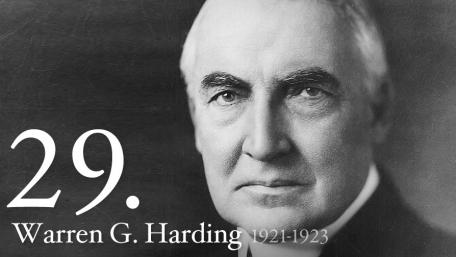
juteralabs.com – Warren Gamaliel Harding, the 29th President of the United States, held office from 1921 until his untimely death in 1923. Although his presidency was short-lived, Harding’s time in office was marked by significant events that left a complex legacy, influencing both domestic and foreign policies. From economic growth to political scandals, Harding’s presidency remains one of the most debated in American history.

Early Life and Political Rise

Childhood and Education

Warren G. Harding was born on November 2, 1865, in Blooming Grove, Ohio. He came from a modest background, his father being a physician and farmer. Harding attended Ohio Central College, where he was an average student. His early life was marked by a series of modest jobs, including working in a printing office. This experience led him to develop a deep interest in journalism, ultimately becoming the owner of the Marion Daily Star in 1884. Harding’s time in the media world helped him build a network of political contacts that would prove useful later in life.

Entry into Politics

Harding’s foray into politics began with his election to the Ohio State Senate in 1900. His political career flourished through a series of local positions, including a brief tenure as Lieutenant Governor of Ohio from 1904 to 1906. He was known as a moderate and pragmatic politician, which helped him garner support across party lines. However, it was his election to the U.S. Senate in 1914 that truly marked his rise on the national stage.

In 1920, Harding ran for president as the Republican candidate. His campaign was characterized by a promise of a “return to normalcy,” a call for a retreat from the tumultuous years of World War I and the progressive reforms that had shaped the previous decade. Harding’s message resonated with a war-weary America, and he won the presidency in a landslide victory.

The Harding Administration

Economic Policies: A Return to Prosperity

Upon assuming office, Harding focused on implementing policies that were designed to restore prosperity to a post-war America. A key aspect of his economic agenda was tax cuts for individuals and corporations. Harding believed that reducing taxes would stimulate economic growth by providing businesses with more capital to invest and expand. His administration worked closely with Congress to pass the Revenue Act of 1921, which significantly reduced the top income tax rate from 73% to 58%.

In addition to tax cuts, Harding’s administration implemented policies designed to reduce government spending and balance the federal budget. Harding was committed to lowering the national debt, and during his tenure, the federal budget saw a surplus for the first time in years. The result of these economic policies was a period of rapid economic growth and prosperity in the United States, laying the foundation for the “Roaring Twenties.”

Foreign Policy: Isolationism and Diplomacy

Harding’s foreign policy was characterized by a return to isolationism, reflecting the sentiment of many Americans after the hardships of World War I. The president focused on promoting peace and stability without becoming entangled in European conflicts. One of Harding’s key achievements in foreign policy was the Washington Naval Conference of 1921-1922, which aimed to reduce the naval arms race among the world’s major powers.

The Washington Naval Conference resulted in agreements that limited the construction of battleships and aircraft carriers, as well as the establishment of a ratio for naval armament among the United States, the United Kingdom, Japan, France, and Italy. Harding’s administration also played a role in the negotiation of the Kellogg-Briand Pact of 1928, which sought to outlaw war as a means of resolving disputes. Although these diplomatic efforts were seen as successes, Harding’s emphasis on isolationism did not prevent the world from eventually slipping back into international tensions that would lead to World War II.

The Teapot Dome Scandal: A Dark Chapter

While Harding’s administration had notable achievements, it was also marred by the infamous Teapot Dome scandal, which continues to tarnish his legacy. The scandal involved the secret leasing of federal oil reserves at Teapot Dome, Wyoming, and Elk Hills, California, to private companies without competitive bidding. Albert Fall, Harding’s Secretary of the Interior, was found to have accepted bribes from these companies in exchange for the leases.

The Teapot Dome scandal rocked the Harding administration, and it raised serious questions about corruption and the extent to which Harding’s cabinet was involved in illegal activities. Although Harding was not directly implicated in the scandal, his failure to address the issue effectively and his choice of corrupt officials for key positions in his administration significantly damaged his reputation.

Harding’s Legacy

A Mixed Legacy

Warren G. Harding’s presidency remains one of the most complex in U.S. history. His policies of economic conservatism and isolationism left a mark on the country, particularly in terms of fiscal policy and international diplomacy. Under Harding, the U.S. experienced an economic boom, a reduction in taxes, and a commitment to reducing government interference in the economy. These policies, often associated with the “laissez-faire” economic philosophy, paved the way for the prosperity of the 1920s.

However, Harding’s legacy is also clouded by scandals and ethical questions. The Teapot Dome scandal, in particular, casts a long shadow over his presidency, contributing to a perception of incompetence and corruption in his administration. The president’s untimely death in 1923, at the age of 57, left many questions unanswered, leaving historians to debate how his presidency would have unfolded had he served a full term.

Harding’s Influence on Future Presidents

Despite his relatively low approval during his lifetime, Harding’s policies set the stage for future administrations. His economic principles were embraced by Republican presidents in the years following his death, particularly Herbert Hoover, who succeeded him in 1929. Hoover’s policies, although ultimately unsuccessful during the Great Depression, were built upon the framework that Harding had established.

Additionally, Harding’s approach to foreign policy—emphasizing diplomacy over military engagement—left an enduring influence on U.S. foreign relations. His emphasis on disarmament and international cooperation would continue to be echoed in U.S. policies throughout the 20th century.

Conclusion

Warren G. Harding’s legacy is a paradox, marked by both significant accomplishments and deeply troubling scandals. His presidency, short as it was, demonstrated the potential for economic growth through conservative fiscal policies and a restrained foreign policy approach. Yet, the scandals that marred his administration, particularly the Teapot Dome affair, have left an indelible mark on the historical record.

In the end, Harding’s legacy is one of contradictions—he was a man who ushered in a period of prosperity but whose administration was ultimately brought down by corruption. As such, he remains a figure in American history whose presidency continues to inspire both admiration for his policy achievements and criticism for his lack of leadership in the face of scandal.

Grover Cleveland’s Legacy: Champion of Honesty & Reform

juteralabs.com – Grover Cleveland, the 22nd and 24th President of the United States, left a profound mark on American political life during the late 19th century. He was renowned for his personal integrity, a strong sense of moral character, and his commitment to reform, earning him the moniker “Grover the Good.” Cleveland’s legacy as a champion of honesty and reform is not only reflected in his policies but also in his steadfast principles, which stood in contrast to the political machine-driven politics of his time. His administrations, spanning two non-consecutive terms, were pivotal in shaping the modern American political landscape. This article explores Cleveland’s legacy and how his devotion to public service and reform became his most enduring contribution to the nation.

Early Foundations of Integrity and Reform

Background and Upbringing

Grover Cleveland’s commitment to honesty and integrity began in his early life. Born on March 18, 1837, in Caldwell, New Jersey, Cleveland grew up in a family that valued education and hard work. His father, a Presbyterian minister, instilled in him strong moral values. After the death of his father, Cleveland’s family faced financial hardship, forcing him to leave school at a young age and take a job in a law office. Despite not attending college, Cleveland’s determination and intelligence helped him earn his law degree through apprenticeship, setting the stage for his future career in politics.

As a young man, Cleveland built a reputation in Buffalo, New York, where he worked as a lawyer. He was known for his straightforwardness and refusal to engage in corrupt practices, traits that would later define his political career. His belief in justice and fairness guided his early political actions, ultimately earning him a place in local government as the mayor of Buffalo in 1881, followed by his election as the governor of New York in 1882.

Fighting Corruption as Mayor and Governor

Before becoming president, Cleveland was already known for his principled stance against corruption. As mayor of Buffalo, he took bold actions to address political cronyism and improve the city’s governance. Cleveland’s reforms were especially notable in his crackdown on bribery and corruption, making him a figure of trust and reliability in a political landscape often dominated by patronage.

As governor of New York, Cleveland continued his reformist agenda. He used his political office to challenge powerful political machines and uphold ethical standards in government. His reputation for honesty and his efforts to reduce the influence of party bosses helped propel him to national prominence, making him a prime candidate for the presidency in 1884.

Grover Cleveland’s Presidency: A Champion of Reform

The 1884 Election: A Vote for Integrity

Grover Cleveland’s victory in the 1884 presidential election marked the rise of a new era of reform in American politics. Cleveland ran as the Democratic nominee against Republican James G. Blaine, whose campaign was tainted by accusations of corruption and scandal. Cleveland’s opponent’s campaign was marred by a history of questionable associations, and Cleveland’s own reputation for honesty stood in stark contrast. His victory was seen as a repudiation of the prevailing political machine politics of the time.

Cleveland’s 1884 victory was built upon his promises to reform the government and eliminate corruption. His platform resonated with voters who were tired of the patronage-based system, where government jobs were distributed based on political loyalty rather than merit. Cleveland’s commitment to clean government was central to his appeal and would define much of his presidency.

Civil Service Reform: Ending the Spoils System

One of Cleveland’s most significant accomplishments during his first term was his commitment to civil service reform. At the time, the federal government was rife with corruption, and jobs in the federal bureaucracy were often given to those with political connections, rather than based on merit. This system, known as the “spoils system,” allowed party bosses to control government appointments, contributing to inefficiency and patronage-based politics.

Cleveland was a staunch advocate for a merit-based system, where government jobs would be awarded based on qualifications rather than political ties. In 1883, the Pendleton Civil Service Reform Act was passed, which established the foundation for a merit-based civil service system. Though the act was passed before Cleveland’s presidency, he implemented its provisions and extended its reach during his time in office. By the end of his first term, Cleveland had removed thousands of political appointees from government positions, replacing them with qualified individuals. His actions helped pave the way for a more efficient and less corrupt federal government, setting a precedent for future reforms.

The Interstate Commerce Act: Regulating Big Business

Another major reform under Cleveland’s administration was the passage of the Interstate Commerce Act of 1887. This was the first federal law aimed at regulating the railroad industry, which had become a powerful force in American commerce. Railroads often exploited their control over transportation networks to charge unfair rates and engage in discriminatory practices. Cleveland’s administration took the step of regulating the railroad industry to ensure fair pricing and practices for consumers and businesses.

The Interstate Commerce Act established the Interstate Commerce Commission (ICC), tasked with overseeing railroad rates and practices. Though the act’s initial impact was limited, it marked the beginning of federal regulation of big business and paved the way for future reforms in the decades to come. Cleveland’s willingness to take on powerful corporate interests was a hallmark of his presidency, showcasing his commitment to fairness and public interest over private power.

Foreign Policy: A Commitment to Peace and Neutrality

Cleveland’s foreign policy was characterized by a cautious and non-interventionist approach. While his administration focused on maintaining peace, he was also committed to standing up for American interests abroad. One of the most notable foreign policy events of his first term was the Chilean Crisis of 1891, which threatened to escalate into military conflict between the United States and Chile. Cleveland’s decision to diplomatically resolve the crisis, rather than resorting to force, was a reflection of his belief in peaceful diplomacy and avoiding entanglements in unnecessary conflicts.

This pragmatic approach to foreign policy was in contrast to the more aggressive stances taken by other world powers during the era. Cleveland’s commitment to non-intervention helped to define U.S. foreign relations at the time and underscored his overall philosophy of limited government and diplomacy over military action.

The 1893 Depression and Cleveland’s Economic Reforms

The Panic of 1893

Cleveland’s second term as president, beginning in 1893, was dominated by the economic depression that followed the Panic of 1893. The financial crisis, sparked by the collapse of railroad companies and a banking panic, led to widespread unemployment and economic instability. Cleveland’s response to the depression was rooted in his commitment to fiscal conservatism and his dedication to maintaining the gold standard.

Despite the economic hardships, Cleveland resisted calls for inflationary policies such as the free coinage of silver, which was championed by populists and silver advocates. He believed that expanding the money supply would worsen the economic situation and lead to greater instability. Cleveland’s firm stance on maintaining the gold standard was controversial, but his commitment to sound fiscal policies reflected his broader economic philosophy.

The Wilson-Gorman Tariff Act: A Step Toward Lower Tariffs

Another important aspect of Cleveland’s second term was his effort to reduce tariffs, which had long been a contentious issue in American politics. High tariffs, which protected American businesses but raised prices for consumers, were a significant burden on the economy. Cleveland, a champion of free trade, believed that reducing tariffs would help stimulate economic growth and benefit consumers by lowering prices.

In 1894, Congress passed the Wilson-Gorman Tariff Act, which lowered tariff rates on a range of goods. Although the bill was heavily amended and did not achieve all of Cleveland’s goals, it represented a step toward reducing the influence of protective tariffs on American commerce. Cleveland’s efforts to reform the tariff system were part of his broader commitment to economic fairness and free trade.

Legacy of Grover Cleveland: A Champion of Integrity and Reform

A Reputation for Honesty and Moral Leadership

Cleveland’s legacy is perhaps best encapsulated by his reputation for honesty and moral leadership. Throughout his political career, he earned the trust of the American people by upholding the highest ethical standards. His steadfast refusal to engage in the corrupt practices that characterized much of 19th-century politics set him apart from many of his contemporaries. Cleveland’s integrity was not only central to his success but also to his enduring legacy as a leader who put the country’s interests ahead of personal or political gain.

Lasting Impact on Government Reform

Cleveland’s commitment to government reform laid the groundwork for a more efficient and less corrupt federal government. His efforts to combat political patronage, his support for civil service reform, and his work to regulate big business through the Interstate Commerce Act all contributed to the modernization of American governance. These reforms not only improved the functioning of government but also served as models for future administrations seeking to curb corruption and increase transparency.

An Influence on Economic and Foreign Policy

Cleveland’s policies on economic stability, fiscal conservatism, and limited government set an example for future leaders. His commitment to the gold standard and his opposition to inflationary policies influenced the nation’s economic direction well into the 20th century. Additionally, his foreign policy of neutrality and non-intervention shaped America’s role in international relations, especially in the years leading up to the Spanish-American War.

Conclusion

Grover Cleveland’s legacy as a champion of honesty and reform continues to resonate in American political life. As the only president to serve two non-consecutive terms, he demonstrated an unwavering commitment to the principles of integrity, fairness, and accountability. Cleveland’s actions in office, from civil service reform to foreign policy, exemplified his dedication to the public good over political convenience. Today, he is remembered as one of the last of the old-school politicians who prioritized the nation’s interests and served with an enduring sense of moral responsibility.

Martha Jefferson Randolph: Thomas Jefferson’s Daughter

juteralabs.com – Martha Jefferson Randolph, born on September 27, 1772, was the eldest daughter of Thomas Jefferson, the third president of the United States, and his wife Martha Wayles Jefferson. Martha Jefferson Randolph was an influential figure in her own right, having navigated the complexities of early American society, played a significant role in shaping her father’s legacy, and made notable contributions to politics and culture. As a mother, wife, and political hostess, she was an essential figure in both her family and in the early years of the American Republic.

Early Life and Education

Birth and Family Background

Martha Jefferson Randolph was born at Monticello, the family plantation in Virginia, where she spent much of her early years. As the daughter of Thomas Jefferson and Martha Wayles Jefferson, she was born into a life of privilege and social standing. Her father was a prominent figure in Virginia’s political world, and her mother came from a well-established family.

Martha was named after her mother, who passed away when she was just 10 years old, and her father’s legacy would deeply shape her character and her life’s work. Her mother’s early death left Martha with a heavy sense of responsibility, especially as she assumed a central role in raising her younger siblings and managing the household at Monticello.

Education and Intellectual Development

Martha was educated at home by private tutors, which was typical for young women in Virginia’s aristocratic society. Her education was extensive and reflected her father’s belief in the importance of knowledge. She was well-versed in literature, history, and languages, and she inherited her father’s intellectual curiosity. However, like many women of her time, her education focused more on domestic skills and the arts of managing a household rather than on formal political or professional training.

Her education helped her develop a keen sense of responsibility, and as a result, she took on many of the domestic duties of the Jefferson household, especially after her mother’s death. Despite the constraints of her gender, she was an intelligent and capable young woman, well-versed in the political and cultural issues of her day.

Marriage and Family Life

Marriage to Thomas Mann Randolph

In 1790, at the age of 18, Martha Jefferson Randolph married her cousin, Thomas Mann Randolph Jr., a Virginia planter and politician. The marriage was a strategic alliance between two prominent Virginia families, and they had a total of 12 children, though only six survived to adulthood. The Randolph family was known for its political connections, and Martha’s husband would go on to serve as a member of the Virginia legislature and as governor of the state.

Martha Jefferson Randolph’s role as a wife and mother was demanding, and her large family required her constant attention. As a mother, she was devoted to her children, much like her own mother had been to her. She faced many of the same struggles that women of her social status did during the period, including the challenge of managing a large estate and balancing family duties with social obligations.

Life in Virginia and Political Involvement

After her marriage, Martha lived primarily in Virginia, where she and her husband managed the family estate. While her role was primarily domestic, she was also involved in the political world. As a woman with close ties to her father’s political career, she occasionally played a public role in political gatherings and was a trusted advisor to her father.

Martha Jefferson Randolph often acted as a surrogate for her father in matters of politics and social diplomacy. During Thomas Jefferson’s presidency, she became an important figure in Washington, D.C., hosting social events at the White House and overseeing its social calendar.

Role as a Political Hostess

The White House Years

Martha Jefferson Randolph’s public life is most often associated with her time as the First Lady of the United States during Thomas Jefferson’s presidency (1801–1809). Though she was never officially First Lady (since her mother had passed away), Martha took on many of the duties associated with the role. As a political hostess, she helped her father navigate the social and diplomatic responsibilities of the presidency.

During the Jefferson administration, Martha hosted many important social events at the White House. She welcomed foreign dignitaries, hosted diplomatic receptions, and served as the primary figure in organizing the social atmosphere of the White House. In her role, she demonstrated a deft understanding of politics and the importance of maintaining cordial relationships with various political factions, making her a valuable asset to her father’s administration.

Political Influence and Contributions

Though Martha was not formally involved in the day-to-day mechanics of government, her influence as a hostess and advisor was significant. Her political savvy helped her father in the difficult task of managing relationships with both Federalist and Republican factions, as the nation was still navigating its early partisan divisions. Martha’s tact and diplomacy played a subtle but important role in shaping her father’s public image and the success of his administration.

Later Life and Legacy

Return to Virginia and Public Service

After her father’s presidency ended in 1809, Martha Jefferson Randolph and her family returned to Virginia. There, she lived at the family’s plantation, Edgehill, and continued to raise her children. Despite her family’s declining wealth and the burdens of managing a large estate, she remained involved in the cultural and political life of Virginia.

Martha’s husband, Thomas Mann Randolph, continued his political career, and Martha occasionally accompanied him to the state capital in Richmond for social and political functions. She was deeply committed to the education of her children and to maintaining her family’s social status, despite the economic difficulties that arose in the post-Revolutionary War period.

Contributions to American History

Martha Jefferson Randolph’s legacy is marked by her contributions to her family and to the development of the early American republic. She was a loving daughter who supported her father’s career, a skilled and capable mother who raised a large family, and an astute political hostess who played a key role in the success of her father’s presidency. Her role as an advisor to Thomas Jefferson helped to guide his decisions in both personal and political matters, and her leadership during his presidency left a lasting mark on American society.

She is also remembered for her role in preserving her father’s legacy. After Thomas Jefferson’s death in 1826, she worked to maintain Monticello and ensure that his writings and ideas were preserved for future generations. In many ways, Martha Jefferson Randolph played a key role in shaping the memory of her father and his contributions to the United States.

Death and Legacy

Martha Jefferson Randolph passed away on August 17, 1836, at the age of 63. Though her life was marked by many challenges, she is remembered as a devoted mother, a supportive daughter, and an influential figure in the early history of the United States. Her contributions to her family’s legacy and to the political landscape of the time are a testament to her intelligence, strength, and character.

Her life serves as an example of the important yet often overlooked roles that women played in shaping the early United States, both in domestic affairs and in the broader political and social spheres.

Joe Biden’s Foreign Policy Experience: Global Leadership

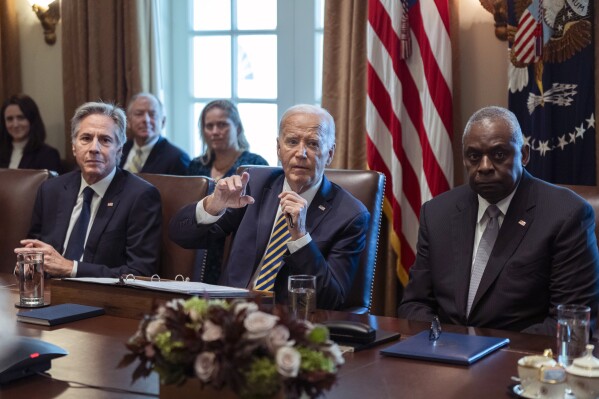
juteralabs.com – Joe Biden, the 46th President of the United States, has an extensive and storied career in foreign policy that spans over five decades. His experience as a U.S. Senator, Vice President under President Barack Obama, and now as President himself, has shaped his approach to international relations, security, diplomacy, and multilateral cooperation. Biden’s foreign policy expertise is informed by his deep understanding of global issues, his diplomatic engagement with world leaders, and his commitment to advancing U.S. interests while promoting peace, human rights, and democracy worldwide.

Biden’s foreign policy experience is rooted in his belief in the power of diplomacy, multilateralism, and strong alliances. Throughout his career, he has navigated some of the most significant challenges in U.S. foreign relations, from the wars in Iraq and Afghanistan to the rise of China as a global power. His approach to foreign policy has been marked by pragmatism, a commitment to engagement, and an understanding of the complexities of global geopolitics.

In this article, we explore Joe Biden’s extensive foreign policy experience, from his time in the Senate to his leadership as Vice President and now as President of the United States. We also examine the key themes and strategies that have defined Biden’s approach to international relations, including his advocacy for diplomacy, his commitment to alliances, and his focus on global security challenges.

Joe Biden’s Early Foreign Policy Experience in the U.S. Senate

Before becoming Vice President, Biden served as a U.S. Senator from Delaware for 36 years. During this time, he was deeply involved in foreign policy and national security issues, both as a member of the Senate Foreign Relations Committee and as its chairman. His time in the Senate was defined by his commitment to shaping U.S. foreign policy, advocating for human rights, and addressing global security challenges.

1. Chairmanship of the Senate Foreign Relations Committee

Biden’s leadership in the Senate Foreign Relations Committee was one of the cornerstones of his foreign policy career. As Chairman from 2001 to 2003 and again from 2007 to 2009, Biden played a critical role in shaping key foreign policy initiatives, particularly in relation to the Middle East, Europe, and Latin America. His work on the committee included advocating for diplomatic engagement, international cooperation, and the promotion of democratic values around the world.

In particular, Biden was instrumental in shaping U.S. foreign policy during the wars in Iraq and Afghanistan, which dominated the early 21st century. His advocacy for a diplomatic resolution to the Iraq War, as well as his support for military engagement in Afghanistan to fight terrorism, highlighted his nuanced approach to complex foreign policy issues.

2. Advocating for Human Rights and Democracy

Throughout his Senate career, Biden was a strong advocate for human rights and democratic values. He championed U.S. support for democratic movements and human rights defenders in countries around the world. His work focused on curbing authoritarianism, protecting religious freedom, and promoting freedom of expression.

Biden was also a key figure in advocating for U.S. foreign aid and international programs that supported democracy-building efforts and poverty alleviation. He played a role in passing legislation that supported the U.S. role in promoting global health, humanitarian aid, and conflict resolution.

Joe Biden’s Foreign Policy as Vice President

Biden’s foreign policy experience as Vice President under President Barack Obama was a pivotal period in his career. Serving as Obama’s chief advisor on foreign affairs, Biden played a key role in shaping the U.S. response to global crises, engaging in high-level diplomacy, and strengthening alliances around the world. His leadership in a range of international issues—from nuclear disarmament to counterterrorism—defined the Obama administration’s foreign policy legacy.

1. The Iran Nuclear Deal (Joint Comprehensive Plan of Action)

One of the defining achievements of Biden’s foreign policy tenure as Vice President was his involvement in the negotiation of the Iran Nuclear Deal, also known as the Joint Comprehensive Plan of Action (JCPOA). The deal, reached in 2015, was a diplomatic breakthrough that aimed to curb Iran’s nuclear program in exchange for sanctions relief. Biden played a central role in supporting President Obama’s push for a multilateral diplomatic solution to prevent Iran from obtaining nuclear weapons.

The Iran Nuclear Deal was praised by many as a model of diplomacy and international cooperation. Biden’s role in the negotiations highlighted his belief in the power of engagement and diplomacy over military confrontation. Despite its eventual unraveling during the Trump administration, Biden’s involvement in the JCPOA remains a hallmark of his foreign policy legacy.

2. The Withdrawal from Iraq and Afghanistan

Biden was a strong advocate for ending the U.S. military presence in Iraq and Afghanistan. His experience in navigating the complex dynamics of both wars gave him a unique perspective on the need to prioritize diplomacy and peacebuilding. Biden advocated for a responsible withdrawal of U.S. forces from Iraq, which occurred in 2011, and he was instrumental in overseeing the U.S. troop surge in Afghanistan in 2009.

Biden’s focus on diplomacy, as well as his commitment to rebuilding nations after conflict, shaped the Obama administration’s approach to both Iraq and Afghanistan. His leadership in pushing for a gradual reduction of U.S. military involvement in these countries was part of a broader vision to reduce U.S. military presence abroad while still supporting the stability of these nations through diplomatic and economic assistance.

3. Global Climate Change and International Cooperation

Biden’s time as Vice President was also marked by a strong commitment to addressing global climate change. As a key advocate for the Paris Agreement on climate change, Biden worked to ensure that the U.S. remained engaged in global efforts to combat climate change and reduce greenhouse gas emissions. His leadership in this area underscored his belief in multilateralism and the importance of international cooperation to tackle global challenges.

Biden’s commitment to addressing climate change as a foreign policy priority was a central theme during his vice presidency. He worked closely with world leaders to ensure that the U.S. played an active role in climate negotiations and that the country adhered to international agreements aimed at mitigating the effects of climate change.

Joe Biden’s Foreign Policy as President

As President of the United States, Joe Biden has continued to prioritize diplomacy, multilateralism, and the protection of democratic values on the world stage. His administration’s foreign policy is focused on rebuilding alliances, reasserting U.S. leadership, and addressing global challenges such as climate change, the COVID-19 pandemic, and the rise of authoritarianism.

1. Rebuilding U.S. Alliances and Multilateral Engagement

One of Biden’s key priorities as President has been to restore U.S. relationships with traditional allies, particularly NATO and European partners. After years of tension under the Trump administration, Biden has worked to reaffirm the U.S.’s commitment to its allies and has emphasized the importance of working through multilateral organizations like the United Nations, the World Health Organization, and the G7.

Biden’s diplomatic approach to foreign policy has been centered around building stronger partnerships with democratic nations and confronting global challenges through collective action. His “America is back” message underscores his belief that the U.S. should play a leading role in shaping global affairs, promoting peace, and advancing human rights.

2. Confronting Global Threats and Security Challenges

Biden’s foreign policy is also focused on addressing security threats such as the rise of China, Russia’s aggressive actions, and the ongoing challenges posed by terrorism. Biden has taken a firm stance on defending human rights, countering cyber threats, and addressing the security implications of China’s growing influence in Asia and beyond.

Biden’s administration has taken steps to strengthen military alliances in the Pacific, including with Japan, South Korea, and Australia, while also bolstering U.S. support for NATO’s defense of Eastern Europe in response to Russia’s actions in Ukraine and other regions. Biden has also continued the U.S. commitment to counterterrorism, particularly in the Middle East and Africa, while emphasizing the importance of working with international partners to combat extremism.

3. Advancing Global Health and Climate Action

In addition to his focus on security, Biden has placed a strong emphasis on global health and climate action. His administration has made significant efforts to rejoin the Paris Climate Agreement and has committed to taking bold steps to address climate change through international cooperation. Biden’s leadership in the global response to the COVID-19 pandemic, including supporting vaccine distribution and providing economic aid to affected nations, underscores his commitment to promoting global health and security.

Conclusion

Joe Biden’s foreign policy experience has been shaped by his decades of leadership in the U.S. Senate, his role as Vice President, and his current presidency. His approach to foreign policy is grounded in diplomacy, multilateralism, and the belief that the United States must work in partnership with other nations to address global challenges and promote peace. Throughout his career, Biden has demonstrated a deep commitment to advancing U.S. interests while championing human rights, democracy, and international cooperation.

As President, Biden’s foreign policy has emphasized rebuilding alliances, confronting security threats, and addressing issues like climate change and global health. His extensive foreign policy experience has shaped his leadership and continues to influence his approach to global diplomacy as he navigates the complexities of international relations in the 21st century.

Prophet Muhammad: Life, Mission, and Legacy

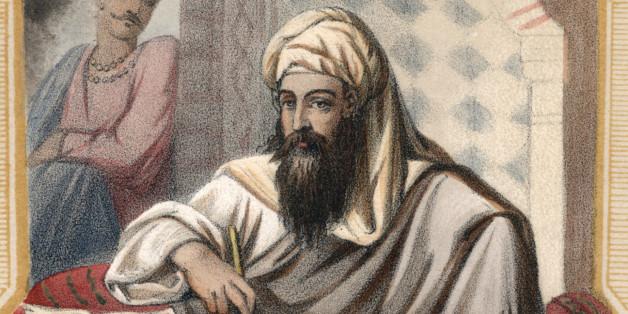
juteralabs.com – Prophet Muhammad, the final prophet in Islam, stands as one of the most influential figures in the history of humanity. His life and message have shaped not only the Arabian Peninsula but also the entire world, leaving a profound legacy that continues to influence millions of people around the globe. Muhammad’s teachings, rooted in justice, compassion, and the oneness of God, have transcended time and place, making him a central figure in the lives of over a billion Muslims.

This article aims to provide a comprehensive look at the life, mission, and lasting impact of Prophet Muhammad, highlighting the key moments of his journey and the principles that guided his actions.

Early Life and Background

Birth and Family Background

Prophet Muhammad was born in 570 CE in the city of Mecca, located in present-day Saudi Arabia. He belonged to the Quraysh tribe, a respected and powerful tribe in the region. Muhammad’s father, Abdullah, passed away before he was born, and his mother, Amina, died when he was just six years old. This left Muhammad an orphan, and he was raised by his grandfather, Abdul Muttalib, and later by his uncle, Abu Talib.

Growing up in a relatively modest household, Muhammad experienced hardship early on but was known for his honesty, integrity, and gentle nature. These qualities earned him the nickname “Al-Amin,” meaning “The Trustworthy,” even as a young man. As he matured, Muhammad worked as a merchant and soon gained a reputation for fairness and reliability in business transactions.

Marriage to Khadijah

At the age of 25, Muhammad married Khadijah, a wealthy and respected widow who was 15 years older than him. Their marriage was one of deep mutual respect, love, and support. Khadijah was the first person to believe in Muhammad’s mission when he received his first revelation and became a key supporter of his prophetic journey. Their marriage remained strong until Khadijah’s passing in 619 CE, a year Muhammad referred to as the “Year of Sorrow.”

The Revelation and Beginning of Prophethood

The First Revelation

At the age of 40, Muhammad began to spend more time in contemplation and prayer, seeking solace from the social and moral corruption he witnessed in Mecca. One night, while meditating in the Cave of Hira on Mount Jabal al-Noor, he experienced the first revelation from the Angel Jibreel (Gabriel). The angel instructed him to “Read!” or “Recite!” and delivered the initial verses of the Qur’an, which marked the beginning of Muhammad’s prophethood.

The message he received was clear: there is only one God (Allah), and Muhammad was to be His messenger to guide humanity back to righteousness. Initially, Muhammad was filled with fear and uncertainty, but Khadijah provided him with comfort and reassurance. She believed in his divine calling and took him to a Christian scholar, Waraka ibn Nawfal, who affirmed that Muhammad had been chosen as a prophet.

Early Preaching and Opposition

Following the first revelation, Muhammad began to share the message of Islam with his close family and friends. His message was one of monotheism, calling people to worship the one true God and to live lives of justice, compassion, and morality. He also emphasized the importance of helping the poor, treating women with dignity, and upholding honesty and integrity in all dealings.

However, the Quraysh tribe, which controlled Mecca, saw Muhammad’s message as a direct challenge to their power and influence. Mecca was home to the Kaaba, a sacred site that housed numerous idols worshiped by various tribes. Muhammad’s call to abandon idolatry was perceived as a threat to the religious and economic status quo, and the leaders of the Quraysh began to persecute him and his followers.

The early Muslims faced ridicule, social ostracism, and even physical torture. Despite this, the number of followers continued to grow, and Muhammad’s message began to spread beyond Mecca.

The Migration to Medina (Hijra)

The Hijra: A Turning Point

In 622 CE, as the persecution of Muslims in Mecca intensified, Muhammad and his followers faced growing threats to their safety. In response to an invitation from the people of Yathrib (later renamed Medina), Muhammad and his followers made the Hijra, a migration from Mecca to Medina. This event marked a turning point in Islamic history and is considered the beginning of the Islamic calendar.

In Medina, Muhammad was not only a spiritual leader but also a political leader and a mediator between various tribal factions. The people of Medina welcomed him as a leader who could bring unity and justice to their city. Muhammad quickly established a covenant known as the Constitution of Medina, which set out the principles of coexistence and cooperation among the various communities, including Muslims, Jews, and other Arab tribes.

Establishment of the Muslim Community

In Medina, the Muslim community grew rapidly, both in numbers and in influence. The early Muslim community, known as the Ummah, was founded on principles of mutual support, social justice, and collective responsibility. The community was bound by common religious beliefs, but it also promoted tolerance and respect for others. Muhammad’s leadership in Medina helped to establish a strong sense of unity, and his teachings became the foundation for Islamic society.

The Battles of Badr, Uhud, and the Trench

During this time, Muhammad and his followers faced several military challenges. The Quraysh tribe in Mecca sought to suppress the growing Muslim community, leading to a series of battles:

  • The Battle of Badr (624 CE): The Muslims achieved a significant victory against the Quraysh, despite being outnumbered. This battle is often seen as a divine intervention, affirming Muhammad’s mission.
  • The Battle of Uhud (625 CE): The Muslims faced a setback in this battle, as a strategic mistake led to a loss. However, Muhammad and his followers remained resolute and continued their mission.
  • The Battle of the Trench (627 CE): The Quraysh attempted to invade Medina but were thwarted by the Muslims’ clever defense, including digging a trench around the city. This victory further solidified Muhammad’s position as a leader.

The Conquest of Mecca and Final Years

The Treaty of Hudaybiyyah

In 628 CE, Muhammad and his followers attempted to perform the pilgrimage to Mecca, but they were blocked by the Quraysh. This led to the Treaty of Hudaybiyyah, a peace agreement between the Muslims and the Quraysh. Although the treaty was initially seen as unfavorable to the Muslims, it allowed them to perform the pilgrimage in the following year and provided a period of peace during which Islam could spread more freely.

The Conquest of Mecca

In 630 CE, the Quraysh violated the treaty, and Muhammad gathered an army of 10,000 Muslims to march on Mecca. The city surrendered without significant bloodshed, and Muhammad entered Mecca victorious. One of his first actions was to cleanse the Kaaba of idols and restore it as a place of monotheistic worship to Allah. The conquest of Mecca marked the triumph of Islam in the Arabian Peninsula.

The Final Sermon

In the final year of his life, in 632 CE, Muhammad performed his last pilgrimage and delivered his Farewell Sermon to the assembled Muslims. In this sermon, he summarized the core principles of Islam, including the equality of all Muslims, the sanctity of human life, the importance of justice, and the duty to treat others with kindness and respect. He also emphasized the importance of following the Qur’an and his example in all aspects of life.

Legacy of Prophet Muhammad

The Qur’an and Hadith

Prophet Muhammad’s message was preserved in the Qur’an, the holy book of Islam, which Muslims believe to be the literal word of God revealed to Muhammad over a period of 23 years. The Qur’an provides guidance on all aspects of life, including worship, morality, law, and personal conduct.

In addition to the Qur’an, the Hadith—a collection of sayings and actions of the Prophet—serves as an essential source of guidance for Muslims. Together, the Qur’an and Hadith provide a comprehensive framework for Muslims to live a righteous life, rooted in faith and ethical principles.

The Spread of Islam

Following Muhammad’s death, Islam spread rapidly beyond the Arabian Peninsula, reaching regions such as North Africa, Spain, Persia, and Central Asia. The message of Islam, with its emphasis on social justice, equality, and the worship of one God, resonated with people of diverse backgrounds.

Today, Islam is one of the largest religions in the world, with over a billion followers. Muhammad’s teachings continue to inspire Muslims in their daily lives, providing a moral and spiritual foundation for personal conduct, community building, and social justice.

The Role of Muhammad in Islamic Thought

Muslims regard Prophet Muhammad as the “Seal of the Prophets”—the final messenger in a long line of prophets that includes figures such as Abraham, Moses, and Jesus. His life and actions serve as the ultimate example for Muslims to follow, and he is seen as the perfect model of human conduct. His compassion, humility, and devotion to God are qualities that Muslims strive to embody in their own lives.

Conclusion

Prophet Muhammad’s life and message have had a profound and lasting impact on the world. His teachings of monotheism, justice, mercy, and compassion continue to resonate with millions of people today. As the final prophet in Islam, Muhammad’s role in shaping both the spiritual and social dimensions of the Islamic faith has made him one of the most important figures in human history.

Through his actions, Muhammad demonstrated the importance of moral integrity, the value of social justice, and the power of compassion and forgiveness. His life is a source of inspiration for Muslims worldwide, and his legacy continues to guide individuals and communities in their quest for righteousness and spiritual fulfillment.

Mickey Mouse: The Iconic Symbol of Disney’s Legacy

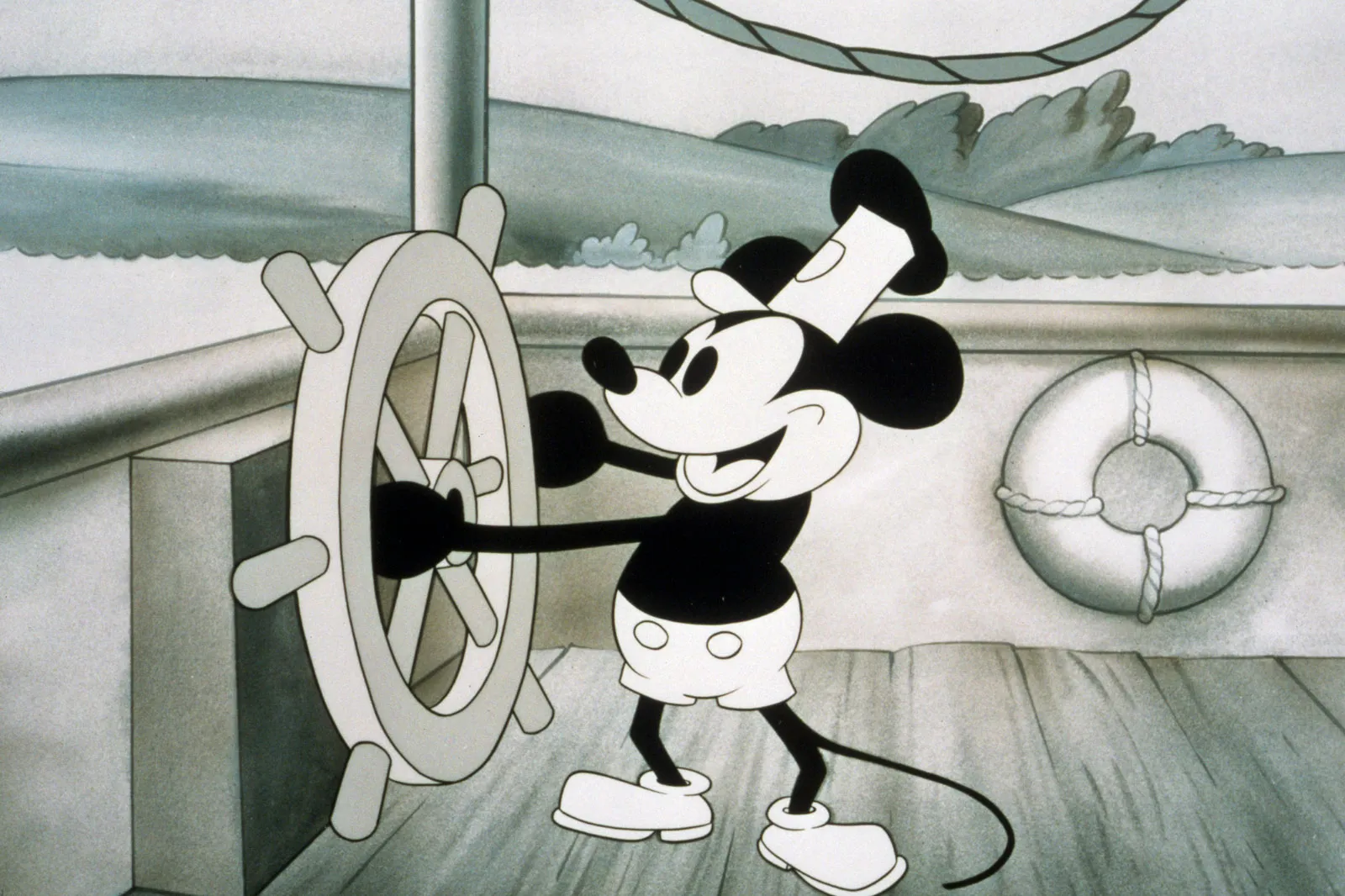
juteralabs.com – Mickey Mouse is one of the most beloved and iconic characters in pop culture history. Created by Walt Disney and Ub Iwerks, Mickey first appeared in the animated short Steamboat Willie in 1928 and quickly became the face of The Walt Disney Company. Over the decades, Mickey has evolved into a symbol of joy, imagination, and the spirit of innovation, representing Disney in various forms of media, theme parks, merchandise, and much more.

The Birth of Mickey Mouse

Mickey Mouse was born from the creative minds of Walt Disney and his close collaborator Ub Iwerks. In 1928, Disney was in the midst of a professional crisis after losing the rights to his first popular creation, Oswald the Lucky Rabbit. Determined to move forward and create a new character, Walt Disney and Iwerks came up with the idea of a mouse that would be both charming and entertaining for audiences.

The Creation of Mickey

Walt Disney wanted a character that was both appealing and relatable. They decided on a mouse because it was a common animal, easy to animate, and familiar to audiences. The first sketches of Mickey were very different from the character we know today, but as they refined the design, they created a friendly and optimistic figure who would resonate with children and adults alike.

Steamboat Willie: Mickey’s Big Debut

On November 18, 1928, Mickey Mouse made his official debut in Steamboat Willie, an animated short film that was groundbreaking in its use of synchronized sound. This short not only introduced Mickey to the world but also marked the beginning of a new era in animation. The success of Steamboat Willie propelled Mickey into stardom, and he quickly became a household name.

Mickey’s Evolution Over the Years

Since his debut, Mickey Mouse has undergone several changes, both in terms of his physical appearance and his role in media. While his classic look has remained largely the same, there have been subtle updates to his design and personality over time.

Early Days: The 1930s and 1940s

During the 1930s and 1940s, Mickey’s character was developed further in a series of shorts. He was portrayed as an adventurous, mischievous, and optimistic character who often found himself in various comedic situations. These early cartoons helped solidify Mickey as a symbol of the Disney brand.

The 1950s and Beyond: Mickey as a Cultural Icon

In the 1950s, Mickey Mouse became more than just a cartoon character; he became a cultural icon. His image appeared on merchandise, in theme parks, and in television specials. Mickey’s role in Disney’s expanding empire made him a key figure in the entertainment industry, embodying the magic and imagination that Disney was known for.

Mickey in the Modern Era

Today, Mickey Mouse is recognized around the world. He has evolved with the times, appearing in everything from new animated series to live-action films and digital media. Despite the changes, Mickey remains a timeless character, staying true to his roots while adapting to new technologies and trends.

Mickey Mouse: The Face of Disney

Mickey Mouse has long been considered the mascot of The Walt Disney Company, representing its values of creativity, entertainment, and joy. He appears in theme parks, on merchandise, in television shows, and even in the corporate logo of Disney itself. His image has become synonymous with magic, wonder, and the power of storytelling.

Mickey’s Role in Disney Theme Parks

One of the most significant aspects of Mickey’s legacy is his presence in Disney theme parks around the world. From Disneyland in California to Walt Disney World in Florida, Mickey Mouse is a central figure in the park experience. Visitors flock to meet Mickey, take pictures, and see him in parades and live performances. Mickey’s role in these parks enhances the immersive experience that Disney is known for.

Mickey and Merchandise

Mickey Mouse has also become a global brand, with his image appearing on an array of merchandise. From toys and clothing to collectibles and home goods, Mickey’s presence in the marketplace is a testament to his enduring popularity. Disney has leveraged Mickey’s image to create a billion-dollar merchandising empire, making him one of the most recognizable characters worldwide.

The Cultural Impact of Mickey Mouse

Mickey Mouse has left an indelible mark on popular culture. He has appeared in countless films, television shows, and advertisements. Over the decades, Mickey has transcended the realm of cartoons to become a symbol of happiness, optimism, and creativity.

Mickey as a Cultural Symbol

Mickey’s influence stretches far beyond the entertainment industry. He has been used in political cartoons, fashion, art, and even social movements. His image evokes a sense of nostalgia and innocence, and his enduring popularity makes him a cultural touchstone for multiple generations.

Mickey and Disney’s Legacy

Mickey Mouse is not just the face of Disney; he is also the embodiment of the company’s ethos. His creation marked the beginning of a creative revolution in animation, and he continues to serve as a bridge between past and present. Mickey represents the heart and soul of Disney’s commitment to storytelling, imagination, and innovation.

Conclusion

Mickey Mouse has stood the test of time, becoming more than just a cartoon character—he is a symbol of joy, creativity, and Disney’s legacy. From his humble beginnings in Steamboat Willie to his status as a global icon, Mickey’s impact on the entertainment world is immeasurable. As Disney continues to evolve, Mickey Mouse will undoubtedly remain at the center of its creative endeavors, inspiring generations to come.