
Sumy Oblast: Natural Beauty in Northeastern Ukraine

juteralabs.com – Sumy Oblast, located in the northeastern part of Ukraine, is a region celebrated for its rich history, cultural heritage, and picturesque landscapes. Bordered by Russia to the north and east, this oblast offers a unique blend of historical significance and natural splendor, making it a captivating area with much to explore.

Geography and Climate

Sumy Oblast covers an area of approximately 23,800 square kilometers, characterized by a diverse topography that includes rolling hills, fertile plains, and extensive forested areas. The region is crisscrossed by several rivers, including the Desna, Psel, and Sula, which contribute to its agricultural productivity. The climate is temperate continental, with cold winters and warm summers, providing favorable conditions for farming and outdoor activities.

History and Development

The history of Sumy Oblast is deeply rooted in the ancient cultures and civilizations that have inhabited the area. Archaeological findings indicate that the region was settled as far back as the Bronze Age. Throughout its history, Sumy has been influenced by various powers, including the Kyivan Rus’, the Polish-Lithuanian Commonwealth, and the Russian Empire.

The city of Sumy, the oblast’s administrative center, was founded in the mid-17th century as a fortress to protect against Tatar invasions. Over time, it evolved into a vibrant trade and cultural center, playing a significant role in the region’s development. Today, Sumy Oblast retains its historical charm while embracing modern growth and innovation.

Economy and Industry

The economy of Sumy Oblast is diverse, with key sectors including agriculture, manufacturing, and energy. The region’s fertile soils support the cultivation of grains, sugar beets, and potatoes, making agriculture a cornerstone of the local economy. In addition, Sumy is home to several industrial enterprises, including machinery and chemical manufacturing, contributing to its economic vitality.

In recent years, the oblast has also focused on renewable energy, with initiatives to harness wind and solar power. This shift towards sustainability reflects the region’s commitment to balancing economic growth with environmental stewardship.

Culture and Tourism

Sumy Oblast boasts a rich cultural heritage, with numerous historical sites, museums, and cultural events that celebrate its diverse past. The city of Sumy features architectural landmarks such as the Holy Resurrection Cathedral and the Transfiguration Cathedral, showcasing the region’s religious and cultural history.

Tourism in Sumy Oblast is enriched by its natural beauty and historical attractions. Visitors can explore the enchanting landscapes of the Hetman National Nature Park or visit the Trostianets Arboretum, known for its diverse plant species and scenic beauty. The oblast’s cultural scene is vibrant, with festivals, music, and traditional crafts offering a glimpse into the local way of life.

In summary, Sumy Oblast is a region that harmoniously blends historical heritage with natural beauty and economic growth. Its strategic location, coupled with a commitment to preserving its cultural and environmental assets, makes it a significant and cherished part of Ukraine’s national identity.

Malang City: The Cultural and Natural Gem of East Java

juteralabs.com – Malang, a vibrant city located in East Java, Indonesia, is renowned for its cool climate, stunning landscapes, and rich cultural heritage. Nestled between towering volcanoes and lush greenery, Malang offers a unique blend of natural beauty and urban charm, making it a popular destination for both domestic and international travelers.

Historical Background

Malang’s history dates back to ancient times, with its roots deeply embedded in the Hindu-Buddhist kingdoms that once flourished in the region. The city’s strategic location made it an important center for trade and culture during the Majapahit Empire. Later, during the Dutch colonial era, Malang became a favored retreat for Europeans, leading to the development of its distinct colonial architecture, which can still be seen today.

Cultural and Natural Attractions

The city is home to a variety of attractions that highlight its cultural and natural diversity. One of the main cultural sites is the Singosari Temple, a relic of the ancient Singosari Kingdom, offering insight into the region’s rich history. Malang is also known for its vibrant art scene, with numerous galleries and museums showcasing local talent.

Nature lovers will find plenty to explore in Malang’s surroundings. The city serves as a gateway to the majestic Mount Bromo, one of Indonesia’s most famous volcanoes, known for its breathtaking sunrise views. Additionally, the cool highlands and tea plantations of Batu, a nearby town, provide a refreshing escape from the urban hustle.

Modern Developments and Economy

Today, Malang is a bustling city with a growing economy, driven by agriculture, education, and tourism. The city is home to several prestigious universities, making it an educational hub in East Java. Malang’s economy is further supported by its agricultural produce, particularly apples and other fruits, which are popular throughout Indonesia.

Conclusion

Malang City, with its unique combination of cultural heritage and natural wonders, offers something for everyone. Whether you’re exploring its historical sites, enjoying the scenic landscapes, or immersing yourself in the local culture, Malang provides an enriching experience. As the city continues to develop and thrive, it remains a captivating destination that reflects the diverse beauty of East Java.

The Wildlife and Natural Reserves of Pakistan

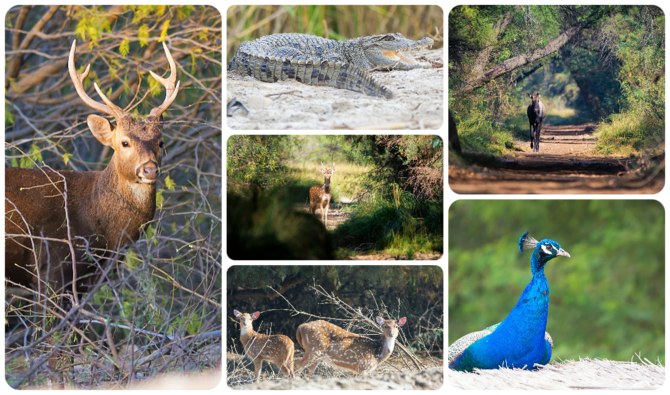
juteralabs.com – Pakistan, with its diverse ecosystems ranging from arid deserts to lush forests and towering mountains, is home to a remarkable array of wildlife. The country’s natural reserves and national parks protect these diverse habitats, offering a sanctuary for numerous species and a haven for nature enthusiasts. This article explores the rich wildlife and stunning natural reserves of Pakistan.

The Majestic Himalayas and the Karakoram Range

The northern regions of Pakistan boast the majestic Himalayas and the Karakoram Range, which provide a critical habitat for some of the world’s most elusive and endangered species. The snow leopard, a symbol of the country’s rich biodiversity, roams these high-altitude areas. The Deosai National Park, known as the “Land of Giants,” is home to the Himalayan brown bear, ibex, and golden marmots, offering a unique wildlife experience.

The Diverse Landscapes of the Indus Delta

The Indus Delta, located in the southern part of Pakistan, is a vital ecosystem that supports a wide variety of flora and fauna. The mangrove forests of the Indus Delta serve as breeding grounds for fish and shrimp and are home to diverse bird species. The Indus River Dolphin, one of the world’s rarest freshwater dolphins, can be found in this region, highlighting the delta’s ecological importance.

The Rich Biodiversity of the Cholistan Desert

The Cholistan Desert, stretching across the southeastern part of Pakistan, is a unique landscape that supports a surprising variety of wildlife. The desert is home to species such as the Indian gazelle (chinkara), desert fox, and a wide range of reptiles and birds. The Lal Suhanra National Park, located on the edge of the desert, is a protected area that conserves this unique ecosystem and its inhabitants.

Protecting Endangered Species in the Margalla Hills

The Margalla Hills National Park, located near Islamabad, is a sanctuary for wildlife and a popular destination for nature lovers. The park’s diverse habitats support species such as the Indian leopard, barking deer, and a variety of bird species. Conservation efforts in the park focus on protecting these species and maintaining the ecological balance of the region.

The Marine Life of Pakistan’s Coastal Areas

Pakistan’s coastline, stretching along the Arabian Sea, is rich in marine biodiversity. The Astola Island, Pakistan’s first marine protected area, provides a critical habitat for sea turtles, including the endangered green turtle and olive ridley turtle. The coastal waters are also home to a variety of fish, dolphins, and coral reefs, making it a fascinating destination for marine exploration.

Conclusion

The wildlife and natural reserves of Pakistan offer a glimpse into the country’s rich biodiversity and the efforts to protect it. From the towering peaks of the north to the coastal waters of the south, Pakistan’s diverse ecosystems are home to a wide variety of species, some of which are found nowhere else on Earth. These natural reserves not only preserve the country’s ecological heritage but also provide opportunities for ecotourism and education, fostering a deeper appreciation for the natural world.

From Mountains to Lakes: Switzerland’s Natural Wonders

juteralabs.com – Nestled in the heart of Europe, Switzerland is renowned for its stunning natural landscapes, which range from towering mountain peaks to serene alpine lakes. This article takes a journey through some of the country’s most awe-inspiring natural wonders, highlighting the diverse beauty that makes Switzerland a paradise for nature lovers.

The Majesty of the Swiss Alps

The Swiss Alps are the crown jewel of the country’s natural heritage, featuring some of the highest peaks in Europe. The Matterhorn, with its distinctive pyramidal shape, is perhaps the most iconic, drawing visitors from around the world. Other notable mountains include the Jungfrau and the Eiger, which offer not only breathtaking views but also opportunities for adventure, such as mountaineering and skiing.

Glacial Treasures: Switzerland’s Ice Giants

Switzerland is home to numerous glaciers, with the Aletsch Glacier being the largest in the Alps. These natural ice rivers are not only a testament to the region’s geological history but also a source of wonder for visitors. The Morteratsch Glacier near the Bernina massif and the Trift Glacier near the Matterhorn are among the other glacial attractions that offer both scenic beauty and educational insights into climate change.

Crystal-Clear Lakes: Reflections of the Alpine Sky

Switzerland’s lakes are as varied as they are beautiful, with each one offering a unique experience. The Lake Geneva, with its clear waters and surrounding vineyards, is a hub of cultural and recreational activities. The Lake Zurich, on the other hand, is known for its picturesque shoreline dotted with historic mansions. The Lake Lucerne, with its dramatic mountain backdrop, is another gem, offering boat cruises that provide a glimpse into the country’s natural and cultural heritage.

Waterfalls and Gorges: The Raw Power of Nature

Beyond mountains and lakes, Switzerland’s natural wonders include spectacular waterfalls and gorges. The Rhine Falls, located near Schaffhausen, is the largest plain waterfall in Europe, impressing visitors with its thunderous power. The Lauterbrunnen Valley is home to over 70 waterfalls, including the Staubbach Fall, which cascades down from a sheer cliff. The Verzasca Dam, famous for its turquoise reservoir and the James Bond stunt in “GoldenEye,” is another must-visit site, offering bungee jumping for the adventurous.

National Parks and Protected Areas

Switzerland’s commitment to preserving its natural beauty is evident in its national parks and protected areas. The Swiss National Park in Graubünden is the oldest in the Alps, offering a pristine wilderness where flora and fauna thrive. The Jungfrau-Aletsch protected area, a UNESCO World Heritage site, is another example of Switzerland’s dedication to conservation, providing a habitat for a wide range of alpine species.

Conclusion: A Natural Paradise Awaits

Switzerland’s natural wonders are a testament to the country’s commitment to preserving its environment while offering visitors a glimpse into the raw beauty of the Alps. From the majestic peaks of the Swiss Alps to the serene waters of its lakes, Switzerland invites exploration and appreciation of its unparalleled natural heritage. Whether seeking adventure, relaxation, or education, Switzerland’s natural wonders promise an unforgettable experience for all who visit.