Pico Humboldt: A Majestic Andean Peak – A Serene Giant

juteralabs.com – Pico Humboldt, the second-highest peak in Venezuela, stands tall at 4,940 meters (16,207 feet). This majestic mountain, part of the Sierra Nevada de Mérida, offers a breathtaking sight and a challenging adventure for experienced climbers.   

A Natural Wonder

The ascent to Pico Humboldt is a journey through diverse ecosystems, from lush cloud forests to alpine tundra. The lower slopes are covered in vibrant vegetation, while the higher elevations are characterized by rocky terrain and sparse vegetation. As climbers ascend higher, the air becomes thinner, and the temperature drops significantly.

A Climber’s Challenge

For experienced climbers, Pico Humboldt is a coveted challenge. The ascent requires technical skills, physical fitness, and the ability to withstand harsh weather conditions. The peak is often shrouded in clouds, making navigation difficult and increasing the risk of altitude sickness.

However, the rewards of reaching the summit are immense. From the peak, climbers are treated to panoramic views of the surrounding mountains, valleys, and distant plains. The feeling of accomplishment and the breathtaking scenery make the arduous climb worthwhile.

A Fragile Ecosystem

Pico Humboldt is a fragile ecosystem, and its delicate balance is threatened by climate change and human activity. The mountain’s glaciers, which have been shrinking in recent years, are a vital source of water for the region. As the glaciers retreat, the local water supply is at risk.   

To preserve this natural wonder, it is essential to promote sustainable tourism and to protect the mountain’s ecosystem. By limiting human impact and implementing conservation measures, we can ensure that Pico Humboldt remains a majestic landmark for generations to come.

A Hidden Gem

While Pico Bolívar often steals the spotlight, Pico Humboldt offers a quieter, more serene climbing experience. For those seeking a less crowded and more challenging ascent, Pico Humboldt is an excellent choice. The mountain’s remote location and stunning beauty make it a hidden gem for adventurous climbers.

Córdoba: A Vibrant Corner of the Colombian Caribbean

Montería: The Heart of the Sinú Valley

juteralabs.com – Córdoba, a department nestled on Colombia’s Caribbean coast, is a region known for its vibrant culture, stunning landscapes, and rich history. Its capital city, Montería, is a bustling metropolis that offers a unique blend of urban convenience and natural beauty.

A Tropical Paradise

Montería, a city surrounded by lush greenery and crisscrossed by rivers, is a tropical paradise.

  • Sinú River: This majestic river flows through the city, offering opportunities for fishing, boating, and birdwatching.
  • Tropical Rainforest: The dense rainforest surrounding Montería is home to a diverse range of wildlife, including monkeys, sloths, and exotic birds.

A Cultural Tapestry

Córdoba’s rich cultural heritage is influenced by its African, indigenous, and Spanish roots.

  • African Influence: The region’s African heritage is evident in its music, dance, and cuisine.
  • Indigenous Communities: The Zenú indigenous community has inhabited the region for centuries, preserving their unique cultural traditions.

Adventure in the Rainforest

Córdoba offers a plethora of outdoor activities for adventure seekers.

  • Jungle Trekking: Embark on guided treks through the rainforest, where you can spot exotic wildlife and learn about the intricate ecosystem.
  • River Rafting: Experience the thrill of white-water rafting on the Sinú River.
  • Beach Paradise: The department’s coastline boasts beautiful beaches, perfect for swimming, sunbathing, and surfing.

A Culinary Delight

Córdoba’s cuisine is a fusion of African, indigenous, and Spanish influences.

  • Seafood: Fresh seafood, such as shrimp, crab, and fish, is a staple of the local diet.
  • Sancocho de Pescado: A delicious fish soup made with a variety of fish, vegetables, and spices.
  • Arepas: Corn cakes that can be filled with a variety of ingredients, such as cheese, meat, or avocado.

Norðurland vestra: Iceland’s Northwestern Frontier

juteralabs.com – Norðurland vestra, or Northwest Iceland, is a region of dramatic landscapes, historic sites, and vibrant culture. Characterized by its rugged mountains, deep fjords, and pristine wilderness, this region offers a unique blend of natural beauty and cultural heritage.

Sauðárkrókur: A Charming Town

Sauðárkrókur, the largest town in Norðurland vestra, is a vibrant community with a rich history. The town’s picturesque location, surrounded by mountains and fjords, makes it a popular destination for visitors.

  • The Settlement Center: This interactive museum brings the Viking Age to life, showcasing the history of Iceland’s settlement.
  • The Icelandic Agricultural Museum: This museum offers insights into the history of Icelandic agriculture, including traditional farming practices and tools.
  • The Hofsós Cultural Center: This modern cultural center features a unique swimming pool with panoramic views of the fjord.

Outdoor Adventures

Norðurland vestra offers a wide range of outdoor activities for adventure seekers.

  • Hiking: The region’s diverse landscapes, from rugged mountains to serene valleys, provide endless opportunities for hiking and trekking.
  • Fishing: The pristine waters of the North Atlantic offer excellent fishing opportunities, with a variety of species, including cod, haddock, and salmon.
  • Birdwatching: The region’s diverse birdlife, including seabirds, waterfowl, and raptors, attracts birdwatchers from around the world.
  • Horseback Riding: Explore the stunning landscapes of Norðurland vestra on horseback.

A Glimpse into the Past

The region’s rich history is evident in its many historic sites. Visitors can explore ancient ruins, Viking-era settlements, and historic churches. The Hólar Heritage Site, a former medieval bishopric, is a particularly significant historical site.

A Taste of Icelandic Culture

Norðurland vestra offers a taste of authentic Icelandic culture, with traditional music, folklore, and cuisine. Visitors can enjoy local delicacies, such as lamb, fish, and skyr, and experience the warm hospitality of the locals.

Conclusion

Norðurland vestra is a region of stunning natural beauty, rich history, and vibrant culture. Whether you’re seeking outdoor adventure, cultural experiences, or simply a peaceful retreat, this region has something to offer everyone.

Sumy Oblast: Natural Beauty in Northeastern Ukraine

juteralabs.com – Sumy Oblast, located in the northeastern part of Ukraine, is a region celebrated for its rich history, cultural heritage, and picturesque landscapes. Bordered by Russia to the north and east, this oblast offers a unique blend of historical significance and natural splendor, making it a captivating area with much to explore.

Geography and Climate

Sumy Oblast covers an area of approximately 23,800 square kilometers, characterized by a diverse topography that includes rolling hills, fertile plains, and extensive forested areas. The region is crisscrossed by several rivers, including the Desna, Psel, and Sula, which contribute to its agricultural productivity. The climate is temperate continental, with cold winters and warm summers, providing favorable conditions for farming and outdoor activities.

History and Development

The history of Sumy Oblast is deeply rooted in the ancient cultures and civilizations that have inhabited the area. Archaeological findings indicate that the region was settled as far back as the Bronze Age. Throughout its history, Sumy has been influenced by various powers, including the Kyivan Rus’, the Polish-Lithuanian Commonwealth, and the Russian Empire.

The city of Sumy, the oblast’s administrative center, was founded in the mid-17th century as a fortress to protect against Tatar invasions. Over time, it evolved into a vibrant trade and cultural center, playing a significant role in the region’s development. Today, Sumy Oblast retains its historical charm while embracing modern growth and innovation.

Economy and Industry

The economy of Sumy Oblast is diverse, with key sectors including agriculture, manufacturing, and energy. The region’s fertile soils support the cultivation of grains, sugar beets, and potatoes, making agriculture a cornerstone of the local economy. In addition, Sumy is home to several industrial enterprises, including machinery and chemical manufacturing, contributing to its economic vitality.

In recent years, the oblast has also focused on renewable energy, with initiatives to harness wind and solar power. This shift towards sustainability reflects the region’s commitment to balancing economic growth with environmental stewardship.

Culture and Tourism

Sumy Oblast boasts a rich cultural heritage, with numerous historical sites, museums, and cultural events that celebrate its diverse past. The city of Sumy features architectural landmarks such as the Holy Resurrection Cathedral and the Transfiguration Cathedral, showcasing the region’s religious and cultural history.

Tourism in Sumy Oblast is enriched by its natural beauty and historical attractions. Visitors can explore the enchanting landscapes of the Hetman National Nature Park or visit the Trostianets Arboretum, known for its diverse plant species and scenic beauty. The oblast’s cultural scene is vibrant, with festivals, music, and traditional crafts offering a glimpse into the local way of life.

In summary, Sumy Oblast is a region that harmoniously blends historical heritage with natural beauty and economic growth. Its strategic location, coupled with a commitment to preserving its cultural and environmental assets, makes it a significant and cherished part of Ukraine’s national identity.

Ismailia: The City of Beauty and Enchantment

juteralabs.com – Nestled on the west bank of the Suez Canal, Ismailia is a city that captivates with its charm and strategic significance. Often referred to as the “City of Beauty and Enchantment,” Ismailia offers a unique blend of history, culture, and natural beauty. This article explores the city’s origins, cultural landmarks, and modern attractions that make Ismailia a distinctive destination in Egypt.

Historical Background

The Founding of Ismailia

Ismailia was officially founded in 1863 during the construction of the Suez Canal. Named after Khedive Ismail, the city was designed as a residence for the canal’s engineers and workers. Its strategic location made it a pivotal point in Egypt’s modern history, especially during the canal’s construction and subsequent geopolitical events.

Role in the Suez Canal

The city played a crucial role during the construction of the Suez Canal, one of the world’s most important maritime routes. Ismailia’s development was closely tied to the canal, serving as a hub for administration and logistics during the project and beyond.

Cultural Significance

Architectural Heritage

Ismailia is renowned for its colonial architecture, with buildings that reflect the European influences of the 19th century. The city’s streets are lined with charming villas and historical structures that tell the story of its cosmopolitan past.

Festivals and Cultural Events

The city hosts various cultural events and festivals that celebrate its heritage and diversity. The Ismailia International Film Festival for Documentaries and Shorts is a notable event that attracts filmmakers and audiences from around the world, showcasing the city’s vibrant cultural scene.

Modern Ismailia

Economic and Social Life

Ismailia is a thriving city with a diverse economy. While the Suez Canal remains a central feature, the city has developed industries in agriculture, manufacturing, and services. This economic diversity supports a vibrant social life, with bustling markets, cafes, and cultural venues.

Tourist Attractions

Ismailia offers numerous attractions for visitors. Lake Timsah, also known as Crocodile Lake, is a popular spot for water activities and relaxation. The city’s museums, including the Ismailia Museum, offer insights into its rich history. Additionally, the lush gardens and parks provide serene retreats for residents and tourists alike.

Conclusion

Ismailia stands as a testament to Egypt’s historical depth and modern progress. Its strategic location, historical significance, and cultural vibrancy make it a unique and attractive destination. Whether exploring its architectural heritage, enjoying its natural beauty, or participating in its cultural events, Ismailia offers a captivating experience that reflects the essence of Egypt’s past and present.

Discovering Roi Et: The Heart of Isan Culture

juteralabs.com – Roi Et is a charming province located in the northeastern region of Thailand, known as Isan. This province is celebrated for its rich cultural heritage, vibrant festivals, and welcoming local communities. Roi Et offers a glimpse into the traditional way of life in Isan, making it a captivating destination for travelers seeking an authentic Thai experience.

Historical and Cultural Heritage

Roi Et has a long history that is reflected in its numerous temples and historical sites. One of the most iconic landmarks is Wat Burapha Phiram, which houses one of the tallest standing Buddha statues in Thailand. The province is also home to several ancient Khmer-style temples, showcasing the region’s historical connections.

Festivals and Traditions

The province is famous for its colorful festivals, which are deeply rooted in local traditions. One of the most notable events is the Bun Phawet Festival, a religious celebration that includes processions, merit-making activities, and traditional performances. These festivals provide a wonderful opportunity for visitors to engage with the local culture and experience the warmth and hospitality of the Roi Et people.

Natural Beauty and Attractions

Roi Et is not only rich in culture but also blessed with natural beauty. The province features serene parks and lakes, such as Bueng Phlan Chai, a large lake in the city center that serves as a popular recreational area for locals and tourists alike. Additionally, the surrounding countryside offers picturesque landscapes and opportunities for outdoor activities.

Conclusion

Roi Et is a province that beautifully combines cultural heritage with natural charm. Whether you’re exploring its historical temples, participating in vibrant festivals, or enjoying the peaceful natural surroundings, Roi Et offers a unique and enriching experience. It is a destination that invites travelers to delve into the heart of Isan culture and discover the warmth of its people.

Chachoengsao: A Charming Province in Eastern Thailand

juteralabs.com – Chachoengsao, often referred to as “Paet Riu,” is a delightful province in eastern Thailand that offers a blend of historical intrigue, cultural richness, and scenic beauty. While it may not be as widely known as some of Thailand’s other provinces, Chachoengsao promises a unique and enriching experience for those who explore its treasures. This article provides an insight into the province’s history, attractions, and local culture.

Historical Background

A Province with a Rich Past

Chachoengsao has a rich historical background that dates back to the Ayutthaya period. The province has long been an important agricultural and trading hub due to its strategic location along the Bang Pakong River. Its historical significance is evident in the numerous temples and ancient sites scattered throughout the region.

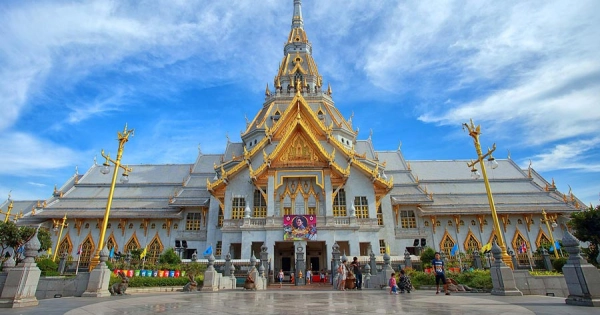
Wat Sothon Wararam Worawihan

One of the most iconic landmarks in Chachoengsao is Wat Sothon Wararam Worawihan. This revered temple is home to the highly venerated Luang Pho Sothon Buddha image. Pilgrims from all over Thailand visit the temple to pay their respects and seek blessings, making it a spiritual center of the province.

Natural Attractions

The Bang Pakong River

The Bang Pakong River is central to life in Chachoengsao. The river not only supports the local agriculture but also offers scenic views and opportunities for leisurely boat rides. The riverbanks are dotted with traditional Thai houses and lush greenery, providing a peaceful escape from urban life.

Khao Hin Son Agricultural Extension and Development Center

For nature enthusiasts, the Khao Hin Son Agricultural Extension and Development Center is a must-visit. This center showcases sustainable agricultural practices and offers visitors a chance to learn about innovative farming techniques. The surrounding area is a haven of natural beauty, with rolling hills and verdant landscapes.

Cultural Experiences

Local Festivals and Events

Chachoengsao is known for its vibrant festivals and cultural events. The annual Sweet Grapes Fair, held in March, celebrates the province’s famous grape harvest. The event features grape-tasting, agricultural exhibitions, and cultural performances, drawing visitors from near and far.

Traditional Markets

Exploring the local markets is a great way to immerse yourself in the culture of Chachoengsao. The Talad Klong Suan Roi Pee Market is a historical market that dates back over a century. Here, visitors can find a variety of local goods, traditional snacks, and handmade crafts, all while experiencing the charm of a bygone era.

Conclusion

Chachoengsao is a province that beautifully combines historical significance, natural allure, and cultural richness. From its revered temples and scenic river to its lively festivals and traditional markets, Chachoengsao offers a diverse array of experiences for travelers. Whether you’re seeking spiritual enrichment, natural beauty, or a taste of local life, Chachoengsao is a destination that promises to captivate and inspire.

Norway’s Coastal Wonders: A Maritime Adventure

juteralabs.com – Norway’s coastline is a marvel of natural beauty and diverse landscapes, stretching over 100,000 kilometers and dotted with picturesque islands, dramatic cliffs, and charming fishing villages. This maritime wonderland offers a unique blend of stunning scenery, rich history, and vibrant marine life, making it an ideal destination for those seeking adventure and exploration.

The Scenic Beauty of Norway’s Coastline

Norway’s coast is characterized by its rugged terrain and breathtaking vistas. The coastline is a complex tapestry of fjords, archipelagos, and sandy beaches, each offering its own unique allure. The Lofoten Islands, for example, are renowned for their dramatic peaks and serene fishing villages, while the beaches in the south boast golden sands and crystal-clear waters.

Rich Maritime History

Viking Heritage

Norway’s maritime history is deeply intertwined with its Viking heritage. The Vikings were legendary seafarers, and their legacy is evident throughout the coastal regions. Visitors can explore ancient Viking shipyards, museums, and burial mounds that provide insights into this fascinating era of exploration and conquest.

Historic Coastal Towns

Norway’s coastal towns are steeped in history and charm. Bergen, with its colorful wooden houses and bustling harbor, offers a glimpse into the country’s rich seafaring past. Similarly, Ålesund is famous for its Art Nouveau architecture and panoramic views of the surrounding fjords.

Marine Life and Ecosystems

Norway’s coastal waters are teeming with marine life, making them a haven for wildlife enthusiasts. The cold, nutrient-rich waters support a diverse array of species, including whales, seals, and seabirds. Birdwatchers flock to the coast to observe puffins, eagles, and other avian species in their natural habitats.

Coastal Activities and Adventures

Sailing and Cruising

One of the best ways to experience Norway’s coastal wonders is by sea. Sailing and cruising along the coast allow visitors to explore hidden coves, remote islands, and majestic fjords. The famous Hurtigruten coastal voyage offers a unique perspective on the country’s maritime landscapes, stopping at numerous ports along the way.

Fishing and Seafood

Fishing is an integral part of Norwegian culture, and the coast offers abundant opportunities for both recreational and commercial fishing. Visitors can try their hand at fishing or indulge in the country’s renowned seafood cuisine, which includes delicacies like fresh salmon, cod, and king crab.

Hiking and Exploration

The coastline is also a paradise for hikers and outdoor enthusiasts. Numerous trails wind through coastal landscapes, offering stunning views and opportunities to explore Norway’s natural beauty up close. From the dramatic cliffs of Preikestolen to the serene paths of the Jæren coastline, there are trails for all skill levels.

Conclusion

Norway’s coastal wonders offer a maritime adventure like no other, combining natural beauty, rich history, and vibrant marine life. Whether you’re sailing through fjords, exploring historic towns, or hiking along rugged coastlines, Norway’s coast promises an unforgettable journey filled with discovery and awe-inspiring scenery.

Teknologi Jepang: Robot dan Kecerdasan Buatan (AI)

juteralabs – Jepang dikenal sebagai salah satu negara terdepan dalam inovasi teknologi, terutama dalam bidang robotika dan kecerdasan buatan (AI). Kombinasi antara budaya yang menghargai teknologi dan penelitian yang intensif menjadikan Jepang pusat pengembangan berbagai jenis robot yang digunakan di berbagai sektor, mulai dari industri hingga layanan publik.

Sejarah robotika di Jepang dimulai pada awal abad ke-20, tetapi perkembangan pesat mulai terlihat pada tahun 1970-an dengan diperkenalkannya robot industri. Robot-robot ini dirancang untuk melakukan tugas-tugas repetitif di pabrik, yang mengurangi kebutuhan tenaga kerja manusia dan meningkatkan efisiensi produksi. Salah satu robot terkenal dari Jepang adalah ASIMO, yang dikembangkan oleh Honda. ASIMO merupakan robot humanoid yang dirancang untuk membantu manusia dalam berbagai aktivitas.

Jenis-jenis Robot di Jepang

  1. Robot Industri
    • Digunakan di pabrik untuk melakukan tugas-tugas seperti pengelasan, perakitan, dan pengepakan. Robot ini membantu meningkatkan efisiensi dan mengurangi kesalahan manusia.
  2. Robot Layanan
    • Robot yang dirancang untuk berinteraksi dengan manusia dalam konteks layanan, seperti robot pelayanan di restoran, hotel, dan rumah sakit. Contohnya adalah robot Pepper yang dapat mengenali wajah dan berinteraksi dengan pengunjung.
  3. Robot Sosial
    • Robot ini berfokus pada interaksi sosial dan emosional dengan manusia. Mereka sering digunakan dalam konteks perawatan lansia atau terapi, seperti robot PARO yang menyerupai bayi singa laut.
  4. Robot Pendidikan
    • Digunakan di sekolah-sekolah untuk membantu siswa belajar. Robot seperti Qobo dapat berfungsi sebagai tutor yang interaktif.

Kecerdasan Buatan (AI) di Jepang

Kecerdasan buatan juga menjadi fokus utama dalam inovasi teknologi di Jepang. AI digunakan untuk meningkatkan efisiensi berbagai sistem, mulai dari transportasi hingga layanan kesehatan.

  1. AI dalam Transportasi
    • Jepang telah mengembangkan sistem transportasi pintar, termasuk kereta peluru yang menggunakan AI untuk mengoptimalkan jadwal dan meningkatkan keselamatan.
  2. AI dalam Kesehatan
    • Teknologi AI digunakan untuk mendiagnosis penyakit dan memberikan perawatan yang lebih efektif. Beberapa rumah sakit di Jepang menggunakan AI untuk menganalisis data pasien dan memberikan rekomendasi pengobatan.
  3. AI dalam Manufaktur
    • Dalam industri manufaktur, AI digunakan untuk memprediksi kegagalan mesin dan mengoptimalkan proses produksi, yang membantu mengurangi biaya dan meningkatkan kualitas produk.

Tantangan dan Masa Depan

Meskipun Jepang telah membuat kemajuan besar dalam bidang robotika dan AI, ada beberapa tantangan yang perlu diatasi. Salah satunya adalah masalah etika, seperti bagaimana robot dan AI berinteraksi dengan manusia dan tanggung jawab jika terjadi kesalahan. Selain itu, Jepang juga menghadapi masalah demografi, dengan populasi yang menua dan kekurangan tenaga kerja, sehingga robot dan AI diharapkan dapat mengisi kekosongan tersebut.

Masa depan teknologi Jepang di bidang robotika dan AI terlihat cerah. Dengan terus berinvestasi dalam penelitian dan pengembangan, situs slot jepang berpotensi untuk tetap menjadi pemimpin global dalam inovasi teknologi. Penggunaan robot dan AI diharapkan akan semakin meluas, menciptakan lingkungan yang lebih efisien dan mendukung kehidupan manusia.

Teknologi Jepang dalam bidang robotika dan kecerdasan buatan menunjukkan kemajuan yang signifikan dan memberikan dampak positif dalam berbagai sektor. Dengan terus mengembangkan teknologi ini, Jepang tidak hanya akan meningkatkan efisiensi industri tetapi juga menciptakan solusi untuk tantangan sosial yang dihadapi oleh masyarakat. Seiring dengan berkembangnya teknologi, tantangan baru akan muncul, namun Jepang tetap berkomitmen untuk menjadi pionir dalam inovasi dan kemajuan teknologi.

The Euromaidan Movement: Ukraine’s Struggle for Sovereignty

juteralabs.com – The Euromaidan movement was a pivotal moment in Ukraine’s recent history, marking a significant struggle for sovereignty and democratic reform. Emerging in late 2013, this wave of protests and civil unrest led to profound political changes and highlighted the aspirations of the Ukrainian people for closer integration with Europe. This article delves into the origins, key events, and consequences of the Euromaidan movement.

The Origins of Euromaidan

The Euromaidan movement began in November 2013 when then-President Viktor Yanukovych abruptly decided to suspend an association agreement with the European Union. This decision sparked widespread outrage among Ukrainians who had hoped for closer ties with Europe, which promised economic growth, political reform, and a break from the influence of Russia.

The initial protests were organized in Kyiv’s Independence Square, also known as Maidan Nezalezhnosti, giving the movement its name. These early demonstrations, largely peaceful, drew thousands of participants, including students, activists, and ordinary citizens, who demanded the continuation of European integration.

Key Events and Escalation

As the protests gained momentum, the Ukrainian government’s response grew increasingly repressive. In late November 2013, a violent crackdown by security forces on peaceful demonstrators resulted in widespread condemnation and only served to galvanize further protests.

The movement quickly escalated, with larger crowds gathering in Kyiv and other cities. Protesters’ demands expanded beyond European integration to include broader calls for government accountability, an end to corruption, and the protection of civil liberties.

Tensions reached a boiling point in January and February 2014, when clashes between protesters and security forces turned deadly. The violence culminated in the tragic events of February 18-20, 2014, when over 100 people were killed, leading to the eventual ousting of President Yanukovych.

Consequences and Legacy

The Euromaidan movement resulted in significant political changes in Ukraine. Following Yanukovych’s departure, a new interim government was established, and Ukraine signed the long-sought association agreement with the European Union. The movement also paved the way for a series of reforms aimed at addressing corruption and strengthening democratic institutions.

However, the aftermath of Euromaidan was marked by further challenges. The movement intensified existing regional divisions, particularly in the eastern and southern parts of Ukraine, leading to the annexation of Crimea by Russia and the ongoing conflict in the Donbas region. These events underscored the complexities of Ukraine’s geopolitical position and its struggle for sovereignty.

Conclusion

The Euromaidan movement was a defining moment in Ukraine’s pursuit of sovereignty and democratic reform. It highlighted the deep-seated aspirations of the Ukrainian people for a closer relationship with Europe and a more transparent and accountable government. Despite the significant challenges that followed, Euromaidan remains a symbol of Ukraine’s resilience and determination to shape its own future.

Discovering Albania’s Unique Art and Music

juteralabs.com – Albania, a country rich in history and culture, is a hidden gem for art and music enthusiasts. With a vibrant and diverse artistic landscape, Albania offers a unique blend of traditional and contemporary expressions. This article delves into the captivating world of Albanian art and music, exploring the country’s distinctive artistic traditions and contemporary innovations.

The Rich Tradition of Albanian Folk Music

Albanian folk music is a cornerstone of the country’s cultural identity, deeply rooted in its history and traditions. Characterized by its polyphonic style, this music is performed using a variety of traditional instruments, such as the çifteli, lahuta, and fyell. Each region of Albania boasts its own distinct musical style, with the southern region particularly known for its mesmerizing polyphonic singing. This ancient form of music has been recognized by UNESCO as an Intangible Cultural Heritage of Humanity, highlighting its significance and unique character.

Contemporary Music Scene

While traditional music continues to thrive, Albania’s contemporary music scene is dynamic and evolving. The country’s young musicians are embracing modern genres, from pop and rock to hip-hop and electronic music, often blending them with traditional elements to create innovative sounds. Artists like Rita Ora and Dua Lipa, who have Albanian roots, have gained international recognition, showcasing the country’s musical talent on a global stage.

Traditional Albanian Art

Albanian art is deeply influenced by its history, with traditional crafts such as embroidery, pottery, and wood carving playing a significant role in its cultural heritage. These crafts are often passed down through generations, preserving age-old techniques and designs. In particular, the intricate patterns and vibrant colors of Albanian textiles and costumes reflect the country’s rich cultural tapestry.

The Rise of Contemporary Art

In recent years, Albania has witnessed a burgeoning contemporary art scene. The capital city, Tirana, is at the forefront of this movement, with numerous galleries and cultural spaces showcasing the work of emerging Albanian artists. The National Gallery of Arts in Tirana houses an impressive collection of modern and contemporary art, providing a platform for artists to explore new themes and mediums.

Art Festivals and Cultural Events

Albania hosts a variety of art and music festivals throughout the year, celebrating its cultural diversity and artistic talent. The Tirana International Film Festival and the Gjirokastër National Folklore Festival are just a few examples of events that attract artists and performers from across the country and beyond. These festivals offer a unique opportunity to experience the vibrant energy of Albania’s art and music scene.

Conclusion

Albania’s art and music are a testament to the country’s rich cultural heritage and its dynamic contemporary scene. From traditional folk music and crafts to innovative contemporary art, Albania offers a unique and captivating experience for those eager to explore its artistic landscape. As the country continues to embrace and promote its cultural assets, Albania is poised to become a significant destination for art and music enthusiasts worldwide.

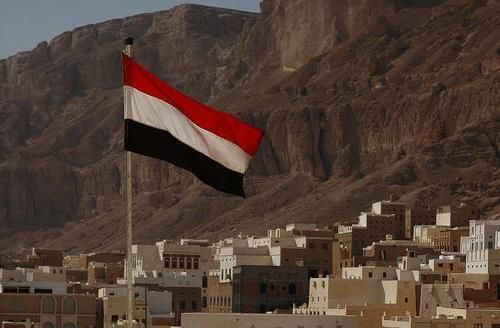
The Geopolitical Significance of Yemen’s Location

juteralabs.com – Yemen, a country located at the southern end of the Arabian Peninsula, holds a strategic position that has far-reaching implications for regional and global geopolitics. Its geographical location, adjacent to critical maritime routes, makes Yemen a focal point of international interest and conflict. This article explores the geopolitical significance of Yemen’s location and the various factors that contribute to its strategic importance.

Geographical Position

Yemen is situated at the crossroads of Africa, Asia, and the Middle East, providing it with a unique vantage point over some of the world’s busiest maritime routes. The country borders the Red Sea and the Gulf of Aden, which are key passages for international shipping. The Bab el-Mandeb Strait, in particular, is a vital chokepoint that connects the Red Sea to the Indian Ocean, controlling access to the Suez Canal, one of the most important waterways for global trade.

Economic and Strategic Importance

The strategic location of Yemen allows it to influence major economic and military activities. Control over the Bab el-Mandeb Strait enables the regulation of oil and goods shipments, impacting global trade flows. This has made Yemen a site of interest for major powers, as securing these maritime routes is crucial for maintaining economic stability and energy security.

Regional Dynamics

Yemen’s location has also made it a battleground for regional powers vying for influence. The country is surrounded by influential neighbors like Saudi Arabia and Oman, with Iran also exerting significant influence in the region. This has led to Yemen being at the center of proxy conflicts, as these powers attempt to control the strategic maritime routes and expand their geopolitical reach.

International Interests

Beyond regional players, international powers like the United States, China, and European countries have vested interests in Yemen due to its strategic location. The control of maritime routes and the stability of the region are essential for international trade and security. International involvement in Yemen often aims to secure these interests, sometimes leading to complex diplomatic and military engagements.

Conclusion

Yemen’s strategic location makes it a key player in regional and global geopolitics. Its control over crucial maritime choke points, coupled with its proximity to powerful regional neighbors, positions Yemen as a significant focus for international strategic and economic interests. Understanding the geopolitical significance of Yemen’s location is essential for comprehending the broader dynamics of Middle Eastern and international relations.

Lebanon: A Culinary Journey Through Diverse Flavors

juteralabs.com – Lebanon, a small country nestled on the eastern coast of the Mediterranean Sea, is renowned for its rich cultural heritage and vibrant culinary traditions. Lebanese cuisine is a reflection of the country’s diverse history, combining elements from various cultures and civilizations. This culinary journey invites you to explore the flavors, ingredients, and dishes that make Lebanese food truly unique.

A Melting Pot of Influences

Lebanese cuisine is a harmonious blend of Mediterranean, Middle Eastern, and European influences. Over centuries, Lebanon has been a crossroads for various civilizations, each leaving its mark on the country’s culinary landscape. From the ancient Phoenicians to the Ottoman Empire, these influences have contributed to a diverse and flavorful cuisine that is beloved worldwide.

Key Ingredients and Flavors

A few key ingredients define Lebanese cuisine. Olive oil, garlic, lemon, and fresh herbs such as mint and parsley are staples in many dishes. Spices like cumin, cinnamon, and sumac add depth to the flavors. The use of fresh vegetables, grains, and legumes is prevalent, making Lebanese food both delicious and nutritious.

Iconic Lebanese Dishes

  1. Mezze: A Feast of Small Plates
    Mezze is a cornerstone of Lebanese dining, offering a variety of small dishes that serve as appetizers. Popular mezze dishes include hummus, baba ghanoush, tabbouleh, and kibbeh. These dishes highlight the freshness of the ingredients and the skillful use of spices.
  2. Manakish: The Lebanese Flatbread
    Often referred to as the Lebanese pizza, manakish is a versatile flatbread topped with za’atar, cheese, or minced meat. It’s a popular breakfast item, enjoyed fresh from the oven with a cup of mint tea.
  3. Shawarma: A Global Favorite
    Shawarma, made with marinated and slow-cooked meat, is a beloved street food in Lebanon. Served in a wrap with toppings like tahini, pickles, and fresh vegetables, it’s a must-try for anyone exploring Lebanese cuisine.
  4. Baklava: A Sweet Ending
    No culinary journey through Lebanon would be complete without indulging in baklava. This sweet pastry, made with layers of filo dough, nuts, and honey, is a testament to the region’s love for rich and delightful desserts.

The Role of Hospitality

Lebanese hospitality is legendary, and food is at the heart of this cultural trait. Meals are a time for family and friends to come together, share stories, and enjoy each other’s company. The generosity and warmth of Lebanese hospitality are as integral to the dining experience as the food itself.

Conclusion

Lebanon’s culinary journey is one of exploration and discovery, where each dish tells a story of the country’s past and present. Whether you’re tasting the tangy notes of a fattoush salad or savoring the sweet layers of baklava, Lebanese cuisine offers a delightful experience that celebrates the rich tapestry of flavors that have shaped this remarkable country. Embark on this journey, and let your taste buds explore the vibrant world of Lebanese flavors.

The Evolution of Taiwanese Pop Music: A Cultural Phenomenon

juteralabs.com – Taiwanese pop music, often referred to as Mandopop, has grown from its regional roots to become a significant cultural force across Asia and beyond. This article explores the evolution of Taiwanese pop music, highlighting its origins, key influences, and the impact it has had on the cultural landscape.

The Origins of Mandopop

  • Early Beginnings: The roots of Taiwanese pop music can be traced back to the 1930s, with influences from traditional Chinese music, Japanese enka, and Western pop. The genre began to take shape in the 1950s and 1960s, as Taiwan experienced rapid economic growth and cultural exchange.
  • Golden Melody Era: The 1980s and 1990s marked the golden era of Mandopop, with the emergence of iconic singers like Teresa Teng, whose melodious voice and heartfelt lyrics captured the hearts of millions across Asia.

Influential Artists and Musical Innovation

  • Pioneering Artists: Artists like Jay Chou, Jolin Tsai, and Mayday have been instrumental in redefining Mandopop, blending traditional melodies with contemporary sounds, including rock, hip-hop, and R&B. Their innovative approaches have expanded the genre’s appeal to younger audiences.
  • Cross-Cultural Collaborations: Collaborations with international artists have brought new influences and ideas into Taiwanese pop music. These partnerships have broadened its reach, introducing Mandopop to global audiences.

Cultural Impact and Global Reach

  • Representation of Taiwanese Identity: Mandopop often reflects Taiwanese culture, social issues, and personal experiences, resonating deeply with listeners. Songs frequently explore themes of love, identity, and societal change, making them relatable across different cultures.
  • International Popularity: Taiwanese pop music has gained significant popularity in regions such as Mainland China, Hong Kong, Southeast Asia, and among Chinese-speaking communities worldwide. The widespread use of digital platforms has further amplified its global presence.

Challenges and Future Directions

  • Adapting to Digital Age: The rise of streaming services and social media has transformed how music is produced and consumed. Taiwanese artists are increasingly using these platforms to engage with fans and explore new creative avenues.
  • Balancing Tradition and Modernity: While embracing modern trends, artists face the challenge of maintaining the cultural essence of Mandopop. Balancing innovation with tradition is key to sustaining its unique identity.

Conclusion

The evolution of Taiwanese pop music reflects a dynamic interplay of cultural heritage, artistic innovation, and global influences. As it continues to evolve, Mandopop remains a vibrant and influential cultural phenomenon, capturing the hearts of audiences both in Taiwan and around the world. With its rich history and promising future, Taiwanese pop music is poised to continue its journey as a cultural ambassador on the global stage.

The Wildlife and Natural Reserves of Pakistan

juteralabs.com – Pakistan, with its diverse ecosystems ranging from arid deserts to lush forests and towering mountains, is home to a remarkable array of wildlife. The country’s natural reserves and national parks protect these diverse habitats, offering a sanctuary for numerous species and a haven for nature enthusiasts. This article explores the rich wildlife and stunning natural reserves of Pakistan.

The Majestic Himalayas and the Karakoram Range

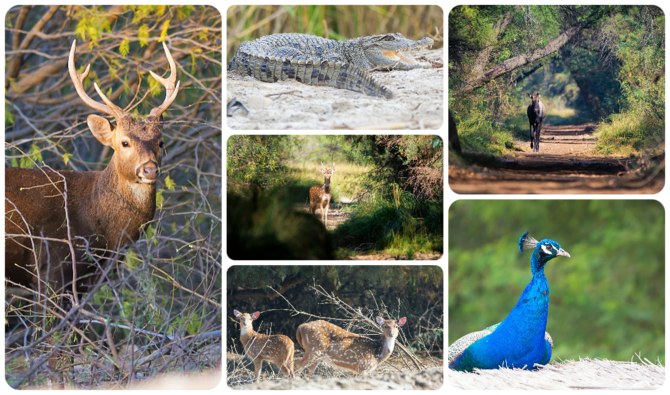
The northern regions of Pakistan boast the majestic Himalayas and the Karakoram Range, which provide a critical habitat for some of the world’s most elusive and endangered species. The snow leopard, a symbol of the country’s rich biodiversity, roams these high-altitude areas. The Deosai National Park, known as the “Land of Giants,” is home to the Himalayan brown bear, ibex, and golden marmots, offering a unique wildlife experience.

The Diverse Landscapes of the Indus Delta

The Indus Delta, located in the southern part of Pakistan, is a vital ecosystem that supports a wide variety of flora and fauna. The mangrove forests of the Indus Delta serve as breeding grounds for fish and shrimp and are home to diverse bird species. The Indus River Dolphin, one of the world’s rarest freshwater dolphins, can be found in this region, highlighting the delta’s ecological importance.

The Rich Biodiversity of the Cholistan Desert

The Cholistan Desert, stretching across the southeastern part of Pakistan, is a unique landscape that supports a surprising variety of wildlife. The desert is home to species such as the Indian gazelle (chinkara), desert fox, and a wide range of reptiles and birds. The Lal Suhanra National Park, located on the edge of the desert, is a protected area that conserves this unique ecosystem and its inhabitants.

Protecting Endangered Species in the Margalla Hills

The Margalla Hills National Park, located near Islamabad, is a sanctuary for wildlife and a popular destination for nature lovers. The park’s diverse habitats support species such as the Indian leopard, barking deer, and a variety of bird species. Conservation efforts in the park focus on protecting these species and maintaining the ecological balance of the region.

The Marine Life of Pakistan’s Coastal Areas

Pakistan’s coastline, stretching along the Arabian Sea, is rich in marine biodiversity. The Astola Island, Pakistan’s first marine protected area, provides a critical habitat for sea turtles, including the endangered green turtle and olive ridley turtle. The coastal waters are also home to a variety of fish, dolphins, and coral reefs, making it a fascinating destination for marine exploration.

Conclusion

The wildlife and natural reserves of Pakistan offer a glimpse into the country’s rich biodiversity and the efforts to protect it. From the towering peaks of the north to the coastal waters of the south, Pakistan’s diverse ecosystems are home to a wide variety of species, some of which are found nowhere else on Earth. These natural reserves not only preserve the country’s ecological heritage but also provide opportunities for ecotourism and education, fostering a deeper appreciation for the natural world.

The Cradle of Civilization: Syria’s Ancient Cities

juteralabs.com – Syria, often referred to as the “Cradle of Civilization,” is home to some of the world’s most ancient cities. These cities have witnessed the rise and fall of empires, the birth of religions, and countless cultural transformations. This article delves into the rich history and significance of Syria’s ancient cities, exploring how they have shaped the course of human civilization.

Damascus: The Timeless Capital

Damascus, the capital of Syria, is one of the oldest continuously inhabited cities in the world. Its strategic location made it a crossroads for trade and culture, influencing civilizations for millennia. The Old City of Damascus, with its labyrinthine streets and historic buildings, is a UNESCO World Heritage site. Key landmarks include the Umayyad Mosque, a masterpiece of Islamic architecture, and the bustling Souq al-Hamidiyah.

Aleppo: A Tapestry of Cultures

Aleppo, another ancient city, has been a melting pot of cultures and religions throughout its history. Its Citadel, a massive fortress that dominates the cityscape, has stood for centuries as a symbol of resilience. The city’s traditional souks and historic neighborhoods reflect a blend of influences from the Hittites, Greeks, Romans, Byzantines, and Ottomans. Despite recent conflicts, Aleppo’s cultural heritage endures as a testament to its rich past.

Palmyra: The Oasis of the Desert

Palmyra, known as “Tadmor” in antiquity, was a vibrant city located in an oasis in the Syrian desert. It served as a crucial stop on the Silk Road, linking the Roman Empire with Eastern civilizations. The city’s monumental ruins, including the Temple of Bel and the colonnaded street, highlight its architectural and cultural significance. Efforts to restore and preserve Palmyra’s heritage continue, despite the challenges posed by recent conflicts.

Ugarit: The Birthplace of the Alphabet

The ancient city of Ugarit, located near the modern-day city of Latakia, is credited with the development of one of the earliest known alphabets. This innovation had a profound impact on written communication and literacy. Archaeological discoveries in Ugarit have provided valuable insights into the languages, religions, and daily life of its inhabitants, contributing significantly to our understanding of the ancient Near East.

Bosra: A Roman Legacy

Bosra, situated in southern Syria, boasts an impressive collection of Roman ruins, including a remarkably well-preserved theater. Once a thriving metropolis of the Roman Empire, Bosra served as a vital center of trade and culture. Today, its ancient streets and structures offer a glimpse into the architectural and social achievements of the Roman period.

Challenges and Preservation Efforts

The ongoing conflicts in Syria have posed significant threats to its ancient cities. Destruction, looting, and neglect have put many historical sites at risk. However, international and local efforts are being made to document, protect, and restore these invaluable cultural treasures. Organizations like UNESCO are working to ensure that Syria’s ancient cities continue to educate and inspire future generations.

Conclusion

Syria’s ancient cities are not just relics of the past; they are vibrant chapters in the story of human civilization. From Damascus to Palmyra, these cities have shaped the cultural and historical landscape of the region and the world. As efforts to preserve and protect these sites continue, they remain symbols of resilience and a testament to the enduring legacy of human creativity and innovation.

Kamboja Menghadapi Tantangan Keamanan Cyber

juteralabs – Phnom Penh, Kamboja kini menghadapi tantangan serius dalam keamanan cyber, seiring dengan meningkatnya penggunaan teknologi digital di seluruh negeri. Peningkatan konektivitas internet dan digitalisasi di berbagai sektor, termasuk pemerintahan, perbankan, dan layanan publik, membuat negara ini semakin rentan terhadap serangan cyber.

Dalam beberapa tahun terakhir, serangan cyber di Kamboja telah meningkat secara signifikan, baik dari dalam negeri maupun luar negeri. Serangan ini mencakup peretasan data pribadi, pencurian informasi rahasia, hingga gangguan terhadap sistem infrastruktur penting. Serangan-serangan tersebut menargetkan sektor-sektor vital seperti perbankan, layanan kesehatan, dan pemerintahan, yang bisa berdampak pada stabilitas ekonomi dan keamanan nasional.

Salah satu tantangan terbesar adalah ancaman ransomware. Pada serangan ini, peretas mengunci akses ke sistem komputer atau data dan meminta tebusan untuk mengembalikannya. Serangan ransomware di Kamboja dilaporkan semakin sering terjadi, terutama menargetkan bisnis kecil dan menengah yang memiliki keamanan siber yang lemah.

Kementerian Pos dan Telekomunikasi Kamboja mengungkapkan bahwa serangan ransomware pada tahun 2023 saja telah mengakibatkan kerugian finansial yang cukup signifikan. Banyak perusahaan yang terpaksa membayar tebusan karena mereka tidak memiliki cadangan data yang cukup atau sistem pertahanan yang kuat.

kamboja-menghadapi-tantangan-keamanan-cyber

Salah satu alasan utama meningkatnya ancaman cyber di Kamboja adalah kurangnya infrastruktur keamanan cyber yang memadai. Banyak organisasi, terutama di sektor swasta, belum memiliki protokol keamanan yang kuat untuk melindungi diri dari ancaman. Selain itu, kesadaran publik dan pelatihan terkait keamanan siber masih minim, terutama di luar kota besar seperti Phnom Penh.

“Masalah terbesar yang kami hadapi adalah kurangnya kesadaran di tingkat perusahaan dan masyarakat umum mengenai pentingnya keamanan cyber,” ungkap seorang pejabat senior dari Kementerian Telekomunikasi. “Kami butuh lebih banyak upaya untuk meningkatkan pengetahuan tentang ancaman cyber dan cara melindungi data serta sistem yang dimiliki.”

Sebagai tanggapan terhadap meningkatnya ancaman ini, pemerintah Kamboja telah mengambil beberapa langkah penting. Pada awal 2024, pemerintah meluncurkan program nasional yang bertujuan untuk memperkuat pertahanan cyber dan memperkenalkan regulasi baru bagi perusahaan dan organisasi untuk meningkatkan keamanan digital mereka.

Pemerintah juga bekerja sama dengan negara-negara lain dan organisasi internasional untuk meningkatkan kemampuan teknis dan keahlian dalam bidang keamanan cyber. Beberapa lembaga internasional telah memberikan dukungan dalam bentuk pelatihan dan infrastruktur untuk membantu Kamboja memperkuat sistem keamanan digitalnya.

kamboja-menghadapi-tantangan-keamanan-cyber

Misalnya, Kamboja telah menjalin kerja sama dengan Jepang dan Korea Selatan untuk mengembangkan kebijakan keamanan siber yang lebih baik dan berbagi teknologi mutakhir dalam bidang pertahanan cyber. Selain itu, bantuan dari organisasi global seperti UNDP juga diharapkan dapat mempercepat pengembangan kebijakan yang lebih kuat di masa depan.

Meskipun ada upaya signifikan dari pemerintah, Kamboja masih menghadapi tantangan besar dalam menjaga keamanan cyber. Serangan cyber yang semakin canggih dan kurangnya sumber daya manusia yang terampil di bidang teknologi informasi menjadi kendala utama. Selain itu, perlu ada pendekatan yang lebih menyeluruh dalam mendidik masyarakat tentang pentingnya keamanan siber, terutama di era digital yang semakin berkembang ini.

Dengan digitalisasi yang terus meningkat di semua aspek kehidupan, penting bagi kamboja slot untuk terus meningkatkan kemampuan pertahanan sibernya guna melindungi ekonomi dan stabilitas nasional dari ancaman yang semakin nyata ini.

Tantangan keamanan cyber di Kamboja bukanlah hal yang bisa diabaikan. Serangan yang semakin canggih dan risiko besar terhadap sektor-sektor penting membuat keamanan cyber menjadi prioritas nasional. Upaya pemerintah dan dukungan internasional sangat penting, namun Kamboja masih perlu memperkuat infrastruktur dan kesadaran publik untuk menghadapi tantangan cyber di masa depan.

The Majestic Heights of Mount Kinabalu

juteralabs.com – Mount Kinabalu, towering majestically at 4,095 meters above sea level, is the highest peak in Southeast Asia, located in the Malaysian state of Sabah on the island of Borneo. Renowned for its breathtaking views, diverse ecosystems, and challenging climbs, Mount Kinabalu is a destination that draws adventurers and nature enthusiasts from around the globe.

The Geological Marvel

Mount Kinabalu is part of the Crocker Range and is one of the youngest non-volcanic mountains in the world, formed by the uplift of the earth’s crust. Its jagged granite peaks, shaped by millions of years of geological processes, create a stunning skyline that captivates all who see it.

Biodiversity and Ecosystem

The mountain is situated within Kinabalu Park, a UNESCO World Heritage Site, and is home to an incredible diversity of plant and animal species. The park’s different climatic zones range from tropical lowland forests to alpine meadows, each hosting unique flora and fauna. Notable species include the Rafflesia, the world’s largest flower, and the Nepenthes rajah, a giant pitcher plant.

The Climb to the Summit

Climbing Mount Kinabalu is a bucket-list experience for many adventurers. The main trail, known as the Summit Trail, begins at Timpohon Gate and takes climbers through lush rainforests, montane scrub, and rocky landscapes. The trek typically takes two days, with climbers spending the night at Laban Rata, a rest house located at 3,272 meters, before making the final push to the summit at dawn to witness the sunrise over Borneo.

Preparing for the Climb

Climbing Mount Kinabalu requires a reasonable level of fitness and preparation. Climbers must obtain a permit, hire a guide, and book accommodation in advance. The ascent can be physically demanding due to the altitude and steep terrain, so training and acclimatization are recommended.

Cultural Significance

Mount Kinabalu holds significant cultural importance for the indigenous Kadazan-Dusun people, who consider it a sacred site. According to local beliefs, the spirits of their ancestors reside on the mountain, and traditional rituals are often performed to honor them.

Conservation Efforts

With increasing numbers of visitors, conservation efforts are vital to preserving Mount Kinabalu’s unique environment. The Sabah Parks authority, along with various organizations, works to protect the mountain’s biodiversity and promote sustainable tourism practices.

Conclusion

Mount Kinabalu is more than just a mountain; it is a symbol of natural beauty, cultural heritage, and adventure. Whether you are a seasoned climber seeking a new challenge or a nature lover eager to explore diverse ecosystems, Mount Kinabalu offers an unforgettable experience. Embark on this majestic journey to discover the heights of wonder and awe in one of the world’s most extraordinary landscapes.

Vientiane: The Heart of Laos

juteralabs.com – Vientiane, the capital city of Laos, is a charming blend of traditional Lao culture and French colonial influences. Nestled along the banks of the Mekong River, this small yet vibrant city serves as the political, economic, and cultural hub of the nation. With its laid-back atmosphere, rich history, and welcoming locals, Vientiane offers a unique experience for travelers and expatriates alike.

A Glimpse into History

Vientiane’s history dates back to at least the 10th century when it was a Khmer settlement. By the 16th century, it became the capital of the Kingdom of Lan Xang, one of Southeast Asia’s largest and most prosperous kingdoms. The city has faced numerous challenges over the centuries, including invasions and occupations, but it has always managed to preserve its cultural heritage. The French colonial period left a lasting impact on Vientiane, evident in its architecture and urban planning.

Cultural Landmarks and Attractions

Vientiane is home to several significant cultural and historical landmarks. The most iconic is Pha That Luang, a large gold-covered Buddhist stupa, which is considered the most important national monument in Laos. Legend has it that it contains a relic of the Buddha.

Another must-visit site is Wat Si Saket, the oldest surviving temple in Vientiane, which houses thousands of Buddha images. The Patuxai Monument, often referred to as the “Arc de Triomphe of Vientiane,” offers panoramic views of the city from its rooftop.

The Mekong Riverfront

The Mekong River is an integral part of Vientiane’s charm. The riverfront area, known as the Mekong Promenade, is a popular spot for both locals and tourists. Here, you can enjoy a leisurely stroll, sample delicious street food, or watch the sunset over the river. The night market along the riverfront is an excellent place to shop for souvenirs and experience the local culture.

Culinary Delights

Vientiane offers a delightful culinary journey, blending traditional Lao flavors with French influences. From street food stalls to upscale restaurants, you can find a wide range of dishes to satisfy your palate. Be sure to try local specialties such as laap (a spicy minced meat salad), khao piak sen (a comforting noodle soup), and baguette sandwiches, a nod to the city’s colonial past.

Conclusion

Vientiane may not be as bustling as other Southeast Asian capitals, but its charm lies in its tranquility and rich cultural heritage. Whether you’re exploring ancient temples, enjoying the serenity of the Mekong, or savoring local cuisine, Vientiane offers a unique and memorable experience. As the heart of Laos, it beautifully encapsulates the spirit and resilience of the nation.

The Vatican: The World’s Smallest Independent State

juteralabs.com – Nestled within the heart of Rome, Italy, lies the Vatican City, a unique entity that holds the distinction of being the world’s smallest independent state. This sovereign city-state, governed by the Pope and the Roman Catholic Church, is a captivating blend of spirituality, art, and history. Despite its diminutive size, the Vatican exerts a significant influence on the global stage, making it a must-visit destination for millions of pilgrims and tourists each year.

Geography and Demographics

The Vatican City covers an area of just 109 acres (0.44 square kilometers), making it the smallest country in the world by land area. It is an enclave within Rome, surrounded by Italian territory. Despite its small size, the Vatican has a rich history and is home to some of the most iconic structures and artworks in the world.

The population of the Vatican City is estimated to be around 800, consisting of citizens and residents who work in the various administrative, religious, and museum sectors. The majority of the population is male, as it includes priests, bishops, and other religious officials.

Government and Administration

The Vatican City is a sovereign entity with its own government, headed by the Pope, who serves as both the spiritual leader of the Roman Catholic Church and the head of state. The government operates under the constitution known as the Fundamental Law of Vatican City State, which was last revised in 2000. This law outlines the structure of the Vatican’s governance, including the roles of the Pope, the Cardinals, and various administrative bodies.

The administration is divided into various departments, including the Secretariat of State, the Governorate of the Vatican City State, and the Tribunal of the Vatican City State. These departments are responsible for the day-to-day operations of the Vatican, including its diplomatic relations, security, and maintenance of its cultural and historical sites.

Cultural and Historical Significance

The Vatican City is home to some of the world’s most renowned cultural and historical sites. The Vatican Museums, which include the Sistine Chapel and the Raphael Rooms, house an extensive collection of art and artifacts. The Sistine Chapel, famous for Michelangelo’s ceiling frescoes, is a masterpiece of Renaissance art and a symbol of the Vatican’s rich cultural heritage.

St. Peter’s Basilica, one of the largest churches in the world, is a significant pilgrimage site for Catholics. The basilica contains the tombs of numerous popes, including St. Peter, and is renowned for its architectural beauty and artistic treasures. Other notable sites include the Vatican Gardens, the Vatican Library, and the Pontifical Academy of Sciences.

Economy and Tourism

The economy of the Vatican City is primarily based on the sale of postage stamps and souvenirs, the sale of publications, and fees for museum visits. Tourism is a significant source of revenue, with millions of visitors coming to see the Vatican Museums, St. Peter’s Basilica, and other attractions. The Vatican also has its own media outlets, including Vatican Radio and the Vatican News service, which contribute to its global influence.

Conclusion

The Vatican City is a unique entity, a sovereign nation that exists within the heart of Rome. It is a place of profound spiritual, cultural, and historical significance, offering a glimpse into the heart of the Roman Catholic Church and the splendor of Renaissance art. Despite its small size, the Vatican City’s influence extends far beyond its physical boundaries, making it a must-visit destination for travelers from around the globe.

Argentina: The Eighth Largest Country in the World

juteralabs.com – Argentina, a country renowned for its rich cultural heritage, stunning natural landscapes, and vibrant society, holds the distinction of being the eighth-largest country in the world by total area. Spanning across an impressive 2.78 million square kilometers, Argentina is a land of diverse ecosystems, from the arid deserts of the north to the lush vineyards of the west and the vast pampas that dominate its central region. This article explores the geographical, cultural, and economic aspects that make Argentina a unique and significant nation on the global stage.

Geographical Overview

Argentina’s vast size is a result of its extensive landmass, which stretches from the subtropical rainforests of the Yungas in the north to the icy expanses of Tierra del Fuego in the south. This geographical diversity has endowed the country with a rich array of ecosystems and natural wonders.

Diverse Landscapes

The country’s landscape is characterized by its natural beauty, with the Andes Mountains in the west, the Pampas in the central region, and the subtropical forests in the north. Argentina is also home to Iguazu Falls, one of the most spectacular waterfalls in the world.

Climate Variations

Given its size, Argentina experiences a wide range of climates, from the hot and humid subtropical climate of the north to the cold and windy climate of Patagonia in the south. This diversity in climate contributes to the country’s rich biodiversity and offers a variety of outdoor activities for residents and visitors alike.

Cultural Tapestry

Argentina’s cultural landscape is as diverse as its geographical one, with a population that reflects a blend of indigenous peoples, European immigrants, and a multitude of other ethnic groups. This multiculturalism is a defining feature of Argentine society, celebrated through festivals, cuisine, and art.

Multiculturalism

Argentina’s multicultural heritage, shaped by waves of immigration from Europe and other parts of the world, has fostered a society that is both cosmopolitan and deeply rooted in tradition. This blend is evident in the country’s cuisine, music, and literature.

Indigenous Cultures

The indigenous peoples of Argentina, including the Mapuche, Diaguita, and Wichí, have a rich cultural heritage that dates back thousands of years. Their contributions to Argentine society are increasingly recognized, with efforts to preserve their languages, traditions, and rights.

Economic Strength

Argentina’s economy is one of the largest in South America, driven by abundant natural resources, a well-educated workforce, and a diverse agricultural sector. The country is a leading exporter of agricultural products, including soybeans, corn, and beef.

Natural Resources

Argentina’s vast natural resources have been a cornerstone of its economy, with the country being one of the world’s largest producers of soybeans and a significant producer of natural gas and oil. Additionally, Argentina has substantial mineral resources, including lithium and copper.

Innovation and Technology

Beyond natural resources, Argentina has made significant contributions to innovation and technology. The country has a strong tradition in scientific research and education, with notable achievements in fields such as nuclear energy, space exploration, and biotechnology.

Conclusion

Argentina’s status as the eighth-largest country in the world is a testament to its geographical vastness and cultural richness. From its stunning landscapes to its diverse population, Argentina offers a unique blend of natural beauty, cultural heritage, and economic opportunity. As the country continues to grow and evolve, it remains a significant player on the global stage, celebrated for its passion, innovation, and natural splendor.

Luxembourg’s International Relations: A Global Perspective

juteralabs.com – Luxembourg, a small yet influential country in the heart of Europe, plays a significant role in international relations. Despite its size, Luxembourg’s strategic location, economic strength, and active participation in global institutions make it a key player in shaping international policies and cooperation.

Historical Context

Luxembourg’s history is marked by its evolution from a small principality to a major European institutional center. Its journey includes periods of foreign rule, independence, and the establishment of a constitutional monarchy. The country’s decision to abandon its neutrality in 1948 and join NATO in 1949 further solidified its commitment to international cooperation and security.

Diplomatic Efforts

Luxembourg’s diplomatic efforts are primarily concentrated within the European Union (EU) sphere, reflecting its strong commitment to European integration and cooperation. The country has been a founding member of the EU and has consistently supported the development of European institutions and policies. Luxembourg’s role in the EU extends beyond mere participation; it serves as a major European institutional center, hosting several EU agencies and institutions.

Multilateralism and Global Institutions

Luxembourg is a staunch advocate of multilateralism and actively participates in various global institutions such as the United Nations (UN), the World Trade Organization (WTO), the International Monetary Fund (IMF), and the World Bank. The country’s foreign policy emphasizes the importance of international law, respect for human rights, and the peaceful resolution of conflicts. Luxembourg’s Prime Minister, Xavier Bettel, has repeatedly emphasized the need for multilateralism, especially during times of crisis, highlighting the country’s commitment to global cooperation.

Economic Relations

Luxembourg’s economy is closely tied to its international relations, particularly through its financial sector and its role in the European economy. The country is a major player in the global financial industry, attracting significant foreign investment and serving as a hub for international banking and finance. This economic strength allows Luxembourg to influence global financial policies and regulations, contributing to its international standing.

Regional and Bilateral Relations

Luxembourg maintains strong bilateral relations with its neighboring countries and other European states. Its participation in the Benelux Economic Union with Belgium and the Netherlands has been instrumental in fostering economic integration and cooperation within the region. Additionally, Luxembourg’s relations with non-European countries, such as China, have been growing, particularly through initiatives like the Belt and Road Initiative, which aims to enhance economic cooperation and infrastructure development.

Conclusion

Luxembourg’s international relations are characterized by its active participation in global institutions, strong commitment to multilateralism, and significant economic influence. Despite its small size, Luxembourg’s strategic location, historical context, and diplomatic efforts make it a vital player in shaping international policies and fostering global cooperation. As the world continues to evolve, Luxembourg’s role in promoting peace, security, and economic development will remain crucial.

Japan: The Legendary Warrior Empress – Empress Jingu

juteralabs.com – Empress Jingu, also known as Empress Jingū, is a legendary figure in Japanese history, renowned for her military campaigns and leadership. According to ancient Japanese chronicles, she reigned from 201 to 269 AD, although these dates are considered symbolic and her historical existence is debated among scholars. Nonetheless, Empress Jingu’s story is a significant part of Japan’s cultural and historical narrative, embodying themes of strength, leadership, and imperial expansion.

The Legendary Reign

Empress Jingu is best known for her conquest of the Korean kingdom of Silla, which is described in the “Nihon Shoki” (Chronicles of Japan) and other ancient texts. The legend recounts how she led a military expedition across the sea, motivated by a divine command and a desire to avenge her husband’s death. Her forces were said to have been victorious, and she returned to Japan with vast riches and territories, further solidifying the Yamato dynasty’s power.

Divine Mandate and Leadership

Empress Jingu’s legend is intertwined with Shinto mythology, with stories suggesting that her campaigns were sanctioned by the gods. This divine mandate is a recurring theme in Japanese imperial history, emphasizing the sacred nature of the emperor’s authority. Jingu’s leadership is often portrayed as both wise and fierce, embodying the ideal of a ruler who combines strategic acumen with spiritual insight.

Cultural Impact

The story of Empress Jingu has had a lasting impact on Japanese culture and identity. She is celebrated as a symbol of female strength and leadership, a rare figure in the patriarchal context of ancient Japan. Her legend has been depicted in various forms of art, literature, and theater, reflecting her enduring significance in the national consciousness.

Historical Controversy

Despite her legendary status, the historical accuracy of Empress Jingu’s reign and military campaigns is a subject of scholarly debate. Some historians argue that the accounts of her conquests are mythologized and may not correspond to actual historical events. The lack of archaeological evidence and the symbolic nature of the dates attributed to her reign contribute to the skepticism surrounding her historical existence.

Legacy

Regardless of the historical debate, Empress Jingu remains an iconic figure in Japanese history. Her legacy is a testament to the power of legend and myth in shaping a nation’s identity. Whether as a historical ruler or a mythical empress, Jingu’s story continues to inspire and intrigue, reminding us of the complex interplay between history, mythology, and cultural memory.

In conclusion, Empress Jingu’s legacy transcends the boundaries of historical fact, embodying the enduring themes of leadership, strength, and divine authority in Japanese culture. Her story is a reminder of the enduring power of legend and the ways in which myth can shape a nation’s understanding of its past and its place in the world.

Singapore’s Education System: A Tale of Excellence & Pressure

juteralabs.com – Singapore’s education system is renowned globally for its high academic standards and stellar performance in international comparative tests. However, this system also exerts significant pressure on students and parents, leading to concerns about the holistic development of students. This article explores the dual nature of Singapore’s education system, highlighting both its achievements and the challenges it poses.

Academic Excellence

Singapore’s education system is a model of academic excellence, consistently ranking among the top-performing systems in the world. The curriculum is rigorous, with a strong emphasis on subjects like mathematics, science, and languages, which has led to high performance in international assessments such as the OECD PISA rankings. The system aims to bring out the best in every child, fostering a culture of lifelong learning and developing well-rounded individuals.

High Pressure

Despite its academic achievements, the education system in Singapore is also known for its high pressure. The competitive nature of the system, combined with the societal emphasis on academic success, creates a stressful environment for students. This pressure is exacerbated by factors such as the widespread culture of tuition, early streaming, and the intense competition for places in top schools. The pressure to perform well in exams is particularly intense, leading to high levels of test anxiety among students.

Balancing Excellence and Pressure

The challenge for Singapore’s education system is to maintain its high standards while addressing the issue of excessive pressure. Prime Minister Lee Hsien Loong has acknowledged that while taking education seriously is good, too much pressure is not. The Ministry of Education (MOE) has been working on initiatives to improve student well-being, recognizing the need for a more holistic approach to education.

Conclusion

Singapore’s education system stands as a testament to the country’s commitment to academic excellence. However, the high pressure associated with this system raises important questions about the well-being of students. As the system continues to evolve, finding a balance between maintaining high standards and ensuring the holistic development of students will be crucial. The ongoing efforts to address these challenges reflect a commitment to creating an education system that not only excels academically but also supports the overall well-being of its students.

Prince (Князь): A Prestigious Title in Russian Nobility

juteralabs.com – The title of Prince, or “Князь” in Russian, holds a distinguished place in the history of Russian nobility. It is one of the oldest and most esteemed titles, traditionally bestowed upon members of the royal family and high-ranking nobles. This article delves into the origins, significance, and evolution of the princely title in Russia.

Origins of the Title

The title of Prince in Russia dates back to the early medieval period, when it was used to denote the ruler of a principality or a member of the ruling family. The first known princes were the leaders of the East Slavic tribes, who established their rule over various territories in what is now Russia, Ukraine, and Belarus. The most famous of these early principalities was Kievan Rus’, which emerged in the 9th century and laid the foundations for the Russian state.

Significance of the Title

The title of Prince carried significant political and social weight. It was not only a mark of high birth but also a symbol of power and authority. Princes were often military leaders, lawmakers, and patrons of the arts and religion. They played a crucial role in the governance of their territories, maintaining order, and defending their lands from external threats.

Evolution of the Title

Over the centuries, the title of Prince underwent various transformations. With the rise of the Grand Duchy of Moscow in the 14th century, the title became associated with the ruling dynasty of the Romanovs. By the time of the Russian Empire, the title had become part of a complex hierarchy of nobility, with princes ranking just below the imperial family.

Princes were involved in all aspects of Russian life, from politics and military affairs to culture and society. They served as advisors to the tsar, commanders of the army, and patrons of the arts. Many princely families amassed vast fortunes and owned extensive estates, contributing to the economic and cultural development of Russia.

The Modern Era

Following the Russian Revolution of 1917, the nobility, including the princes, was abolished. The Soviet Union did not recognize titles of nobility, and many members of the princely families were forced into exile or faced persecution.

However, with the fall of the Soviet Union in 1991, there has been a resurgence of interest in the history and heritage of the Russian nobility. Today, descendants of the princely families are reclaiming their titles and working to preserve the cultural legacy of their ancestors.

Conclusion

The title of Prince in Russia is a testament to the country’s rich history and the complex interplay of power, tradition, and culture that has shaped its development. From the early medieval period to the present day, the title has been a symbol of prestige and authority, reflecting the shifting landscape of Russian society and politics. As Russia continues to evolve, the legacy of its princely past remains an important part of its national identity.

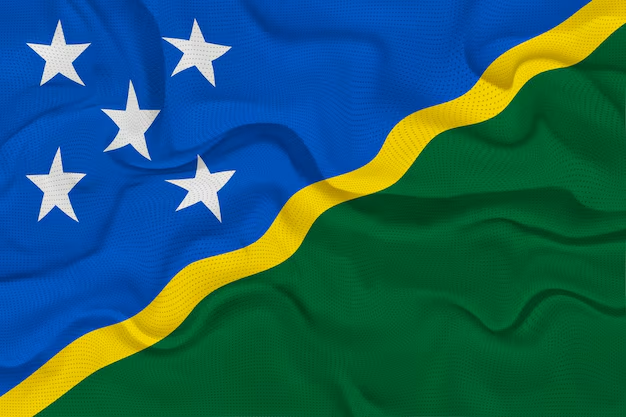
Solomon Islands’ Political System: Constitutional Monarchy

juteralabs.com – The Solomon Islands, an independent Commonwealth realm located in the South Pacific, operates under a constitutional monarchy with a Westminster-style parliamentary democracy. This unique political system combines elements of traditional monarchy with modern democratic principles, ensuring a balance of power among various governmental institutions.

Constitutional Framework

The political system of the Solomon Islands is rooted in its constitution, which was established upon independence from the United Kingdom on July 7, 1978. The constitution outlines the framework for a parliamentary democracy, where the British monarch serves as the formal head of state, represented by a governor-general appointed by the monarch on the advice of the prime minister.

Executive Branch

The executive power in the Solomon Islands is vested in the government, which is headed by the prime minister. The prime minister is typically the leader of the majority party or coalition in the National Parliament and is responsible for forming the cabinet. The governor-general, acting on the advice of the prime minister, appoints the chief justice of the Supreme Court and other key officials.

Legislative Branch

The legislative branch of the Solomon Islands is unicameral, consisting of the National Parliament. The parliament comprises 50 members elected for a four-year term in single-seat constituencies. This body is responsible for enacting laws and overseeing the work of the executive branch. The parliament operates under a multi-party system, which often leads to unstable coalitions and frequent changes in government leadership.

Judicial Branch

The judicial system in the Solomon Islands is based on British common law. The Supreme Court, also known as the National Court, is the highest court in the country. It is composed of the chief justice and other judges appointed by the governor-general on the advice of the prime minister. Below the Supreme Court are the High Court and the Magistrates’ Courts, which handle various legal matters across the country.

Local Government

The Solomon Islands is divided into 10 administrative areas, nine of which are provinces administered by elected provincial governments. These local governments have significant autonomy in managing local affairs, including education, health, and infrastructure development. This three-tiered system of government ensures that local needs are addressed while maintaining national unity.

Political Stability and Challenges

The political landscape of the Solomon Islands is characterized by weak political parties and highly unstable parliamentary coalitions. Frequent votes of no confidence and changes in government leadership are common, reflecting the challenges of maintaining political stability in a multi-party system. Despite these challenges, the country continues to uphold its democratic principles and constitutional framework.

Conclusion

The political system of the Solomon Islands, as a constitutional monarchy with a Westminster-style parliamentary democracy, provides a unique blend of traditional and modern governance. While it faces challenges in maintaining political stability, the system ensures a balance of power and representation, reflecting the country’s commitment to democratic principles and constitutional governance.

Post-War Reconstruction in Sierra Leone

juteralabs.com – Sierra Leone, a country in West Africa, experienced a brutal civil war from 1991 to 2002. The conflict devastated the country’s infrastructure, economy, and social fabric. Post-war reconstruction efforts have been extensive, involving both internal and external actors. This article explores the challenges and successes of Sierra Leone’s post-war reconstruction, focusing on key areas such as governance, economic development, and social recovery.

Governance and Decentralization

One of the critical aspects of Sierra Leone’s post-war reconstruction has been the decentralization of governance. The country has been cited as a positive example of how decentralization can contribute to post-conflict reconstruction. By empowering local communities and traditional leaders, such as Paramount Chiefs, the government has been able to foster a sense of ownership and participation in the reconstruction process.

Economic Development

Economic development has been a cornerstone of Sierra Leone’s post-war reconstruction. The country’s rich natural resources, particularly diamonds, have played a significant role in its economic recovery. However, the reliance on diamond exports has also posed challenges, as it has led to issues of corruption and mismanagement of funds. Foreign aid has been crucial in supporting economic development, but the uncertain prospects of sustaining this aid have created additional challenges.

Social Recovery

The social fabric of Sierra Leone was severely damaged during the war, with widespread displacement, loss of life, and trauma. Post-war reconstruction has focused on rebuilding communities and addressing the needs of war-affected populations. This includes efforts to reintegrate former combatants, provide psychosocial support, and rebuild social infrastructure such as schools and healthcare facilities.

Role of Women in Reconstruction

Women have played a significant role in Sierra Leone’s post-war reconstruction. The involvement of women chiefs has been particularly noteworthy, as they have been instrumental in mediating conflicts, promoting peace, and supporting community development. Their participation has helped to address gender disparities and promote inclusive governance.

Education and Transformation

The post-war government of Sierra Leone has made significant efforts to transform the education system, which was severely affected by the war. The focus has been on rebuilding schools, training teachers, and ensuring access to education for all children, with particular emphasis on addressing gender disparities. These efforts aim to build a more educated and resilient society.

Conclusion

Sierra Leone’s post-war reconstruction has been a complex and multifaceted process, involving various stakeholders and addressing a wide range of challenges. While significant progress has been made in governance, economic development, and social recovery, ongoing efforts are needed to ensure sustainable peace and development. The involvement of local communities, particularly women, has been crucial in this process, highlighting the importance of inclusive and participatory approaches to reconstruction.

Micronesia’s Economy & Major Industries

juteralabs.com – The Federated States of Micronesia (FSM) is a small island nation located in the western Pacific Ocean, comprising four states: Yap, Chuuk, Pohnpei, and Kosrae. The country’s economy is characterized by its reliance on subsistence agriculture and fishing, with significant dependence on foreign aid, particularly from the United States. The FSM’s economy is considered lower middle-income, with a GDP of approximately $460 million and a per capita GDP of $4,860 as of 2023.

Major Industries

Agriculture

Agriculture is a crucial sector in Micronesia, providing both subsistence and cash crops. The main agricultural products include sweet potatoes, pumpkins, cucumbers, taro, bananas, betel nuts, potatoes, breadfruit, oranges, Chinese cabbage, and lemons. Despite its importance, the agricultural sector faces challenges such as limited arable land and the need for improved farming techniques to enhance productivity.

Fishing

Micronesia’s extensive Exclusive Economic Zone (EEZ) of about 2.98 million square kilometers is rich in marine resources, particularly tuna. The country is a significant player in the global tuna market, with species such as skipjack, yellowfin, bigeye, and albacore tuna being the most prominent. The fishing industry not only supports local communities but also contributes to the country’s export earnings.

Tourism

Tourism is another vital industry in Micronesia, although it is still developing. The country’s unique marine biodiversity, including coral reefs and diverse marine life, attracts scuba divers and other tourists. Efforts are being made to promote tourism as a means to diversify the economy and reduce dependency on foreign aid.

Economic Challenges and Dependencies

Micronesia faces several economic challenges, including a lack of effective market mechanisms, limited industrial development, and a heavy reliance on imports for food and other essential goods. The country’s economy is also heavily dependent on foreign aid, particularly from the United States, which has been a significant source of financial support through the Compact of Free Association.

Conclusion

Micronesia’s economy is primarily based on agriculture, fishing, and nascent tourism. While these sectors provide essential livelihoods for the population, the country continues to grapple with economic development challenges. Efforts to diversify the economy and improve infrastructure are crucial for sustainable growth and reducing dependency on foreign aid.

Governance and Leadership: Kiribati’s Political System

juteralabs.com – Kiribati, a republic in the central Pacific Ocean, has a unique political system that reflects its cultural heritage and historical experiences. This article delves into the governance structure and leadership dynamics within Kiribati, providing an overview of its political landscape.

The Constitution and Government Structure

The foundation of Kiribati’s political system is its constitution, which was enacted at the time of independence in 1979. The constitution establishes Kiribati as a sovereign democratic republic, with a government structure that combines elements of traditional governance and modern democratic principles.

The government of Kiribati is divided into three branches: the executive, the legislative, and the judicial. This separation of powers ensures a balanced system of governance, with each branch having distinct roles and responsibilities.

The Executive Branch

The executive branch is headed by the President of Kiribati, who is both the head of state and the head of government. The President is elected by an electoral college, which consists of members of the House of Assembly and representatives from the outer islands. The President serves a four-year term and is limited to two consecutive terms.

The President appoints a Cabinet, which includes ministers responsible for various government departments. The Cabinet is accountable to the President and plays a crucial role in the formulation and implementation of government policies.

The Legislative Branch

The legislative branch is composed of the House of Assembly, Kiribati’s unicameral parliament. The House of Assembly consists of 45 members, who are elected through a unique electoral system that combines single-member constituencies and multi-member constituencies. Members serve four-year terms.

The House of Assembly is responsible for enacting laws, approving the national budget, and overseeing the executive branch. The Speaker of the House, elected by its members, presides over parliamentary sessions and ensures the smooth functioning of the legislative process.

The Judicial Branch

The judicial branch is independent of the executive and legislative branches, ensuring the rule of law and the protection of individual rights. The court system in Kiribati includes the High Court, the Court of Appeal, and the Supreme Court. The Chief Justice, appointed by the President, heads the judiciary.

Traditional Governance and Modern Politics

Kiribati’s political system also incorporates elements of traditional governance, known as “maneaba” culture. The maneaba is a traditional meeting house where community decisions are made through consensus. This model of inclusive decision-making influences modern political processes, promoting dialogue and consensus-building among political leaders and citizens.

Leadership and Political Dynamics

Leadership in Kiribati is characterized by a blend of traditional authority and modern political acumen. Political leaders often draw on their understanding of Kiribati’s cultural values and social norms to navigate political challenges and foster national unity.

Political parties in Kiribati are relatively fluid, with alliances and coalitions forming and dissolving based on political expediency and shared policy objectives. This dynamic political landscape reflects the adaptability and resilience of Kiribati’s political system.

Conclusion

Kiribati’s political system is a testament to the nation’s ability to blend traditional governance with modern democratic principles. The constitution, government structure, and leadership dynamics reflect a commitment to democratic values, while also honoring the cultural heritage of the Kiribati people. As Kiribati continues to evolve, its political system will play a crucial role in shaping the nation’s future, ensuring stability, and promoting the well-being of its citizens.

Kosovo’s Economic Development and Challenges

juteralabs.com – Kosovo, a small country in the Balkans, has undergone significant economic transformation since declaring independence in 2008. This article explores the key aspects of Kosovo’s economic development, highlighting the progress made and the challenges that remain.

Economic Development

Since independence, Kosovo has focused on economic development through various reforms and investments. The government has prioritized the creation of a favorable environment for foreign investment, leading to the establishment of new industries and job opportunities.

One of the significant developments has been in the energy sector, particularly in renewable energy. Kosovo has invested in hydroelectric and wind power projects, aiming to reduce its dependence on fossil fuels and improve its energy security.

The IT sector has also seen rapid growth, with Kosovo becoming a hub for software development and IT services. This has been facilitated by a young, tech-savvy population and government initiatives to support the digital economy.

Challenges

Despite these developments, Kosovo faces several economic challenges that hinder its growth potential.

One of the main challenges is high unemployment, particularly among the youth. This is partly due to the limited capacity of the economy to create enough jobs for the growing workforce.

Another significant challenge is the informal economy, which accounts for a large portion of economic activity. This undermines tax revenues and makes it difficult for the government to invest in necessary infrastructure and services.

Corruption and bureaucratic inefficiencies also pose significant barriers to economic development. These issues deter foreign investment and hinder the implementation of economic reforms.

Conclusion

Kosovo’s economic development is a story of progress and potential, but it is also marked by challenges that need to be addressed. To achieve sustainable economic growth, Kosovo must focus on creating jobs, formalizing the economy, and fighting corruption. With the right policies and international support, Kosovo can overcome these challenges and build a prosperous future for its citizens.

The journey of Kosovo’s economic development is a testament to the resilience and determination of its people. By addressing the remaining challenges, Kosovo can continue to make strides toward becoming a thriving economy in the Balkans.

Challenges and Progress of Timor-Leste: A Comprehensive Study

juteralabs.com – Timor-Leste, a nation that emerged from a long and tumultuous struggle for independence, has embarked on a journey of nation-building and development. This article delves into the multifaceted challenges and the progress made by Timor-Leste since its independence in 2002, drawing insights from various academic and policy-oriented sources.

Economic and Social Challenges

Economically, Timor-Leste faces significant challenges. The country’s reliance on the Petroleum Fund, which contributes over 70% of its revenue, poses a long-term sustainability issue. The fund is expected to deplete by 2034, necessitating a shift towards diversifying the economy and reducing dependency on oil revenues. Additionally, the trade balance is heavily skewed, with imports significantly outpacing exports, which further complicates economic stability.

Political and Social Dynamics

Politically, Timor-Leste has made notable strides. Since independence, the country has maintained relative political stability, with free and fair elections being held regularly. This stability has been crucial in fostering a sense of trust among the population, as indicated by high public satisfaction with government dialogue on national issues. However, the country’s political management is built on a fragile foundation, and challenges such as managing diverse groups and ensuring effective governance remain.

International Engagement and Development

Internationally, Timor-Leste has been actively engaged, participating in initiatives like the “G7 +” and seeking membership in ASEAN and the World Trade Organization. These efforts reflect a commitment to strengthening international cooperation and sharing experiences with other conflict-affected countries.

Health and Education

In the health sector, Timor-Leste has been proactive in addressing challenges, particularly in the context of the COVID-19 pandemic. The country’s response to the pandemic offers valuable lessons for future infectious disease outbreaks. The health research priorities identified in the country highlight the need for further investment in health systems and research.

Educationally, Timor-Leste has implemented multilingual language policies as a creative response to national and international challenges, aiming to enhance inclusivity and educational outcomes.

Conclusion

Timor-Leste’s journey since independence is marked by significant achievements and ongoing challenges. The country’s political stability, active international engagement, and progress in health and education are commendable. However, economic diversification, sustainable governance, and addressing long-term financial sustainability are critical areas that require continued focus and support from both the government and the international community.

By understanding these challenges and progress, stakeholders can better support Timor-Leste in its ongoing efforts to build a stable, prosperous, and inclusive nation.

From Mountains to Lakes: Switzerland’s Natural Wonders

juteralabs.com – Nestled in the heart of Europe, Switzerland is renowned for its stunning natural landscapes, which range from towering mountain peaks to serene alpine lakes. This article takes a journey through some of the country’s most awe-inspiring natural wonders, highlighting the diverse beauty that makes Switzerland a paradise for nature lovers.

The Majesty of the Swiss Alps

The Swiss Alps are the crown jewel of the country’s natural heritage, featuring some of the highest peaks in Europe. The Matterhorn, with its distinctive pyramidal shape, is perhaps the most iconic, drawing visitors from around the world. Other notable mountains include the Jungfrau and the Eiger, which offer not only breathtaking views but also opportunities for adventure, such as mountaineering and skiing.

Glacial Treasures: Switzerland’s Ice Giants

Switzerland is home to numerous glaciers, with the Aletsch Glacier being the largest in the Alps. These natural ice rivers are not only a testament to the region’s geological history but also a source of wonder for visitors. The Morteratsch Glacier near the Bernina massif and the Trift Glacier near the Matterhorn are among the other glacial attractions that offer both scenic beauty and educational insights into climate change.

Crystal-Clear Lakes: Reflections of the Alpine Sky

Switzerland’s lakes are as varied as they are beautiful, with each one offering a unique experience. The Lake Geneva, with its clear waters and surrounding vineyards, is a hub of cultural and recreational activities. The Lake Zurich, on the other hand, is known for its picturesque shoreline dotted with historic mansions. The Lake Lucerne, with its dramatic mountain backdrop, is another gem, offering boat cruises that provide a glimpse into the country’s natural and cultural heritage.

Waterfalls and Gorges: The Raw Power of Nature

Beyond mountains and lakes, Switzerland’s natural wonders include spectacular waterfalls and gorges. The Rhine Falls, located near Schaffhausen, is the largest plain waterfall in Europe, impressing visitors with its thunderous power. The Lauterbrunnen Valley is home to over 70 waterfalls, including the Staubbach Fall, which cascades down from a sheer cliff. The Verzasca Dam, famous for its turquoise reservoir and the James Bond stunt in “GoldenEye,” is another must-visit site, offering bungee jumping for the adventurous.

National Parks and Protected Areas

Switzerland’s commitment to preserving its natural beauty is evident in its national parks and protected areas. The Swiss National Park in Graubünden is the oldest in the Alps, offering a pristine wilderness where flora and fauna thrive. The Jungfrau-Aletsch protected area, a UNESCO World Heritage site, is another example of Switzerland’s dedication to conservation, providing a habitat for a wide range of alpine species.

Conclusion: A Natural Paradise Awaits

Switzerland’s natural wonders are a testament to the country’s commitment to preserving its environment while offering visitors a glimpse into the raw beauty of the Alps. From the majestic peaks of the Swiss Alps to the serene waters of its lakes, Switzerland invites exploration and appreciation of its unparalleled natural heritage. Whether seeking adventure, relaxation, or education, Switzerland’s natural wonders promise an unforgettable experience for all who visit.

From Resources to Services: Canada’s Economic Landscape

juteralabs.com – Canada’s economy is a complex and dynamic system that has evolved significantly over the years. Historically reliant on its abundant natural resources, the country has diversified its economic base to become a leader in various service sectors. This transformation reflects a strategic shift towards a more balanced and resilient economic structure.

The Foundation: Natural Resources

Canada’s economic journey began with the exploitation of its vast natural resources. The country is rich in minerals, forests, and energy resources, including oil, natural gas, and hydroelectricity. These resources have been the backbone of the economy, driving growth and providing employment in sectors such as mining, oil and gas extraction, and forestry.

The Evolution: Manufacturing and Technology

As the economy matured, Canada expanded into manufacturing and technology. The automotive industry, aerospace, and machinery manufacturing became significant players, benefiting from the country’s skilled workforce and strategic trade agreements. Additionally, Canada has fostered a robust technology sector, with notable contributions in software development, telecommunications, and biotechnology.

The Shift: Services and Innovation

In recent decades, Canada has made a concerted effort to shift its economic focus towards services and innovation. The financial services sector, including banking and insurance, has grown substantially, leveraging Canada’s reputation for stability and regulation. The country has also become a leader in healthcare services, education, and professional services, such as legal and accounting firms.

The Role of Government

The Canadian government has played a crucial role in this economic transformation. Through strategic investments in education, infrastructure, and innovation, the government has supported the diversification of the economy. Policies aimed at fostering a competitive business environment, attracting foreign investment, and promoting international trade have further contributed to Canada’s economic resilience.

Challenges and Opportunities

Despite its successes, Canada’s economic landscape faces challenges, including global market volatility, environmental concerns, and the need for continued innovation. The country must navigate these issues while capitalizing on emerging opportunities, such as the growth of the digital economy, the transition to renewable energy, and the expansion of international trade agreements.

Conclusion

Canada’s economic landscape has undergone a remarkable transformation, moving from a resource-based economy to one that is increasingly service-oriented and innovative. This evolution reflects a strategic approach to economic development that emphasizes diversification, sustainability, and global competitiveness. As Canada continues to navigate the complexities of the modern economic environment, its commitment to innovation and collaboration will be key to maintaining its position as a leading economic power.

A Guide to Local Wildlife: The Maldives

juteralabs.com – The Maldives, a tropical paradise in the Indian Ocean, is renowned for its stunning beaches, luxurious resorts, and vibrant marine life. However, beyond the idyllic landscapes, the archipelago is home to a diverse array of wildlife that inhabits both its terrestrial and aquatic environments. This guide explores the fascinating local wildlife of the Maldives, offering insights into the creatures that call this paradise home.

Marine Life

Coral Reefs

The Maldives boasts one of the largest coral reef systems in the world, providing a habitat for countless marine species. These reefs are not only crucial for biodiversity but also play a vital role in protecting the islands from erosion.

Fish Species

The waters of the Maldives are teeming with a variety of fish species, ranging from the colorful clownfish and parrotfish to the majestic manta rays and whale sharks. Snorkeling and diving are excellent ways to observe these creatures in their natural habitat.

Marine Mammals

Dolphins are a common sight in the Maldives, with several species, including the spinner and bottlenose dolphins, frequently seen leaping out of the water. Additionally, the Maldives is one of the few places where you can witness the elusive dugong, a marine mammal that grazes on seagrass.

Terrestrial Wildlife

Birds

The Maldives is a haven for birdwatchers, with numerous species of seabirds, shorebirds, and migratory birds. The Maldivian white-throated kingfisher, the Maldivian scops owl, and the red-footed booby are among the notable avian residents.

Reptiles

Terrestrial wildlife in the Maldives includes several species of reptiles, such as skinks, geckos, and the Maldivian blind snake. These creatures are well-adapted to the island environment and can often be seen basking in the sun or scurrying among the vegetation.

Insects and Arachnids

The Maldives is also home to a variety of insects and arachnids, including butterflies, dragonflies, and spiders. These small creatures play important roles in the ecosystem, contributing to pollination and controlling insect populations.

Conservation Efforts

Protected Areas

The Maldivian government has established several marine protected areas to conserve the country’s rich biodiversity. These areas are critical for the protection of endangered species and the preservation of coral reefs.

Marine Conservation Projects

Various organizations and resorts in the Maldives are involved in marine conservation projects, such as coral reef restoration, turtle nesting protection, and marine life research. These initiatives are vital for the sustainable management of the local wildlife.

Eco-Tourism

Eco-tourism in the Maldives is on the rise, with many visitors seeking responsible travel experiences that support conservation efforts. This includes participating in reef cleaning activities, visiting marine research centers, and engaging in sustainable travel practices.

Conclusion

The Maldives is a wildlife lover’s paradise, offering a unique opportunity to encounter a wide range of marine and terrestrial species. From the vibrant coral reefs to the elusive dugongs, the archipelago’s biodiversity is a testament to its natural beauty. As visitors and locals alike work together to protect and preserve this precious ecosystem, the Maldives continues to be a sanctuary for wildlife and a destination of unparalleled natural wonder.

Ecuador’s Infrastructure: Developments & Challenges

juteralabs.com – Ecuador’s infrastructure sector is a critical component of its development strategy, aiming to improve the quality of life and economic growth. However, the journey is fraught with challenges that need to be addressed to ensure sustainable progress.

Developments in Infrastructure

Ecuador has made significant strides in infrastructure development, particularly in the areas of transportation and energy. The government has been proactive in promoting public-private partnerships (PPPs) to address infrastructure gaps and maintain existing infrastructure 8. Additionally, the country has embarked on a mission to diversify its energy sources, reducing its reliance on hydroelectric power by investing in non-hydro renewable energy projects 11.

Challenges Faced

Despite these efforts, Ecuador faces numerous challenges that hinder its infrastructure development. Insufficient planning, unrealistic project estimates, and poor stakeholder communication are common issues that plague infrastructure projects. The bureaucracy and lack of ground investigation further complicate the situation, leading to inefficiencies and delays.

Moreover, the country is grappling with structural fiscal challenges that limit its ability to invest in infrastructure. The need to regain the confidence of capital markets and create fiscal buffers is crucial to address upcoming changes in the international and climate contexts. The recent increase in insecurity, disruptions in oil production, and political uncertainty have also contributed to a slowdown in the economy, exacerbating the challenges in infrastructure development.

Addressing the Challenges

To overcome these challenges, Ecuador must focus on improving transparency and efficiency in its infrastructure processes. The Infrastructure Transparency Index highlights the need for tools to establish metrics of transparency, which could help in streamlining operations and attracting more private investment. Additionally, the government has taken steps to address short-term liquidity constraints and implement measures to increase the VAT rate and bolster the tourism industry.

Furthermore, the country needs to build political consensus to address structural barriers that hinder formal job creation, increased private investment, and export diversification. This includes reforming labor regulations, reducing market distortions, and enhancing trade integration.

Conclusion

Ecuador’s infrastructure development is a complex task that requires a multifaceted approach to overcome existing challenges. By focusing on transparency, efficiency, and structural reforms, the country can ensure sustainable infrastructure development that supports economic growth and improves the quality of life for its citizens. The journey ahead is challenging but with the right strategies and policies, Ecuador can achieve its infrastructure goals and secure a brighter future.

A Path to Sustainability: Honduras’ Environmental Policies

juteralabs.com – Honduras, a Central American country known for its rich biodiversity and stunning landscapes, has been facing significant environmental challenges. Deforestation, pollution, and climate change are among the pressing issues that threaten the country’s natural heritage. Recognizing the importance of sustainable development, the Honduran government has been implementing a series of environmental policies aimed at protecting its ecosystems and promoting a greener future.

The Current State of Honduras’ Environment

Before delving into the policies, it’s crucial to understand the environmental context of Honduras. The country boasts a wide array of ecosystems, including tropical rainforests, cloud forests, and mangroves, which are home to thousands of species of flora and fauna. However, these ecosystems are under threat due to human activities such as illegal logging, agricultural expansion, and urban development.

Key Environmental Policies in Honduras

1. National Strategy for the Reduction of Emissions from Deforestation and Forest Degradation (REDD+)

One of the cornerstone policies is the REDD+ strategy, which aims to reduce emissions from deforestation and forest degradation. This includes initiatives to promote sustainable forest management, reforestation projects, and the establishment of protected areas. By incentivizing conservation and sustainable use of forests, REDD+ seeks to mitigate climate change while also supporting local communities.

2. National Climate Change Strategy

Honduras has also developed a National Climate Change Strategy to address the impacts of climate change. This strategy includes adaptation measures such as improving water resource management, enhancing agricultural resilience, and strengthening disaster risk reduction mechanisms. Additionally, the strategy focuses on reducing greenhouse gas emissions through renewable energy projects and energy efficiency improvements.

3. Environmental Legislation and Enforcement

The government has strengthened environmental legislation to protect natural resources. Laws such as the General Law of Environment and Natural Resources (LGMA) provide a framework for environmental management and conservation. Moreover, the creation of the National Environmental Commission (CONATEL) has improved the enforcement of environmental regulations, ensuring that projects comply with sustainability standards.

4. Protected Areas and Biodiversity Conservation

Honduras has established a network of protected areas, including national parks, biological reserves, and private reserves. These areas are critical for biodiversity conservation and provide habitats for endangered species. The government, in collaboration with NGOs and local communities, is working to expand and effectively manage these protected areas.

Challenges and Opportunities

Despite these efforts, Honduras faces several challenges in implementing its environmental policies. Limited financial resources, weak institutional capacities, and illegal activities such as wildlife trafficking and illegal logging pose significant obstacles. However, international cooperation, technological advancements, and community-based conservation efforts present opportunities to overcome these challenges.

Conclusion

Honduras’ environmental policies represent a concerted effort to move towards sustainability. By addressing deforestation, climate change, and biodiversity loss, the country is taking steps to protect its natural heritage for future generations. Continued commitment, along with international support and community involvement, will be essential in ensuring the success of these policies and paving the way for a sustainable future in Honduras.