
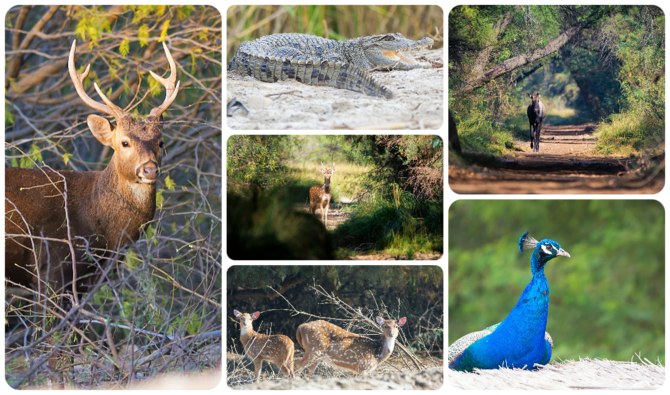
The Wildlife and Natural Reserves of Pakistan

juteralabs.com – Pakistan, with its diverse ecosystems ranging from arid deserts to lush forests and towering mountains, is home to a remarkable array of wildlife. The country’s natural reserves and national parks protect these diverse habitats, offering a sanctuary for numerous species and a haven for nature enthusiasts. This article explores the rich wildlife and stunning natural reserves of Pakistan.

The Majestic Himalayas and the Karakoram Range

The northern regions of Pakistan boast the majestic Himalayas and the Karakoram Range, which provide a critical habitat for some of the world’s most elusive and endangered species. The snow leopard, a symbol of the country’s rich biodiversity, roams these high-altitude areas. The Deosai National Park, known as the “Land of Giants,” is home to the Himalayan brown bear, ibex, and golden marmots, offering a unique wildlife experience.

The Diverse Landscapes of the Indus Delta

The Indus Delta, located in the southern part of Pakistan, is a vital ecosystem that supports a wide variety of flora and fauna. The mangrove forests of the Indus Delta serve as breeding grounds for fish and shrimp and are home to diverse bird species. The Indus River Dolphin, one of the world’s rarest freshwater dolphins, can be found in this region, highlighting the delta’s ecological importance.

The Rich Biodiversity of the Cholistan Desert

The Cholistan Desert, stretching across the southeastern part of Pakistan, is a unique landscape that supports a surprising variety of wildlife. The desert is home to species such as the Indian gazelle (chinkara), desert fox, and a wide range of reptiles and birds. The Lal Suhanra National Park, located on the edge of the desert, is a protected area that conserves this unique ecosystem and its inhabitants.

Protecting Endangered Species in the Margalla Hills

The Margalla Hills National Park, located near Islamabad, is a sanctuary for wildlife and a popular destination for nature lovers. The park’s diverse habitats support species such as the Indian leopard, barking deer, and a variety of bird species. Conservation efforts in the park focus on protecting these species and maintaining the ecological balance of the region.

The Marine Life of Pakistan’s Coastal Areas

Pakistan’s coastline, stretching along the Arabian Sea, is rich in marine biodiversity. The Astola Island, Pakistan’s first marine protected area, provides a critical habitat for sea turtles, including the endangered green turtle and olive ridley turtle. The coastal waters are also home to a variety of fish, dolphins, and coral reefs, making it a fascinating destination for marine exploration.

Conclusion

The wildlife and natural reserves of Pakistan offer a glimpse into the country’s rich biodiversity and the efforts to protect it. From the towering peaks of the north to the coastal waters of the south, Pakistan’s diverse ecosystems are home to a wide variety of species, some of which are found nowhere else on Earth. These natural reserves not only preserve the country’s ecological heritage but also provide opportunities for ecotourism and education, fostering a deeper appreciation for the natural world.

A Guide to Local Wildlife: The Maldives

juteralabs.com – The Maldives, a tropical paradise in the Indian Ocean, is renowned for its stunning beaches, luxurious resorts, and vibrant marine life. However, beyond the idyllic landscapes, the archipelago is home to a diverse array of wildlife that inhabits both its terrestrial and aquatic environments. This guide explores the fascinating local wildlife of the Maldives, offering insights into the creatures that call this paradise home.

Marine Life

Coral Reefs

The Maldives boasts one of the largest coral reef systems in the world, providing a habitat for countless marine species. These reefs are not only crucial for biodiversity but also play a vital role in protecting the islands from erosion.

Fish Species

The waters of the Maldives are teeming with a variety of fish species, ranging from the colorful clownfish and parrotfish to the majestic manta rays and whale sharks. Snorkeling and diving are excellent ways to observe these creatures in their natural habitat.

Marine Mammals

Dolphins are a common sight in the Maldives, with several species, including the spinner and bottlenose dolphins, frequently seen leaping out of the water. Additionally, the Maldives is one of the few places where you can witness the elusive dugong, a marine mammal that grazes on seagrass.

Terrestrial Wildlife

Birds

The Maldives is a haven for birdwatchers, with numerous species of seabirds, shorebirds, and migratory birds. The Maldivian white-throated kingfisher, the Maldivian scops owl, and the red-footed booby are among the notable avian residents.

Reptiles

Terrestrial wildlife in the Maldives includes several species of reptiles, such as skinks, geckos, and the Maldivian blind snake. These creatures are well-adapted to the island environment and can often be seen basking in the sun or scurrying among the vegetation.

Insects and Arachnids

The Maldives is also home to a variety of insects and arachnids, including butterflies, dragonflies, and spiders. These small creatures play important roles in the ecosystem, contributing to pollination and controlling insect populations.

Conservation Efforts

Protected Areas

The Maldivian government has established several marine protected areas to conserve the country’s rich biodiversity. These areas are critical for the protection of endangered species and the preservation of coral reefs.

Marine Conservation Projects

Various organizations and resorts in the Maldives are involved in marine conservation projects, such as coral reef restoration, turtle nesting protection, and marine life research. These initiatives are vital for the sustainable management of the local wildlife.

Eco-Tourism

Eco-tourism in the Maldives is on the rise, with many visitors seeking responsible travel experiences that support conservation efforts. This includes participating in reef cleaning activities, visiting marine research centers, and engaging in sustainable travel practices.

Conclusion

The Maldives is a wildlife lover’s paradise, offering a unique opportunity to encounter a wide range of marine and terrestrial species. From the vibrant coral reefs to the elusive dugongs, the archipelago’s biodiversity is a testament to its natural beauty. As visitors and locals alike work together to protect and preserve this precious ecosystem, the Maldives continues to be a sanctuary for wildlife and a destination of unparalleled natural wonder.